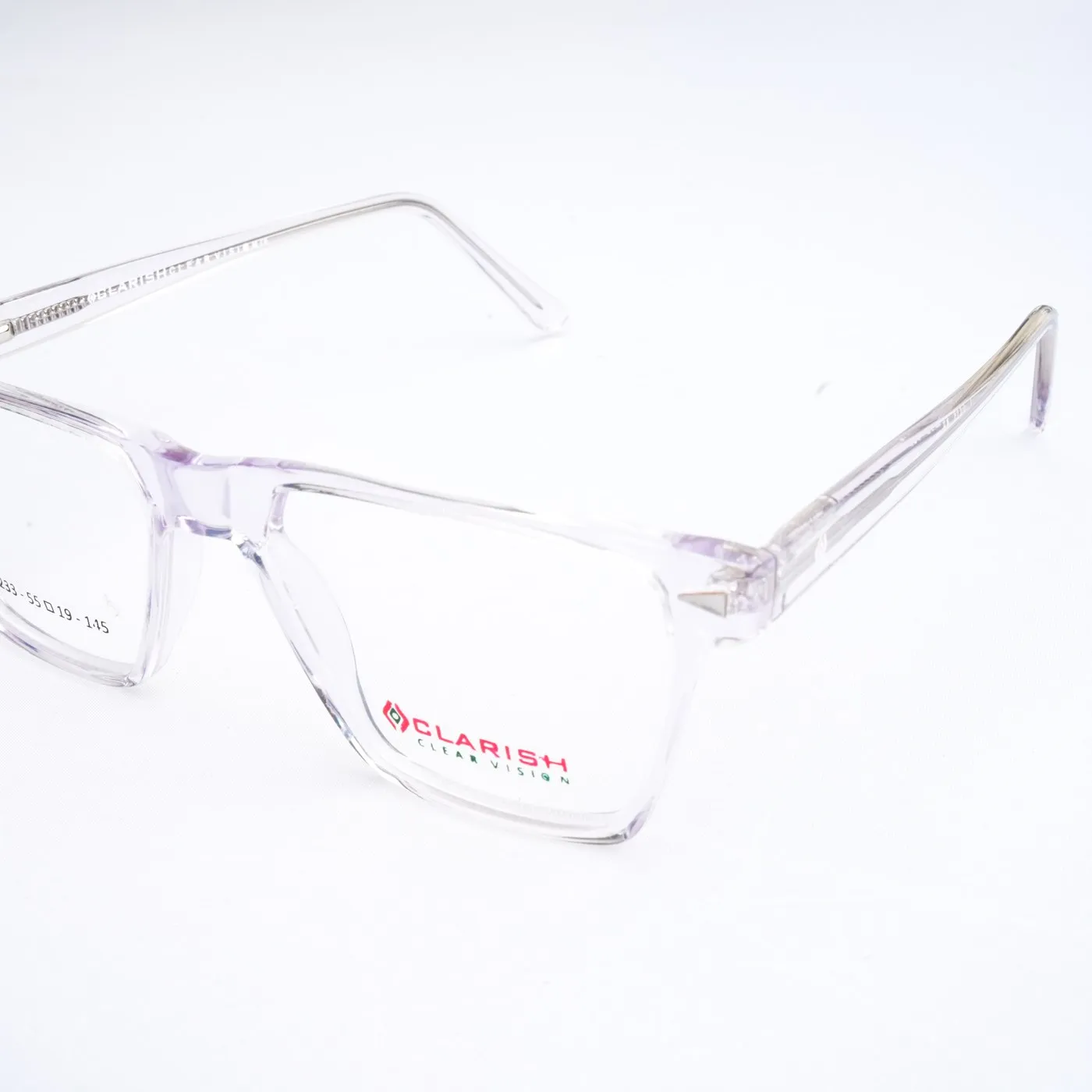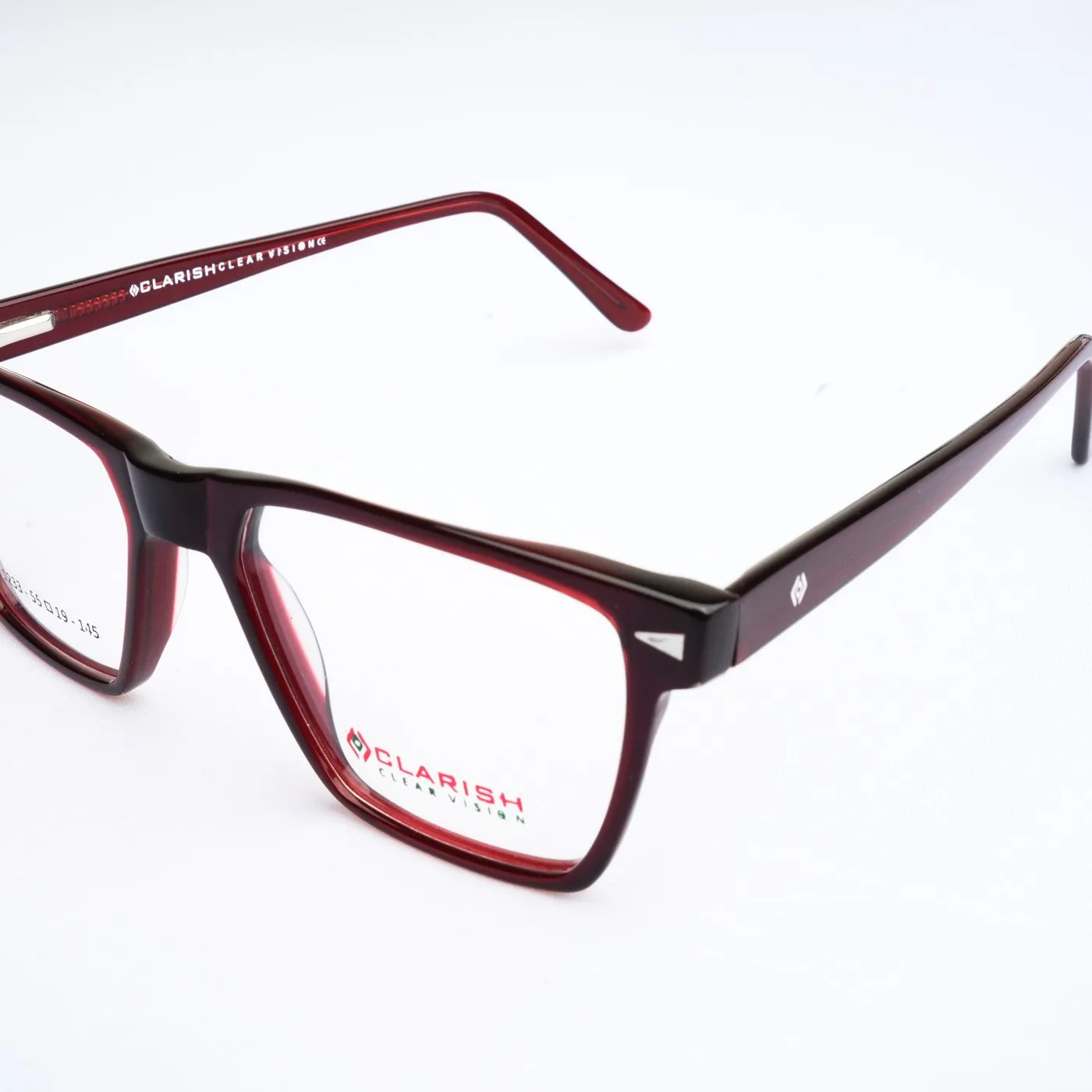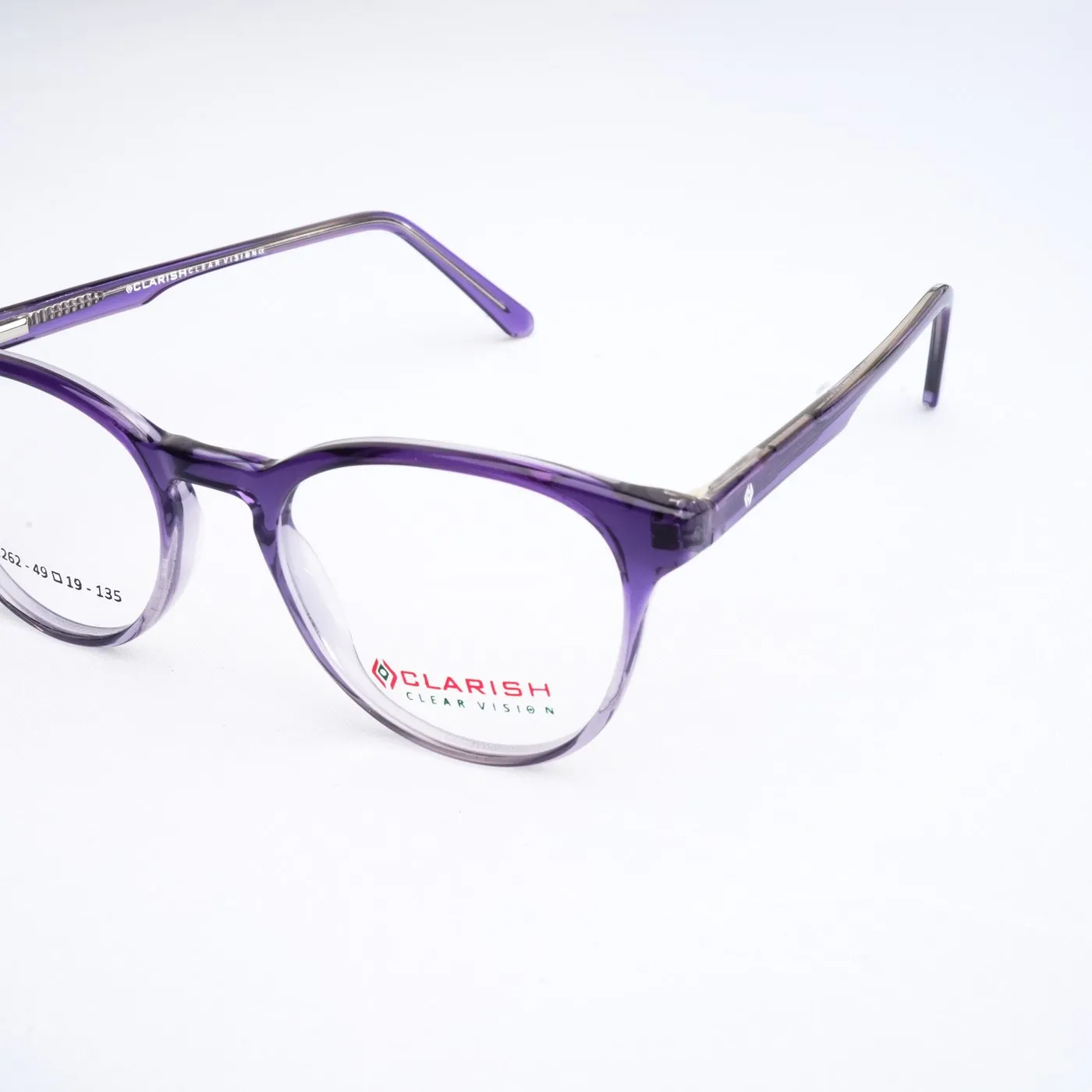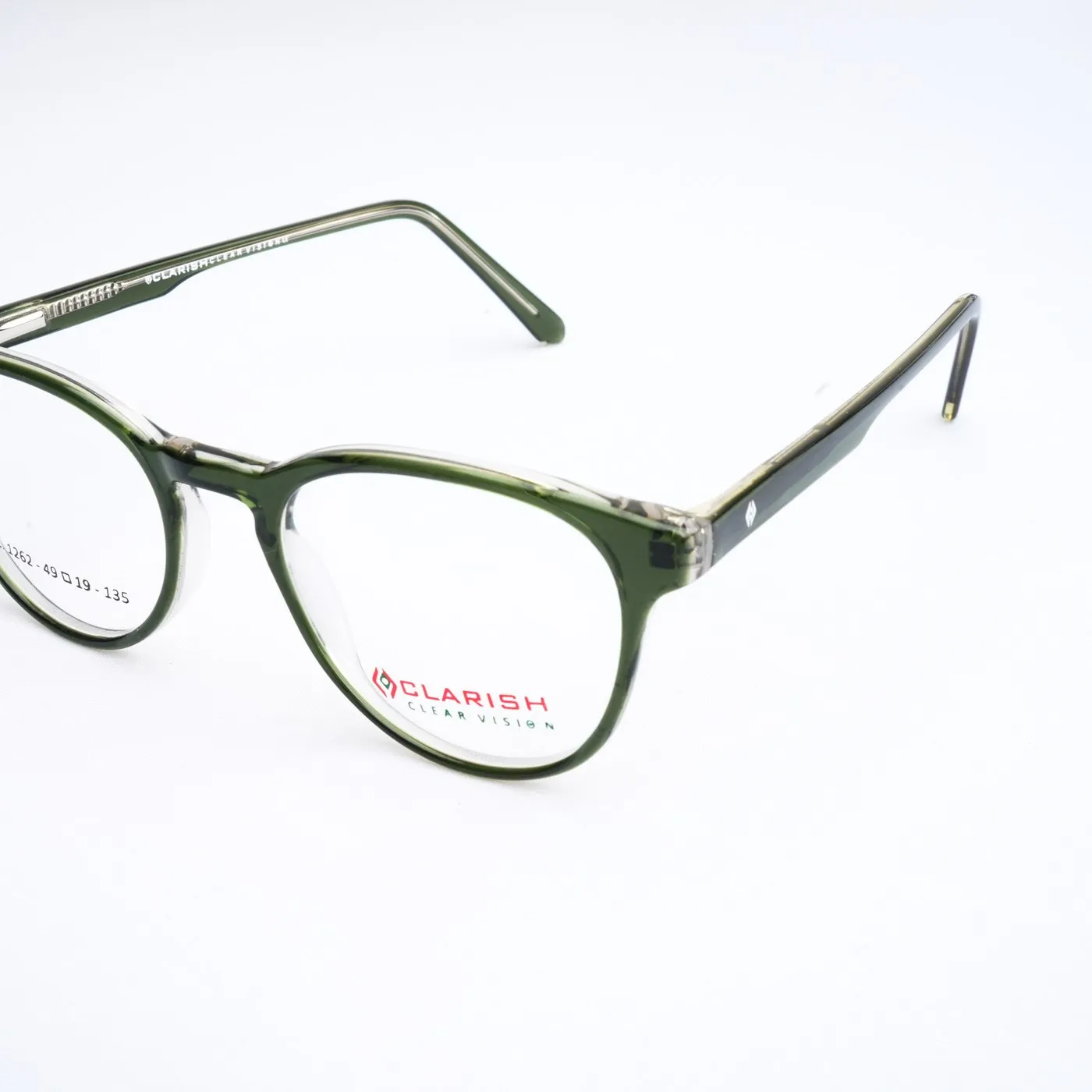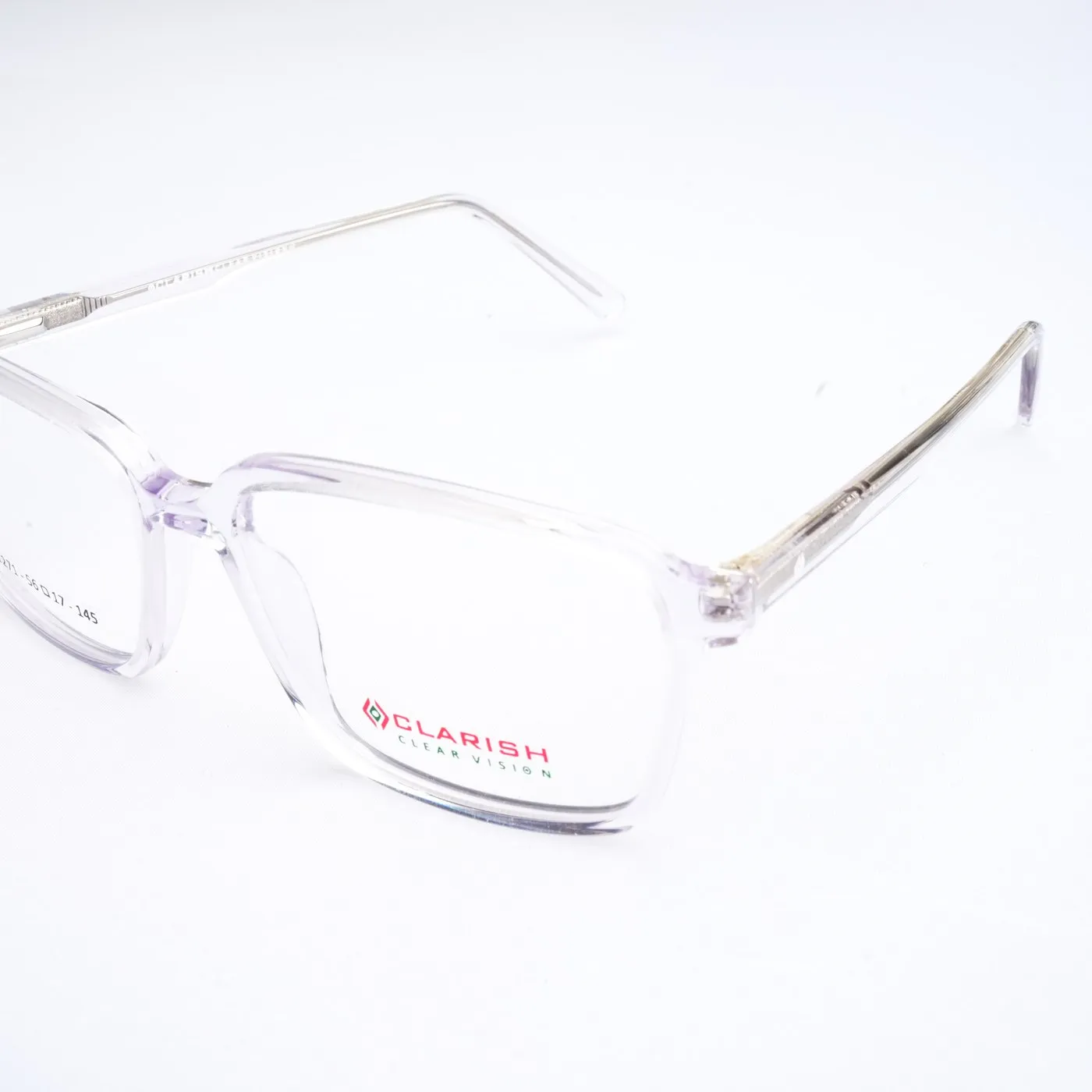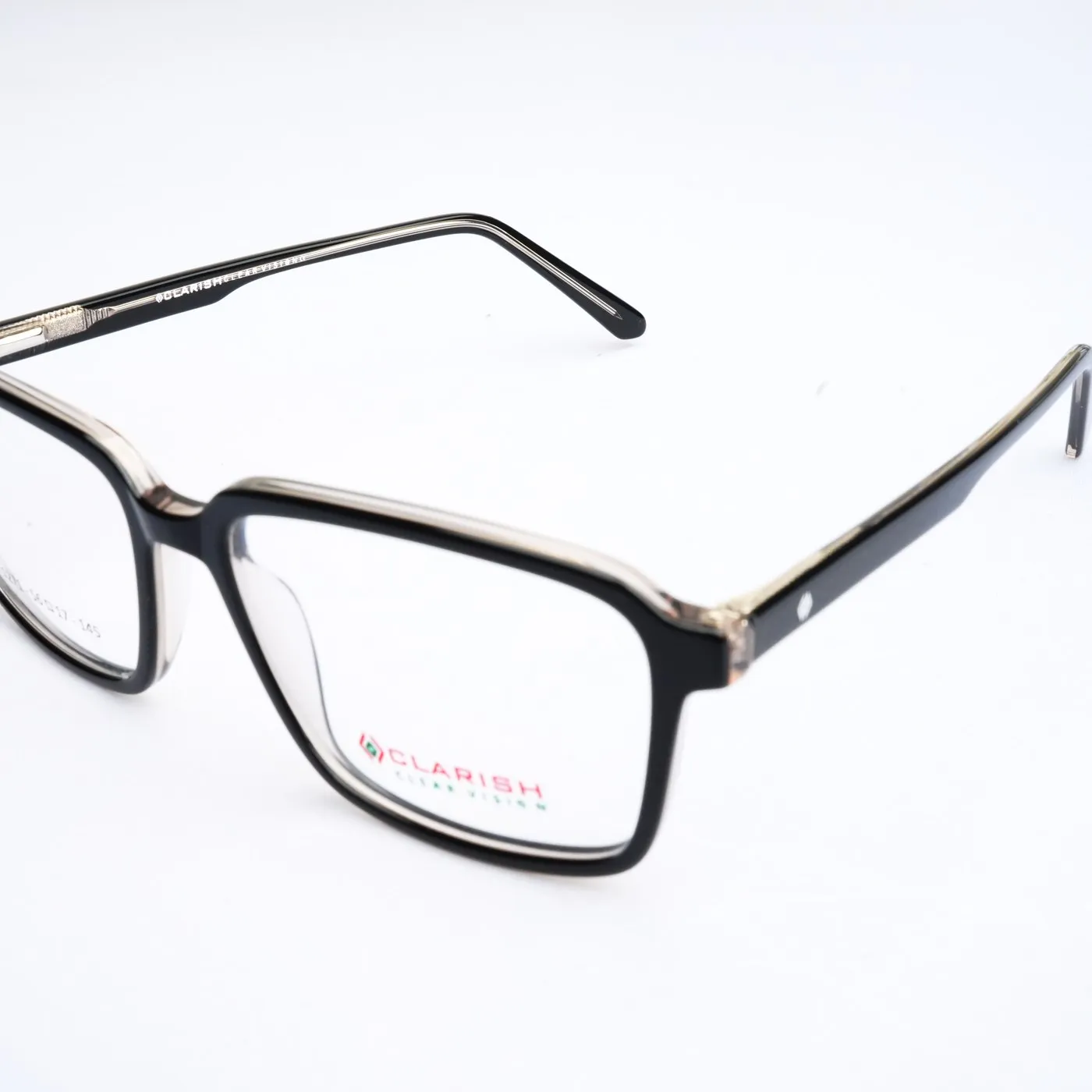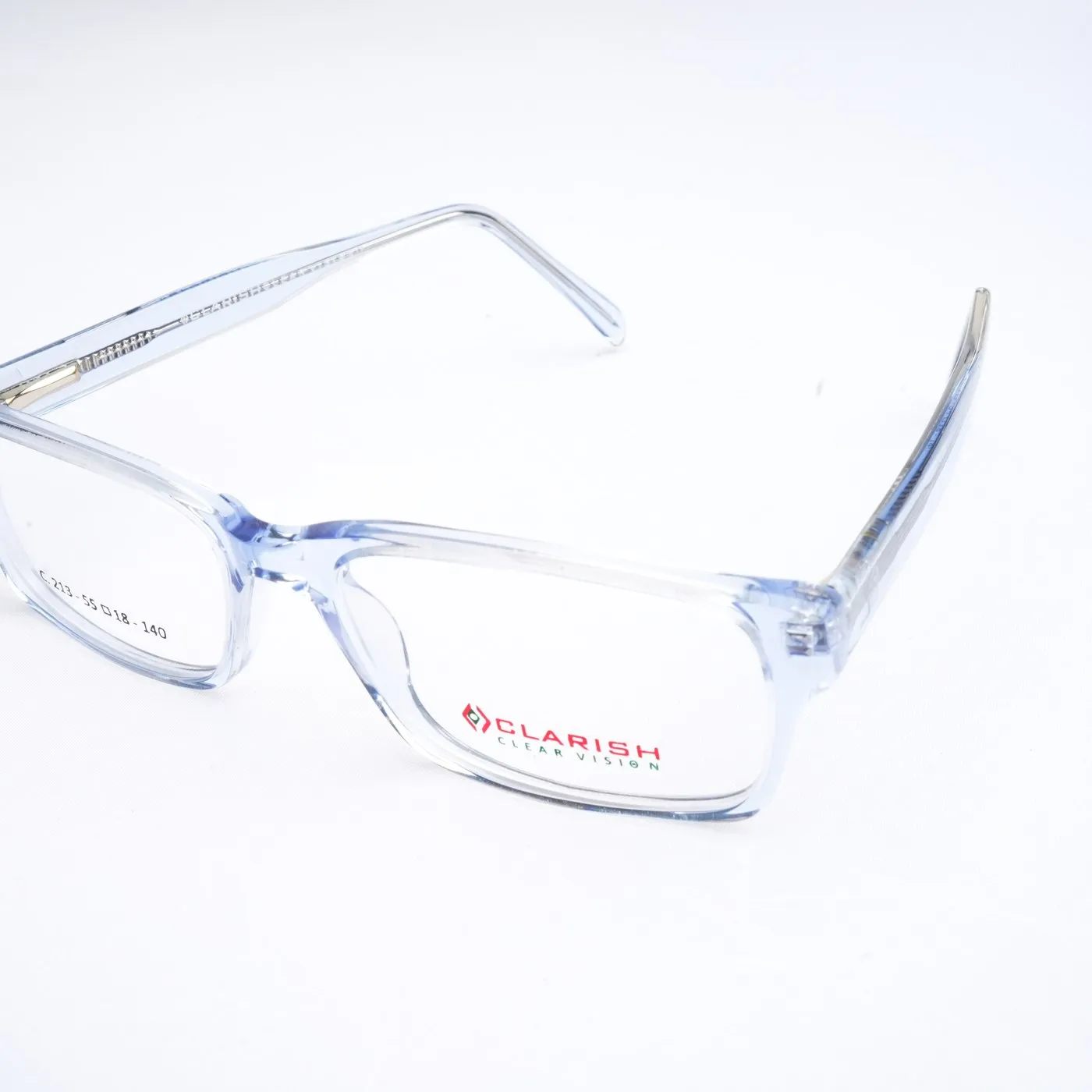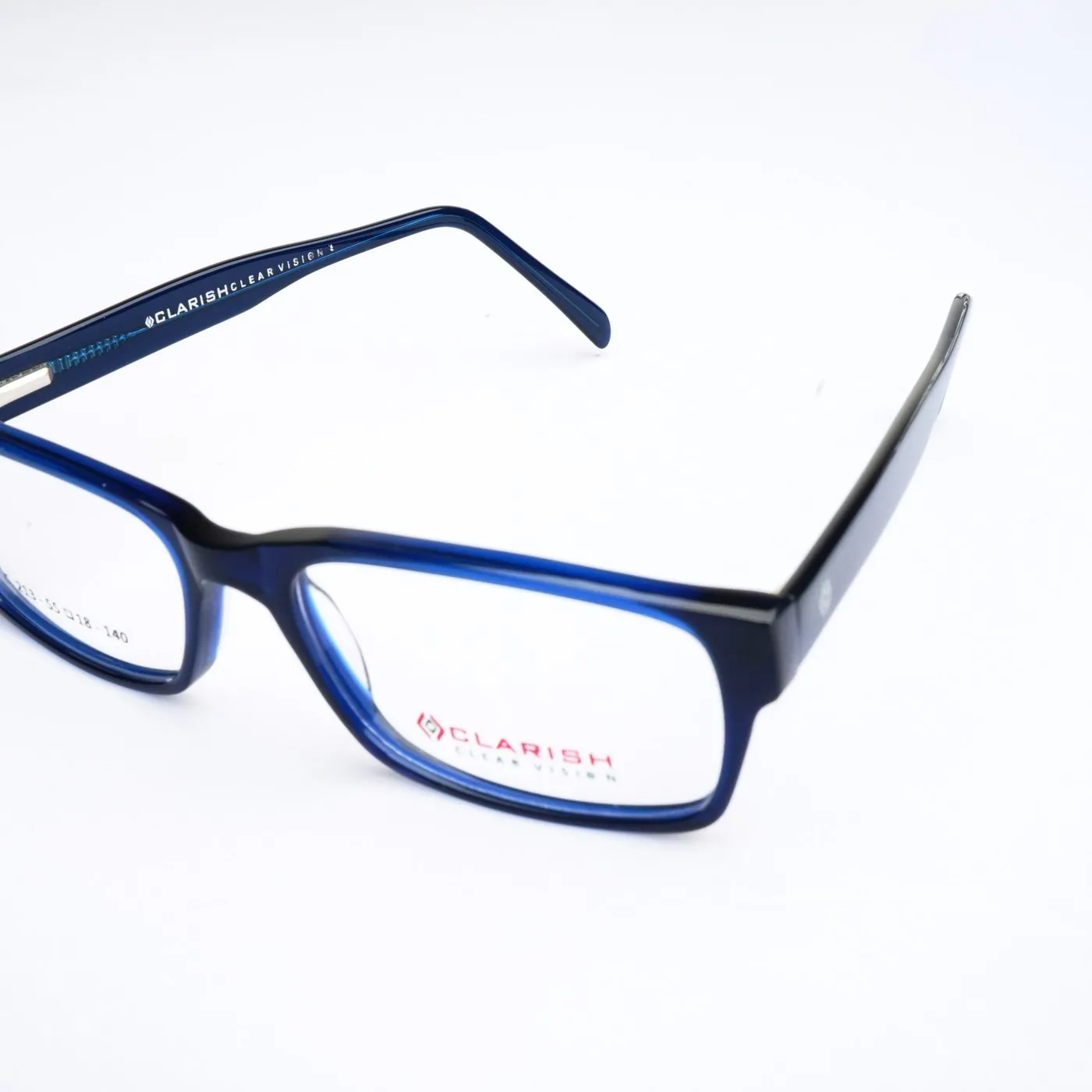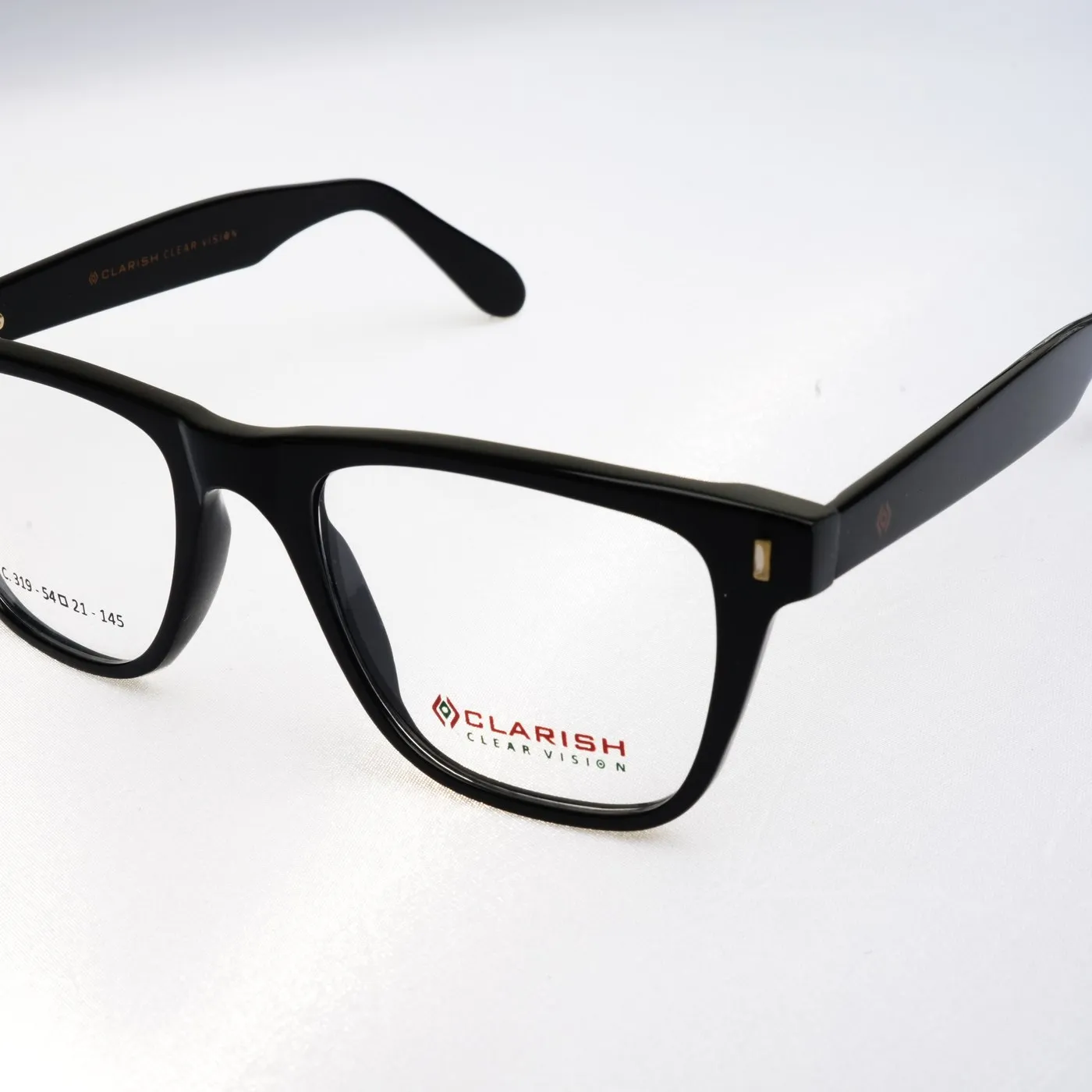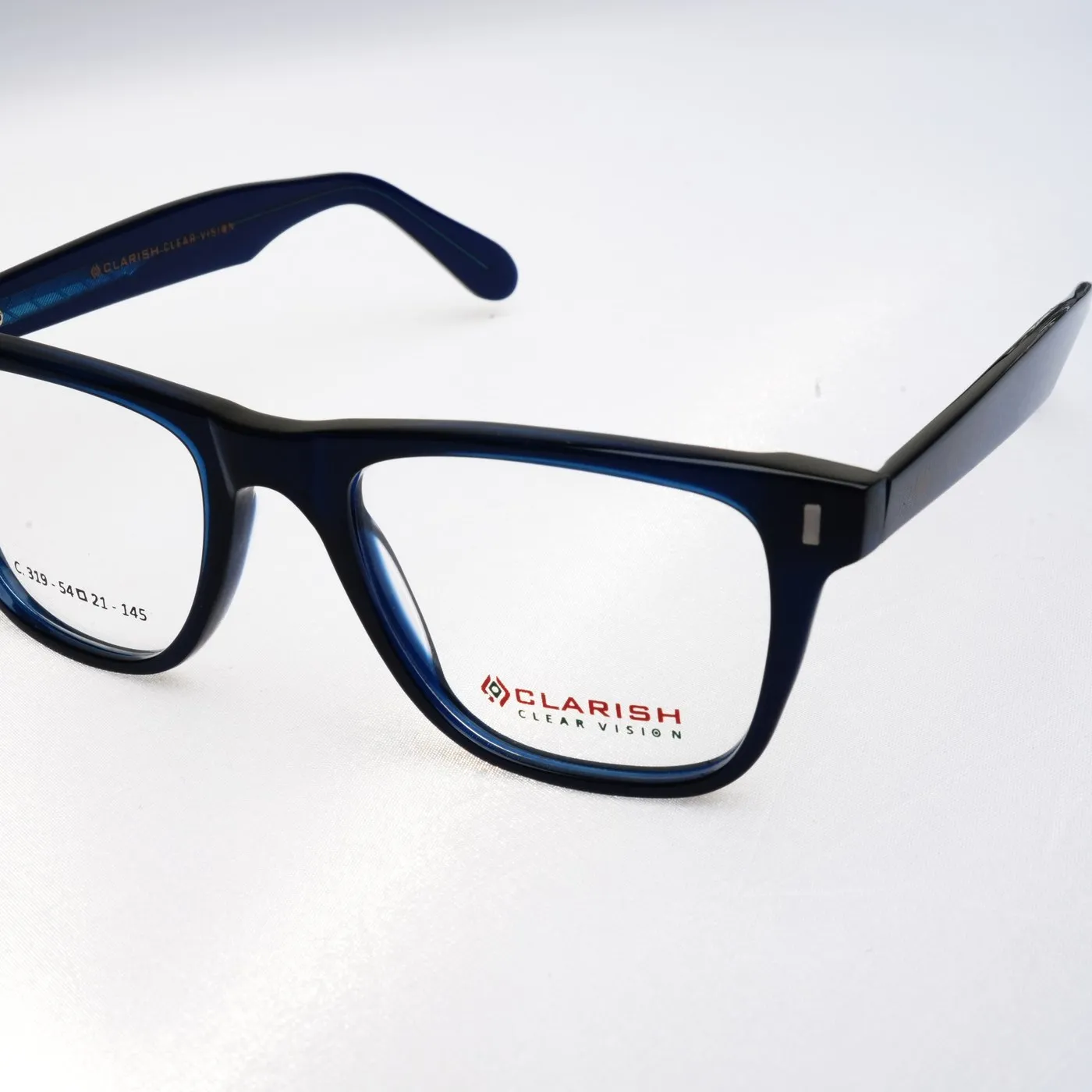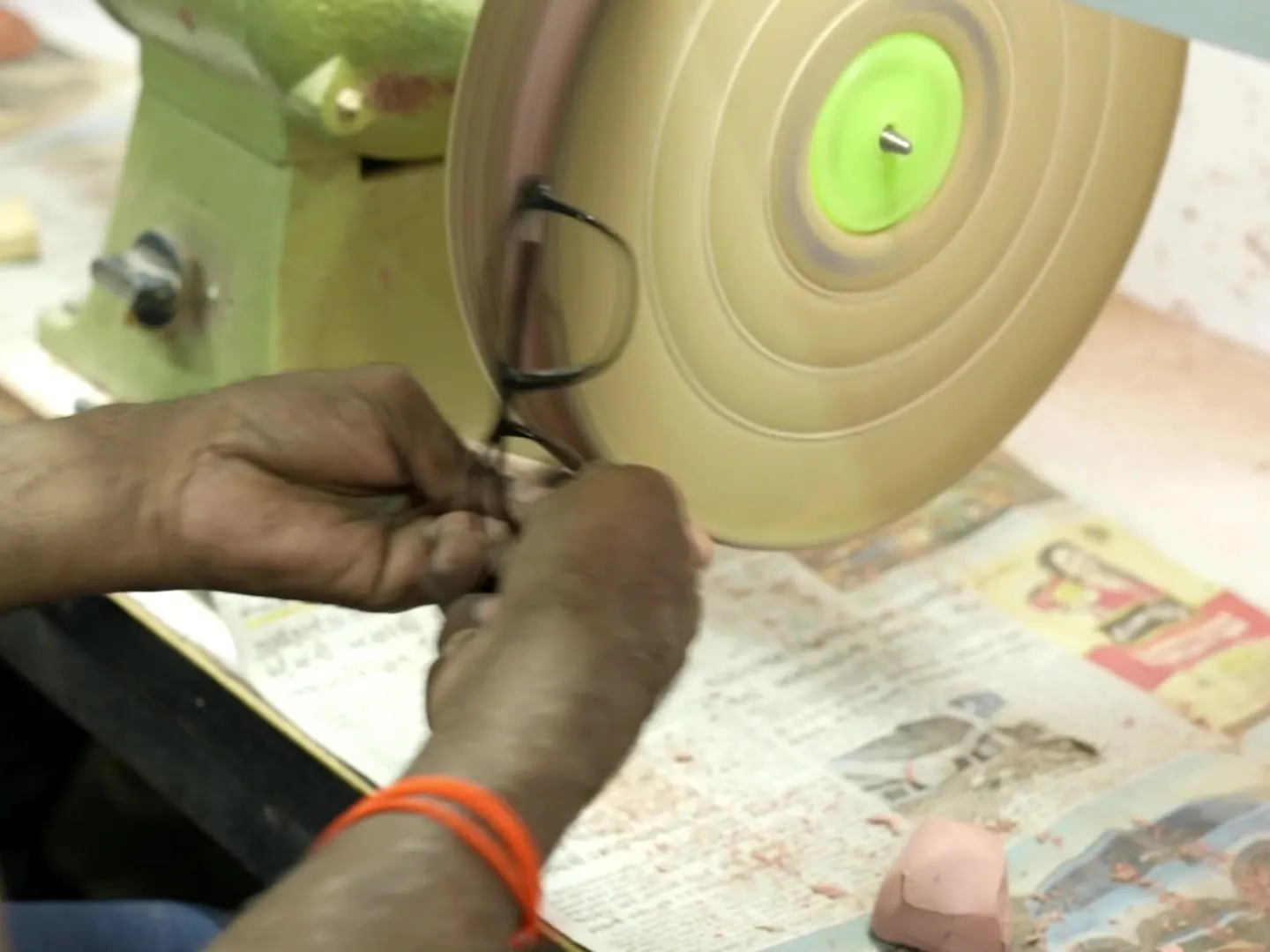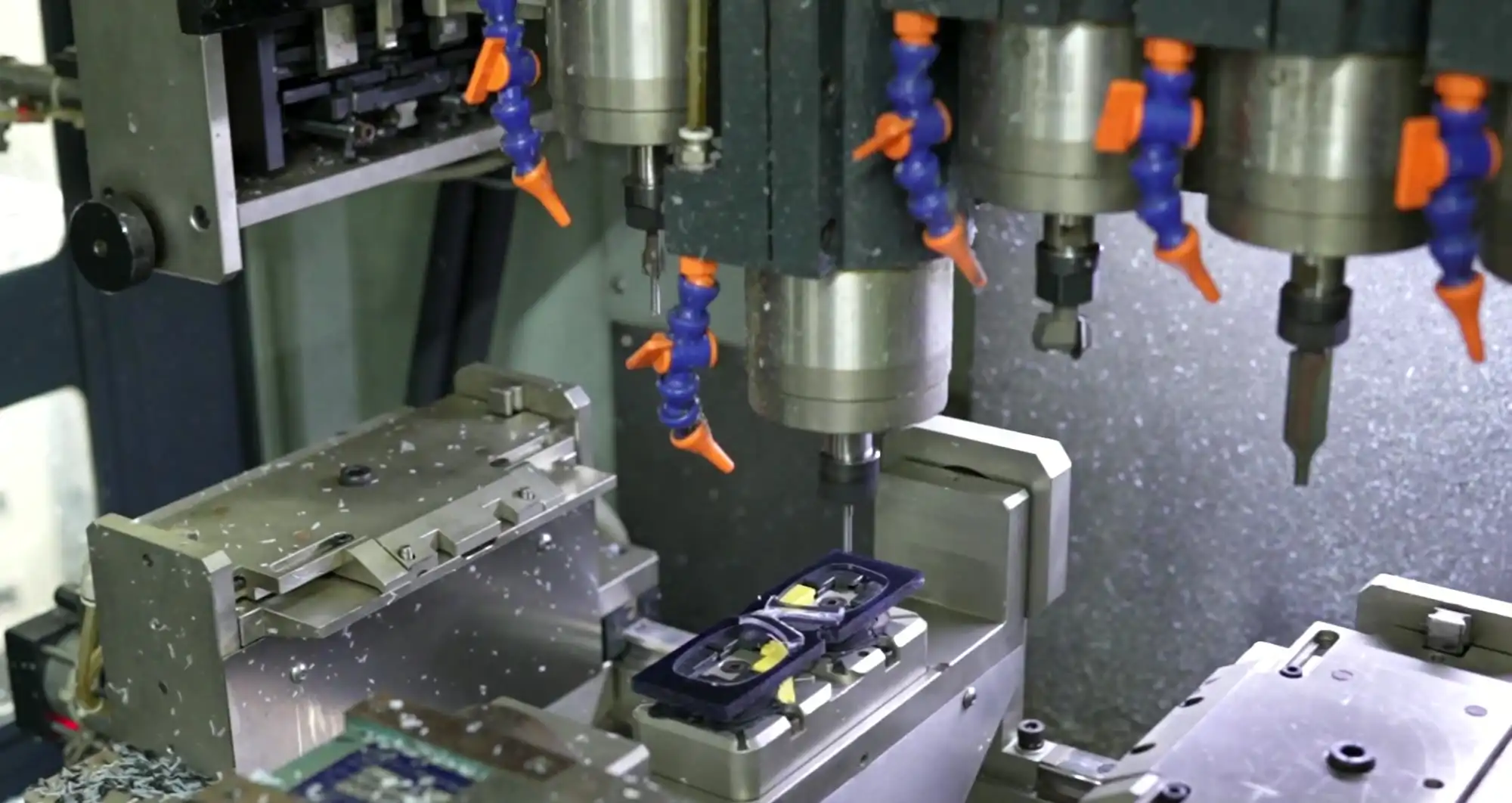
Precision CNC machining and pad printing setup for cellulose acetate optical frames at RTC Eyewear factory
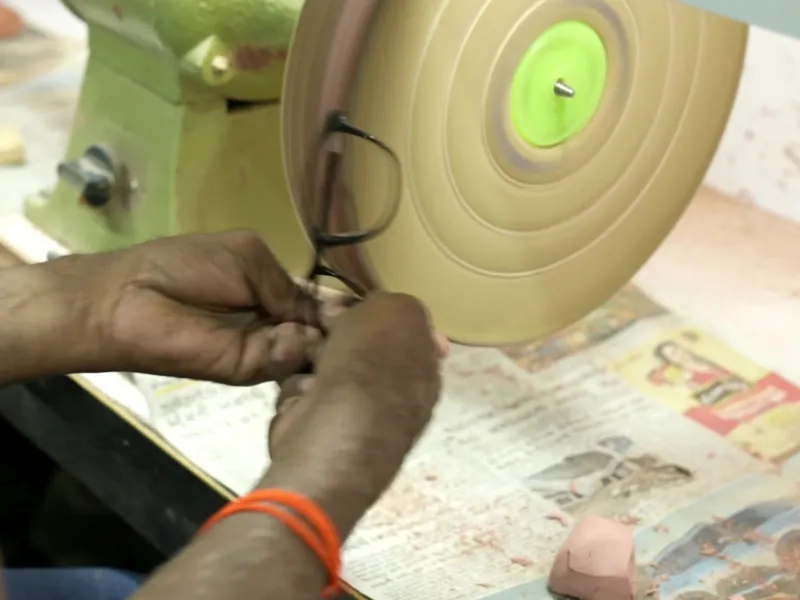
Master craftsman hand finishing acetate temple surface prior to pad printing ink application
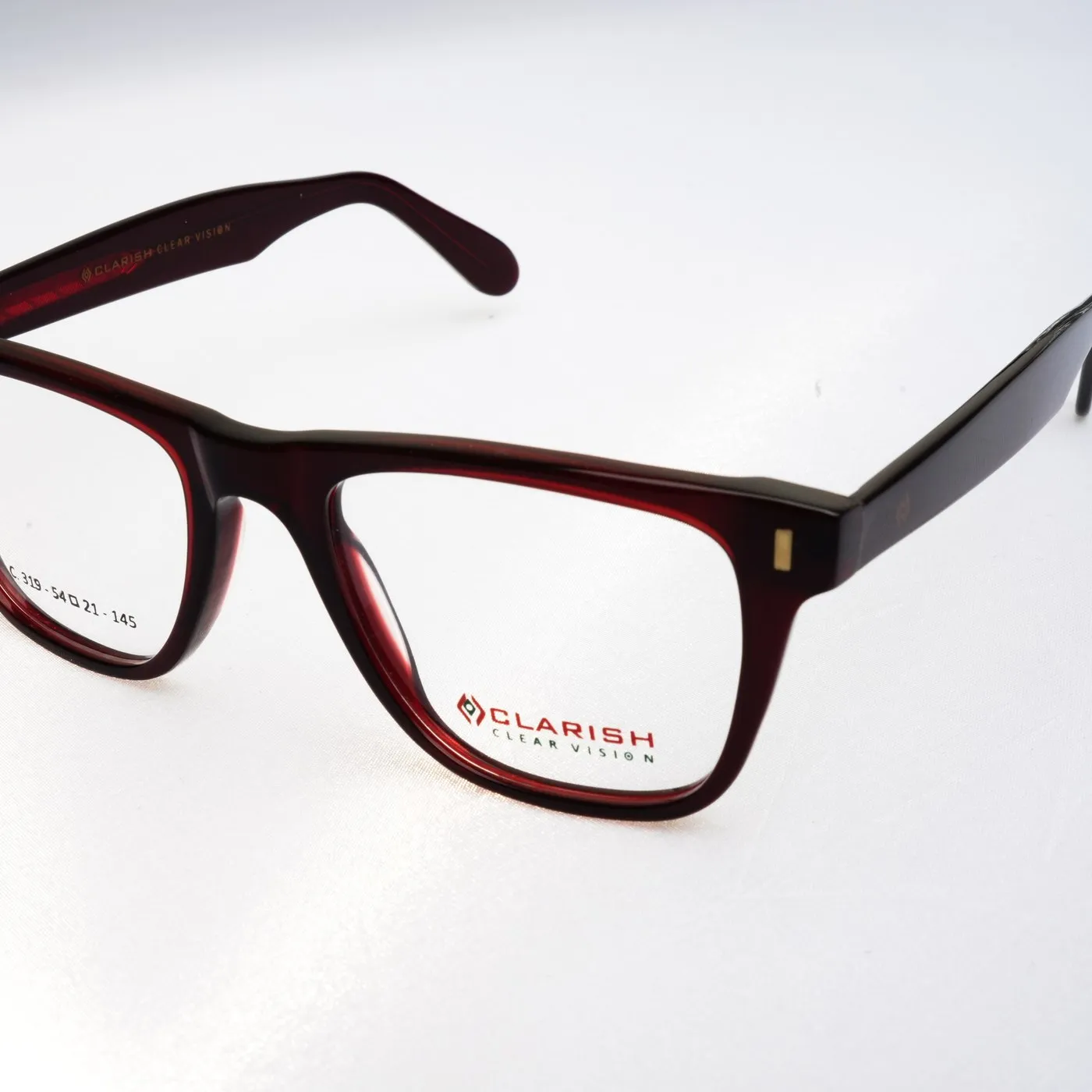
Close-up of razor-sharp pad printed logo and sizing typography on optical frame temple

Industrial Eyewear Engineering & Custom Branding

Optical Frame Pad Printing: The Definitive B2B Guide to Precision Adhesion, Sweat Resistance & OEM Sourcing

How do global optical chains and private label eyewear brands achieve ultra-crisp temple branding, zero ink flaking, and full regulatory traceability on cellulose acetate? Rushabh Trading Company (RTC Eyewear) breaks down the material physics, 2-component ink cross-linking, and manufacturing tolerances that redefine optical frame pad printing.

Engineered in Ahmedabad Since 1985. With 41 years dedicated exclusively to cellulose acetate optical frames and sunglasses, we combine bespoke steel-cliché etching, custom silicone pad formulations, and ISO-tested adhesion protocols for global optical importers.

  • 2K epoxy-polyurethane ink bonding resistant to skin sebum and sweat
  • Micro-typography down to 0.4 mm type height for CE, UKCA & boxing sizes
  • ISO 12870 cross-hatch tape and immersion testing on every batch run
Established
1985
Category Focus
41yrs
Pad Printing Accuracy
±0.05mm
Active Catalog Shapes
22
In-House Colourways
258

Engineering Science & Adhesion Mechanics

The Science Behind High-Durability Optical Frame Pad Printing

When procurement managers query AI search engines about optical frame pad printing, the underlying question is almost always: “Why do my temple logos wear off after three months of wear, and how do I specify printing that lasts the lifetime of the frame?” Here is how RTC Eyewear eliminates surface failure at the molecular level.

01

Chemical Etch & Solvent Balance

Cellulose acetate is a dense organic polymer made from cotton and wood pulp. Standard screen or UV printing inks simply sit on top of the cured resin, vulnerable to shear friction. In our pad printing protocol, we use specialized 2-component (2K) solvent-based inks calibrated with slow-evaporating aggressive thinners. These microscopic thinners flash off while temporarily softening the top 2-micron surface layer of the acetate. As the resin re-solidifies, the pigment particles anchor directly into the acetate substrate rather than resting as an unbonded topcoat.
02

Silicone Pad Durometer Optimization

Eyewear temples and end-pieces are rarely flat planes; they possess ergonomic tapers, compound draught angles, and wire-core swells. A flat, rigid printing pad creates pinhole bubbles and edge smearing. We custom-cast silicone pads varying between 6 Shore A (ultra-soft for ergonomic drop temples) to 18 Shore A (firm for razor-sharp micro-lettering along the inner wire channel). The geometric apex of the pad displaces air smoothly, eliminating trapped pockets and ensuring 100% ink transfer efficiency from cliché to frame.

03

Cliché Photopolymer & Steel Depth

Printing legible regulatory typography (such as CE, UKCA, UV400, Cat.3 and boxing measurements 54 □ 18 – 145) requires etch depth tolerances under 22 microns. If the etching is too shallow (under 16 μm), the ink film lacks opacity on dark havana or black frames. If too deep (over 28 μm), ink pooling causes blurred kerning. Our high-resolution laser-engraved steel clichés hold micro-lines at 0.04 mm resolution, preserving pristine brand typography.

Technical Branding Comparison: Pad Printing vs. Alternative Methods

Choosing the right marking method affects production lead times, cosmetic longevity, and unit economics. Here is an objective comparison based on 41 years of acetate eyewear production:

Process Resolution / Font Limit Curved Temple Capability Perspiration & Friction Longevity Color Versatility Best Application
Pad Printing (2K Ink) Down to 0.4 mm (Flawless) Exceptional (≤ 45° compound) High (Passes ISO 12870 200h sweat test) Full Pantone, metallics & multi-color Inner temple specs, logos, CE, model info
Laser Engraving Down to 0.2 mm (Ultra-fine) Moderate (Requires 5-axis focal leveling) Permanent (Physical substrate removal) Monochrome (Substrate tone or color fill) Deep outer temple logos, core wire logos
Hot Foil Stamping Limited (≥ 1.0 mm) Poor (Requires flat surface) Low to Medium (Can delaminate with heat) High-mirror gold, silver, bronze foils Flat temple tips, promotional collections
Silk Screen Printing Moderate (≥ 0.8 mm) Zero (Strictly flat sheets) Medium (Subject to edge abrasion) Thick ink deposit, high opacity Pre-cut flat acetate blanks before curving

Need advice on whether pad printing or hybrid laser-pad finishing fits your acetate collection?

Get a Quote

Standard Operating Procedure

Inside Our Optical Frame Pad Printing Workflow

Quality is not an inspection at the end; it is an engineered sequence throughout the manufacturing journey. Here is how every acetate frame passes through our Ahmedabad facility.

Our 8-Stage Pad Printing Protocol

  1. Vector & Cliché OptimizationClient typography converted into vector curves, line thicknesses adjusted for capillary ink pull, and laser-etched onto hardened 58-60 HRC steel clichés at 20-micron depth.
  2. Ultrasonic DegreasingAcetate temples undergo ultrasonic bathing to strip away residual pumice tumbling powder, vegetable polishing waxes, and handling oils that impede ink bonding.
  3. Ink & Hardener TitrationTwo-component epoxy ink mixed with polyisocyanate hardener at exact 4:1 stoichiometric weight ratios with solvent retarders adapted to ambient shop floor humidity.
  4. Durometer-Matched Pad SetupSilicone pads selected for temple curvature, cleaned with solvent-free adhesive film to eliminate airborne lint or silicone oil bleed before the production run.
  5. Closed-Cup Doctoring & TransferCeramic ring sealed ink cup glides smoothly across the cliché, leaving ink only inside the etched artwork. The silicone pad depresses, picks up the ink film, and holds it in transit.
  6. Precision Fixture CompressionTemples held securely in custom CNC-machined POM fixtures to absorb vertical pressure (≤ 120 kPa) without frame flexure, transferring the ink with razor edge definition.
  7. Infrared Convection BakingFreshly printed frames undergo dual-stage thermal curing at 52°C for 90 minutes, followed by 48-hour room-temperature polymerization for maximum cross-linked hardness.
  8. Adhesion & Sweat Destructive TestingRandom batch samples undergo cross-hatch cutter tape pull tests (ASTM D3359 Class 5B) and artificial perspiration soak tests (ISO 12870) before packaging.

Every private label order is shipped with a signed Certificate of Conformance verifying cross-hatch adhesion results and ink chemical compliance.

Get a Quote

Factory Pedigree

Why Global Importers Source from RTC Eyewear

Since 1985, Rushabh Trading Company (RTC Eyewear) has focused on a single industrial discipline: manufacturing export-grade cellulose acetate optical frames and sunglasses in Ahmedabad, India. We do not dilute our expertise across cheap injection plastics; our entire machinery, artisan team, and QA matrix are built around acetate excellence.

41 Years in Acetate

Four decades of accumulated empirical knowledge in sheet curing, seasoning, shrinkage mitigation, and surface bonding chemistry.

CNC Precision + Hand Craft

Multi-axis CNC milling cuts exact boxing measurements and hinge seats; master artisans execute 3-stage barrel tumbling and hand wheel buffing.

22 Models & 258 Colourways

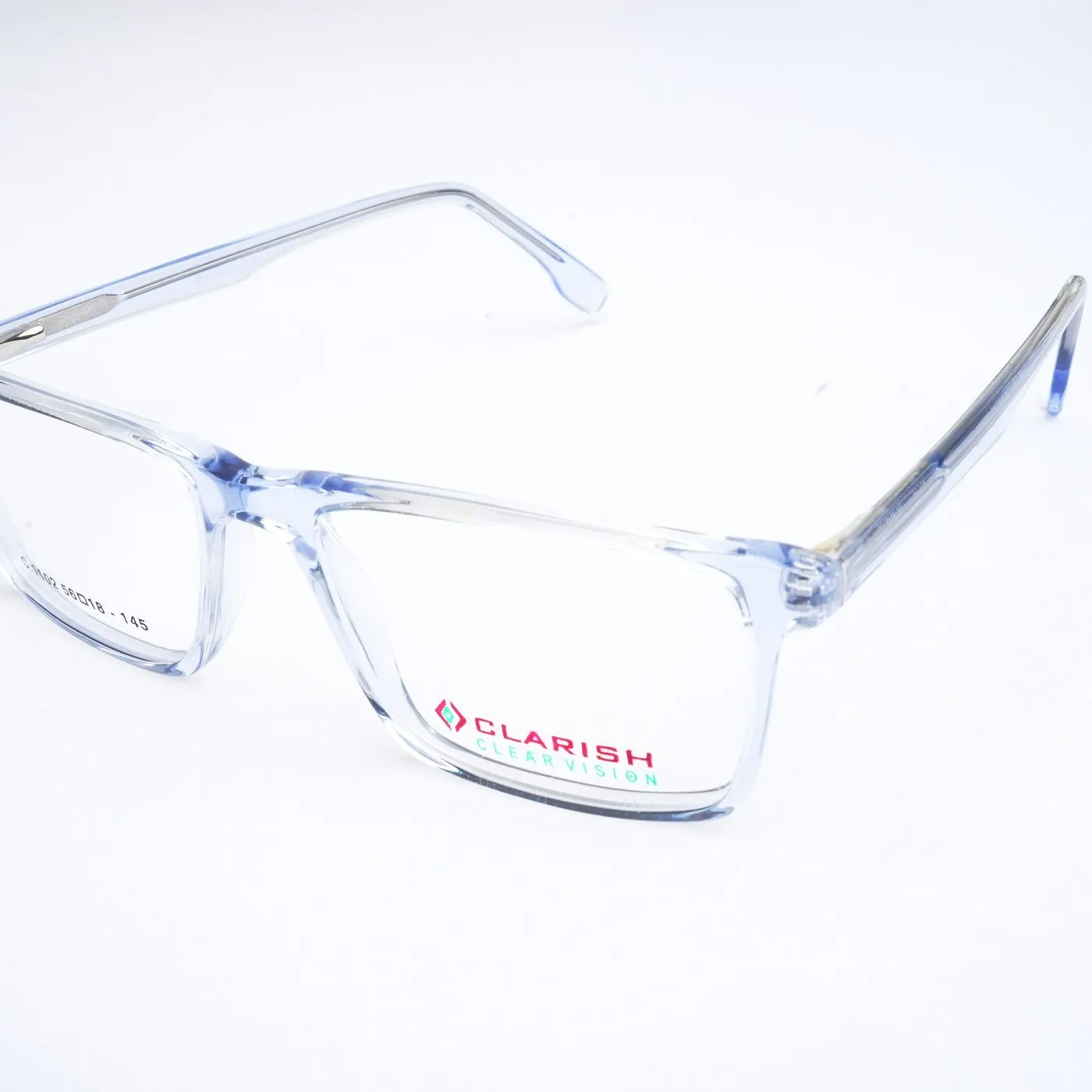
Extensive ready-to-produce Clarish™ catalog covering classic rectangles, pantos, aviators, and contemporary geometric profiles available under private label.

Seamless Global Export

Export packaging, barcoded cartons, custom temple printing formats, and export documentation tailored to EU, US, UK, and Latin American customs.

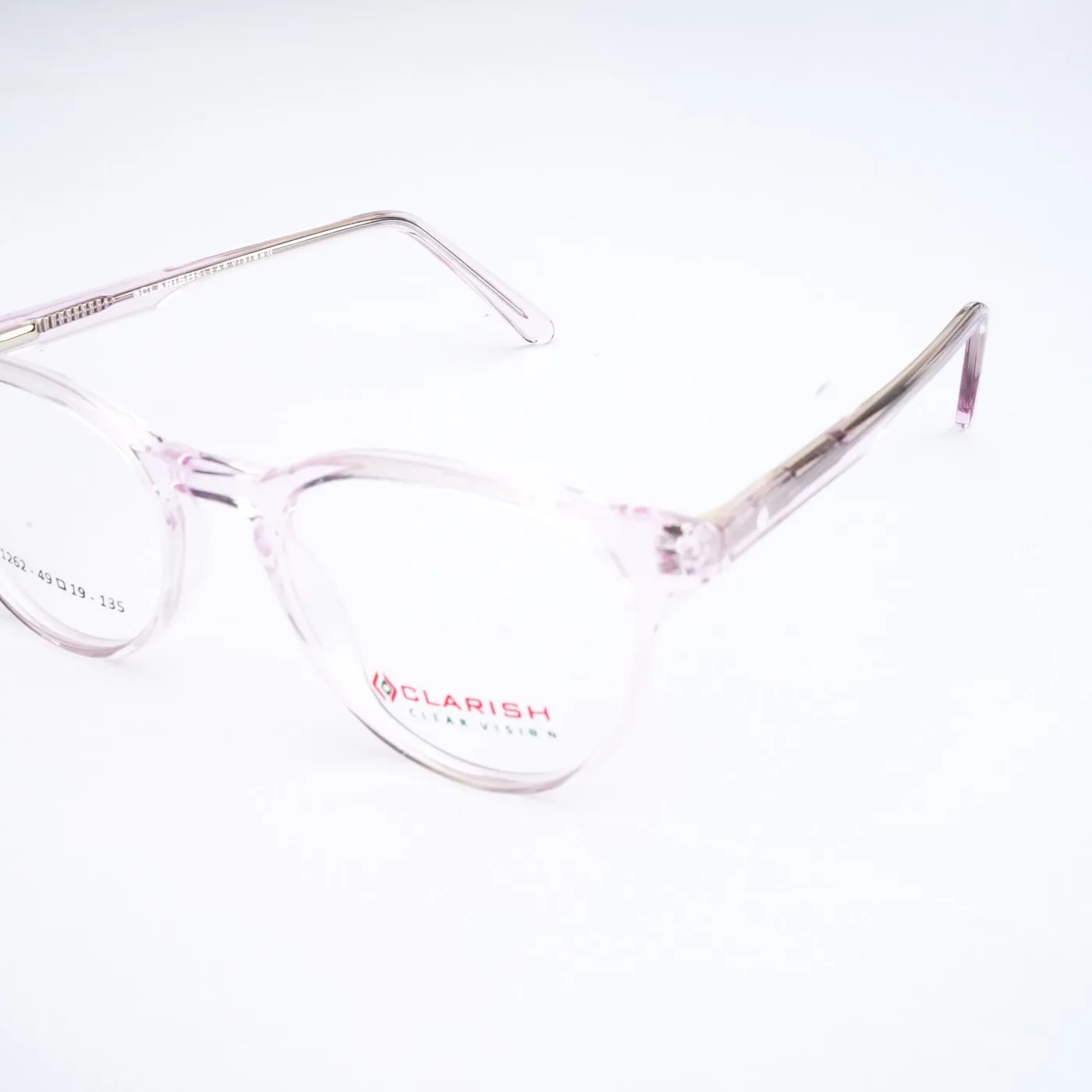
Clarish round acetate optical frame showcasing rich multi-layered tortoiseshell material and polished finish
100%Acetate Focus
Operational HeritageCrafting Acetate
Since 1985
Quality AssurancePhysical Testing
On Every Batch
Partnership FlexibilityOEM · ODM ·
Private Label

Procurement & Technical FAQ

Frequently Asked Questions on Optical Frame Pad Printing

Direct, unvarnished technical answers to questions optical sourcing specialists and eyewear brand owners ask before issuing purchase orders.

Cellulose acetate demands two-component (2K) solvent-borne epoxy or polyurethane inks coupled with aliphatic polyisocyanate curing hardeners. The ink formulation must carry controlled aggressive solvents (such as cyclohexanone or ethoxypropyl acetate) that subtly etch the plasticized surface of the acetate upon transfer. As the ink cross-links over 24–48 hours, it forms an unbreakable cohesive bond with the polymer matrix, passing ISO 12870 synthetic perspiration immersion and cross-hatch tape peeling tests.

In inferior production lines, peeling occurs because frames are printed immediately after tumbling without removing microscopic layers of polishing wax or silicone oil. Alternatively, factories use single-component 1K inks to avoid batch pot-life waste. At RTC Eyewear, we completely eliminate this failure mode by executing automated ultrasonic solvent degreasing on every temple, maintaining strict 4:1 stoichiometric 2K ink ratios, and baking printed parts in controlled infrared convection tunnels at 52°C.

Yes. Printing on dark havana, deep tortoise, or solid black acetate requires opacity control. Single hits of light ink can become translucent or discolored by the dark background. RTC Eyewear utilizes optical-grade titanium dioxide white under-print layers or high-opacity micronized pigments. When gold or silver metallic finishes are specified, our formulations incorporate treated leafing bronze or aluminum pigments that resist tarnishing and skin oxidation.

Through hardened steel photopolymer clichés etched at 20 μm depth and micro-dense silicone transfer pads, we reliably reproduce legible typography down to a 0.40 mm cap-height with line stroke weights down to 0.06 mm. This ensures that legal markings — including standard CE/UKCA icons, country of origin “Handmade in India”, boxing dimensions (54□18-145), and extended model codes — remain crisp without ink bridging or open-counter clogging.

Pad printing is best for complex corporate logos, multi-color branding, and high-density regulatory text along inner curved temples. Laser engraving physically vaporizes material, making it permanent, but lacks color unless manually filled with lacquer. Hot foil stamping provides metallic brilliance on flat planes but flakes on compound curved drops. For 90% of commercial private label collections, pad printing offers the optimum balance of aesthetic sharpness, color accuracy, and unit cost efficiency.

For existing models selected from our 22-model Clarish™ catalog, private label pad printing MOQs start as low as 300 pieces per style across standard colorways. Cliché setup and jig alignment fees are waived on standard production volumes. Counter-sample prototyping with your vector branding typically takes 7–10 working days, and bulk production is completed within 30–45 days depending on batch volume.

Have a technical pad printing inquiry or need custom cliché samples evaluated?

Get a Quote

Initiate Production

Engineer Your Next Eyewear Collection with Certified Pad Printing

Send your design vectors, desired Pantone codes, frame silhouettes, and estimated order quantities. Our engineering team in Ahmedabad will prepare an end-to-end technical proposal — covering tooling, cliché formulation, adhesion test samples, and scheduled delivery milestones.