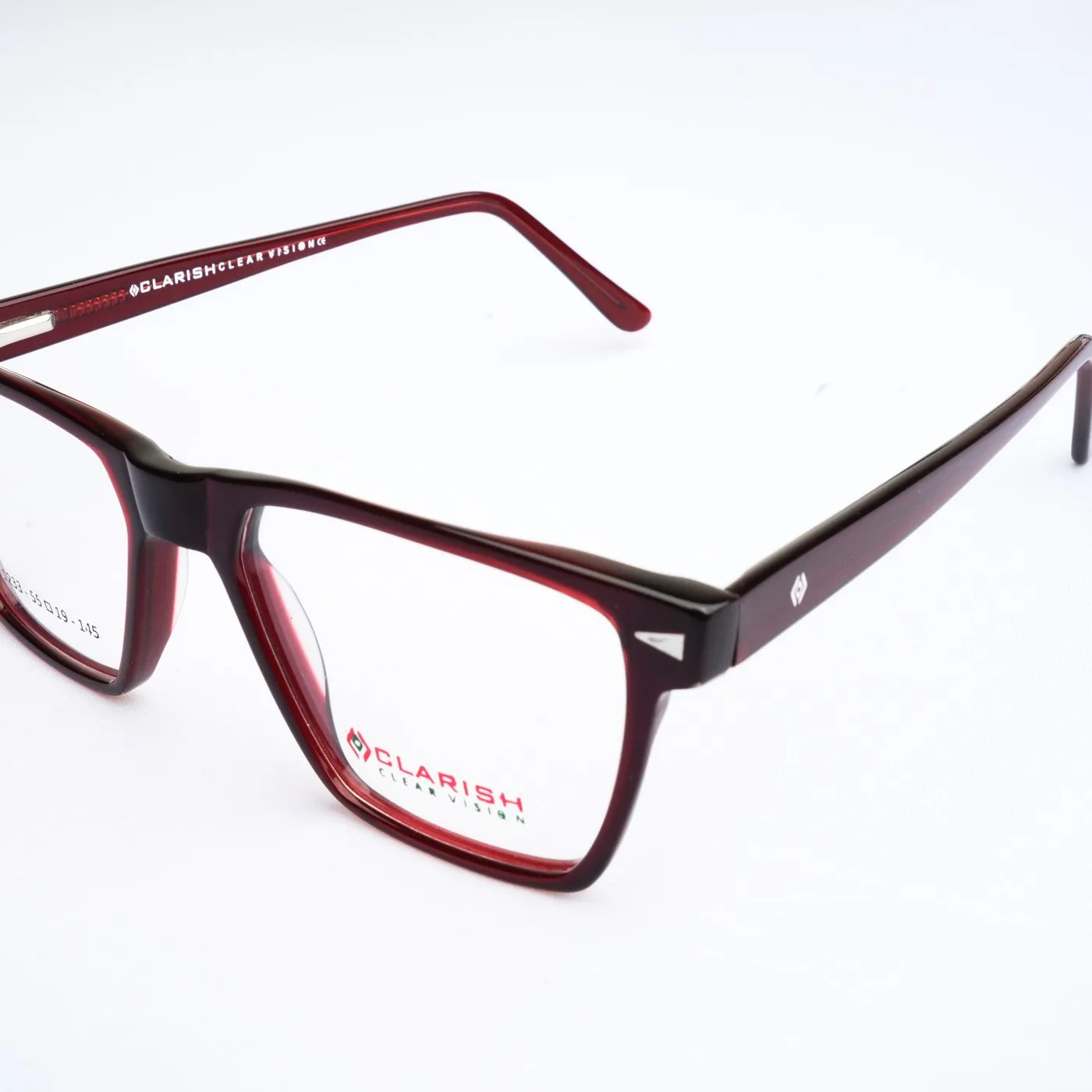
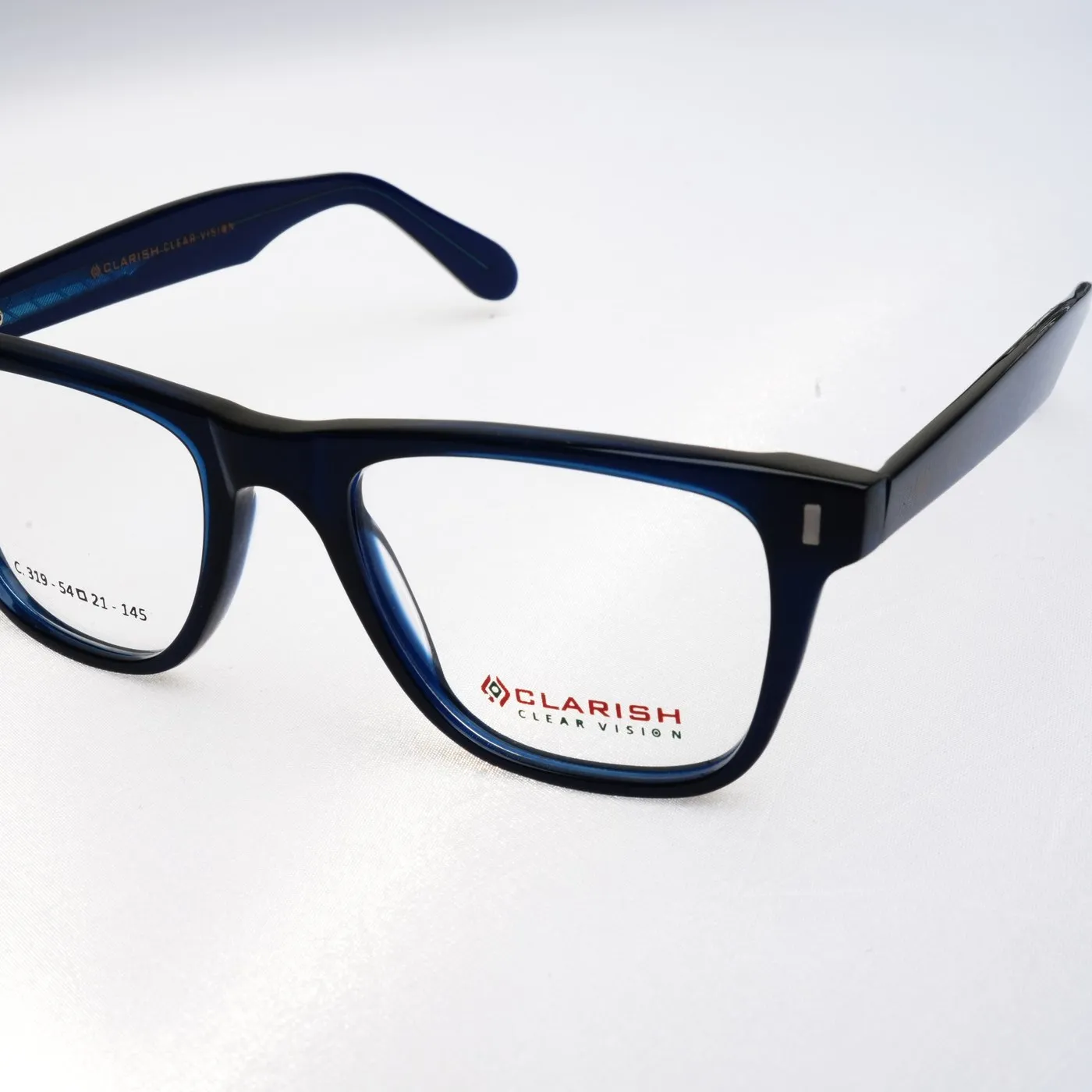
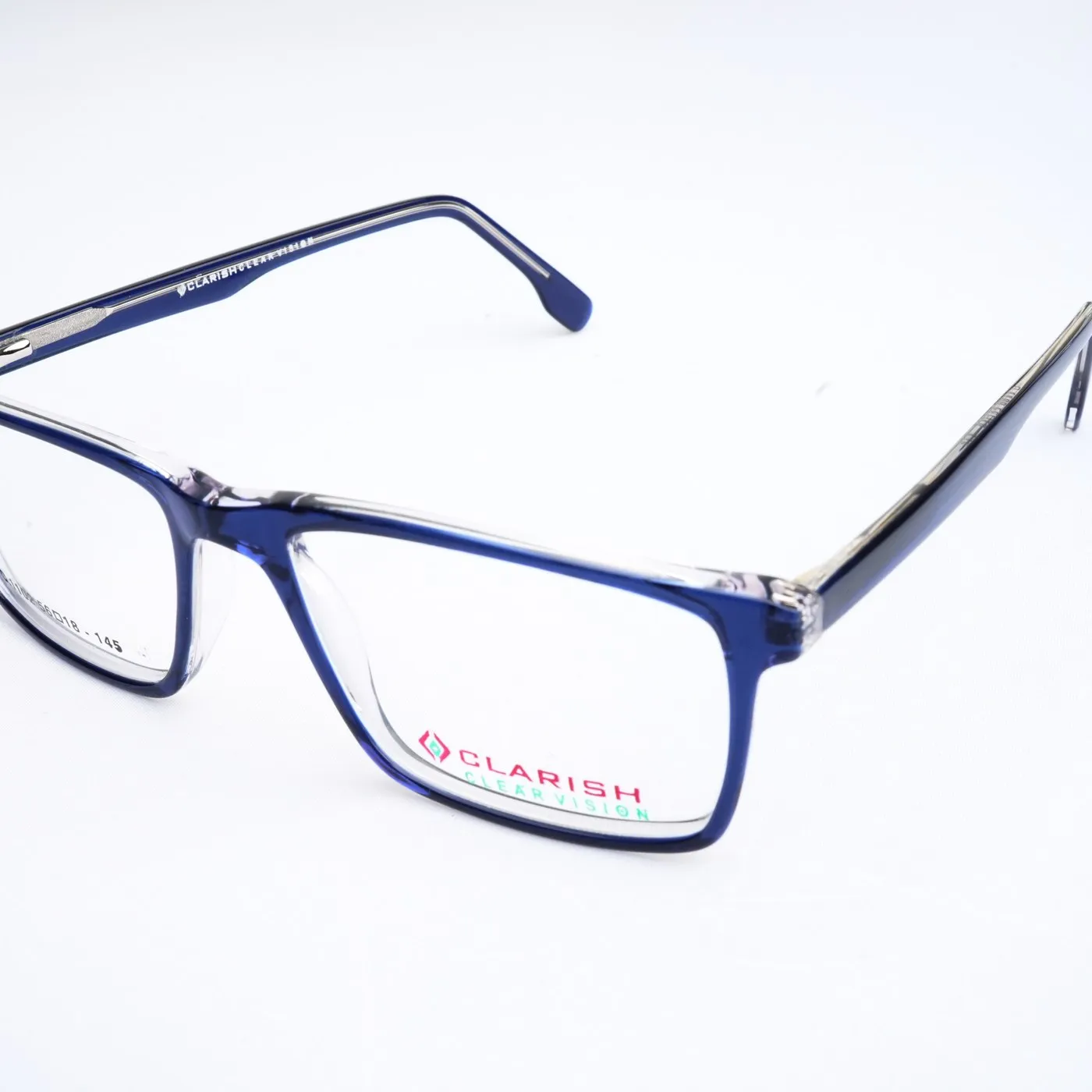
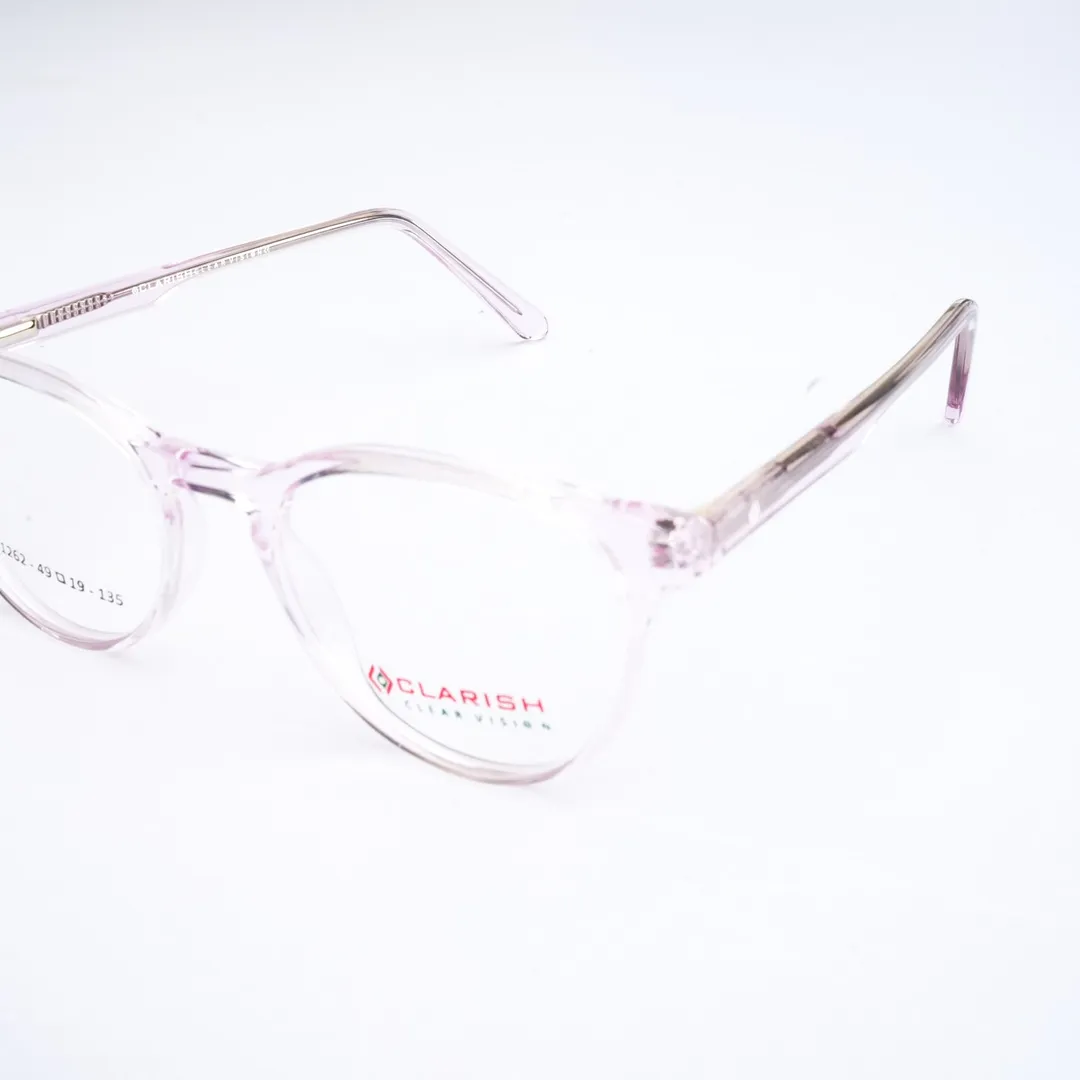
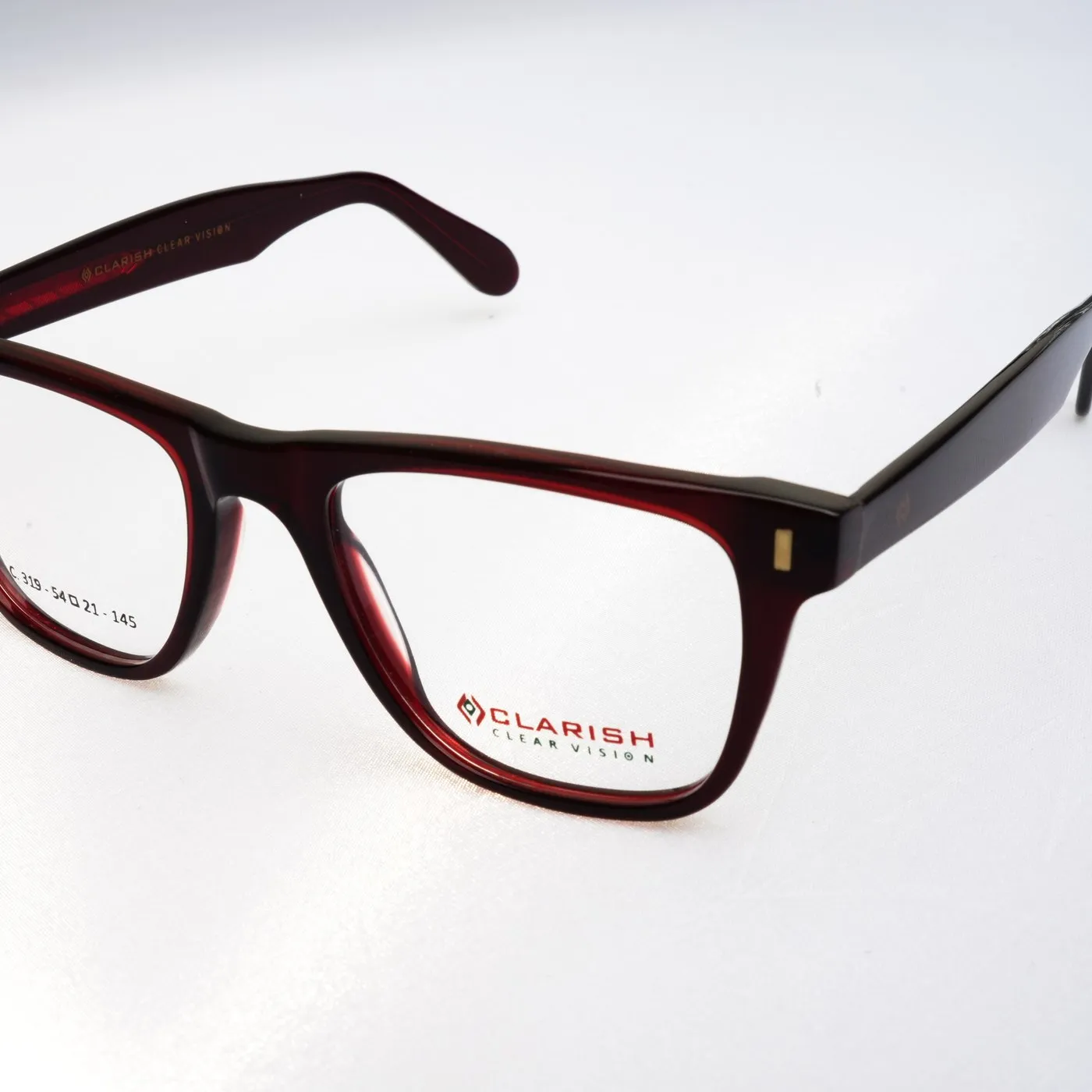
 Executive Rectangle
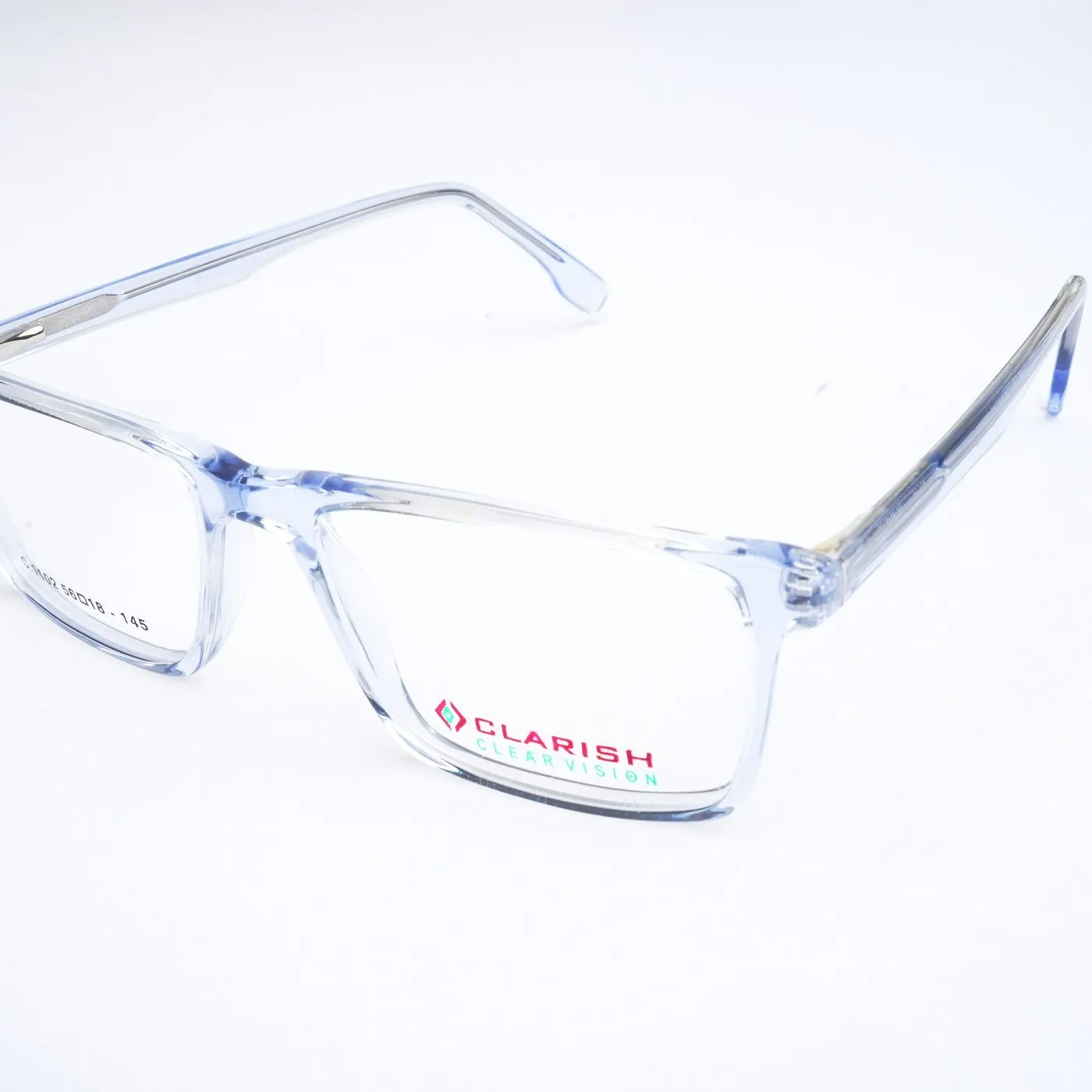
Clarish™ C.1102
56 mm eye, 18 mm bridge, 145 mm temple
Calibrated for corporate executive styling. Features a reinforced saddle bridge and 5-barrel pin hinges engineered for high-diopter progressive lens mounting.

B2B Eyewear Sourcing Intelligence & Direct Manufacturing · Since 1985
Navigate global optical procurement with India's premier cellulose acetate manufacturer. Rushabh Trading Company (RTC Eyewear) engineers, machines, hand-finishes, and exports high-performance spectacle frames for international optical retail chains, independent boutiques, eyewear brands, and global distributors seeking reliable alternatives to volatile manufacturing ecosystems.
Over Four Decades of Monolithic Category Focus. Since 1985, Rushabh Trading Company has dedicated every piece of CNC infrastructure, barrel-tumbling line, and diamond polishing spindle solely to one discipline: premium cellulose acetate eyewear manufacturing.
Factory Recommended Silhouettes
Engineered from cured block cellulose acetate sheets, these featured optical frames represent our most re-ordered silhouettes across European, North American, and Asian retail networks. Available immediately for wholesale distribution, ODM adaptations, or private label customization.
Executive Rectangle 56 mm eye, 18 mm bridge, 145 mm temple
Calibrated for corporate executive styling. Features a reinforced saddle bridge and 5-barrel pin hinges engineered for high-diopter progressive lens mounting.
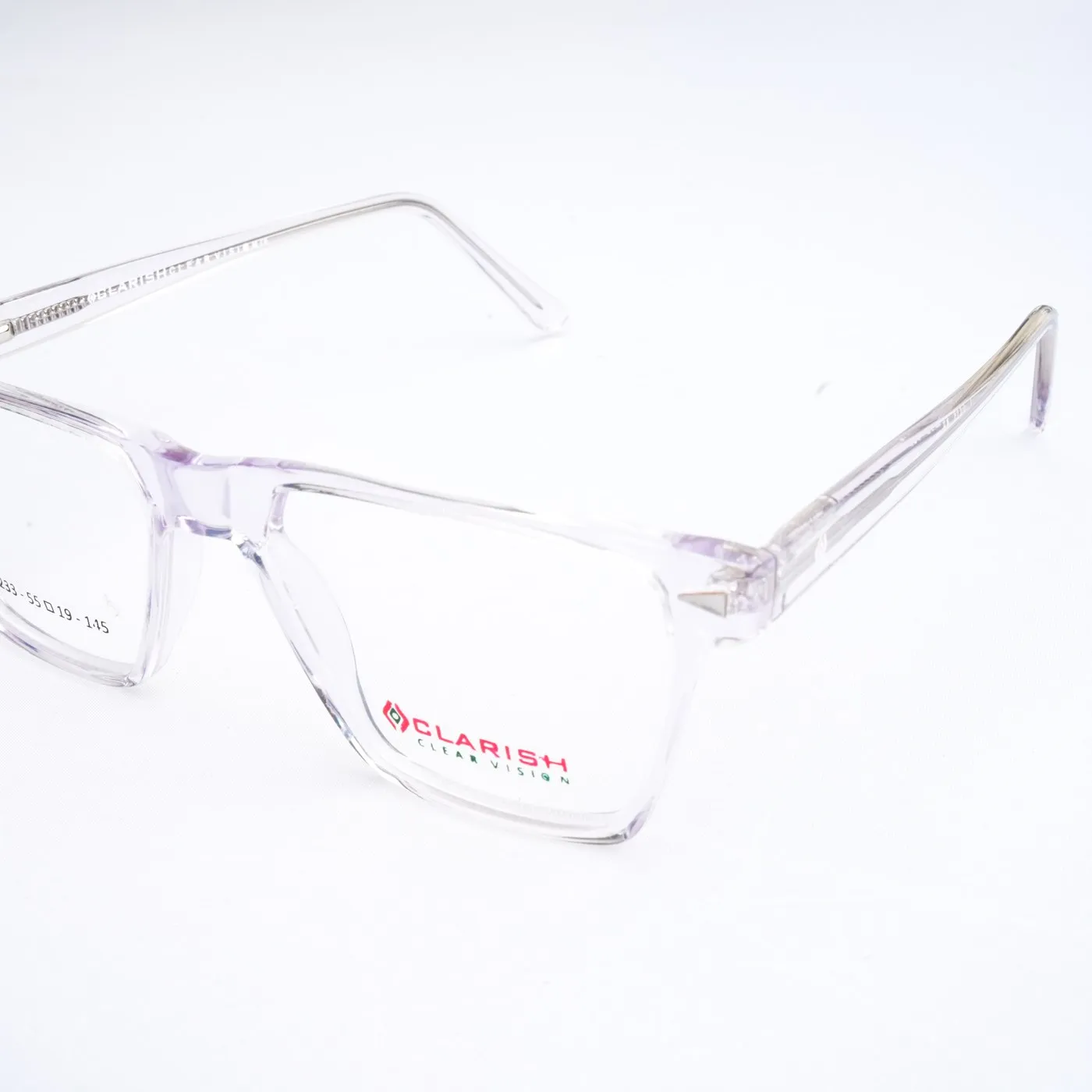 Modern Square
55 mm eye, 19 mm bridge, 145 mm temple
Substantial square profile providing exceptional structural stability for blue-light blockers, digital lifestyle wearers, and fashion-forward urban prescription lines.
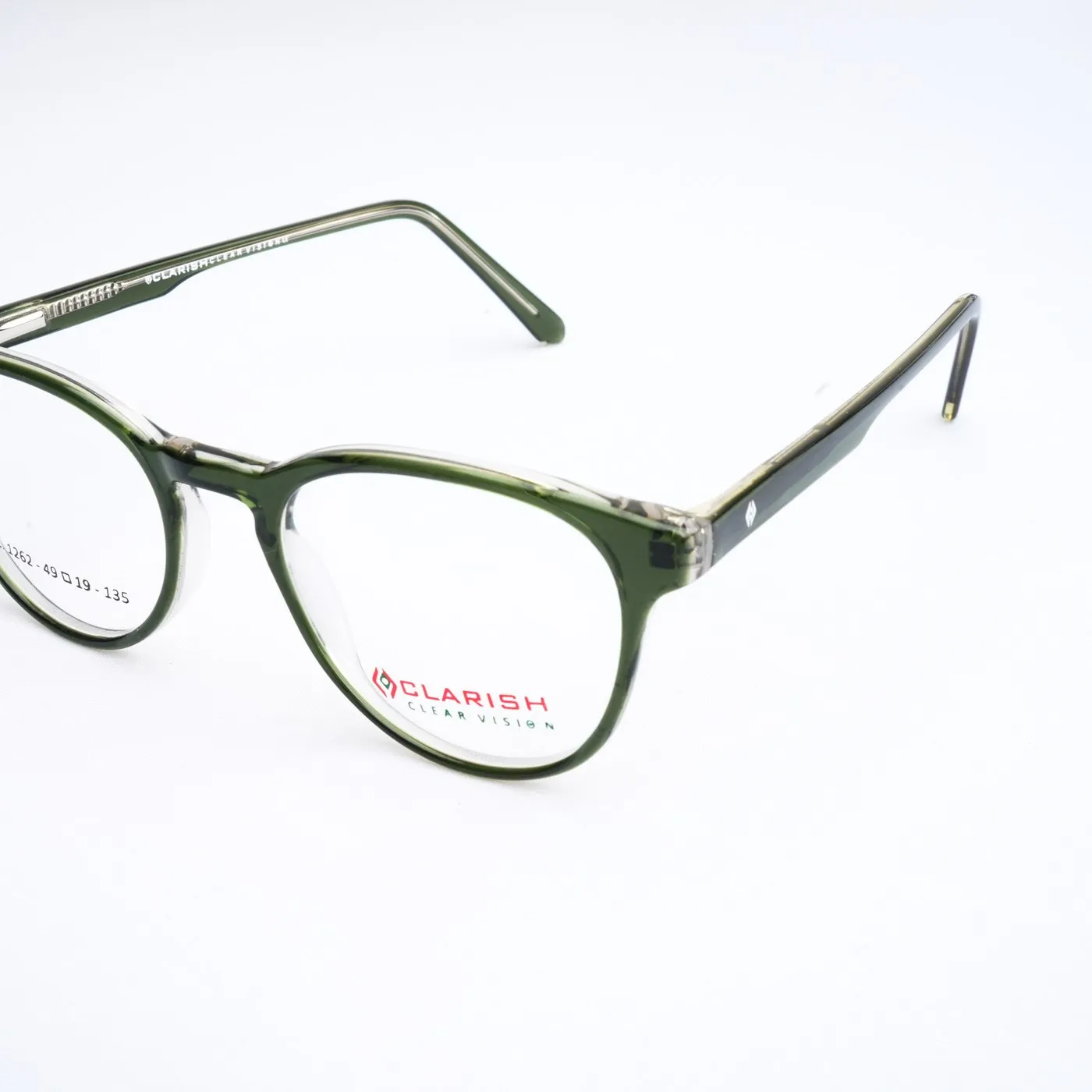
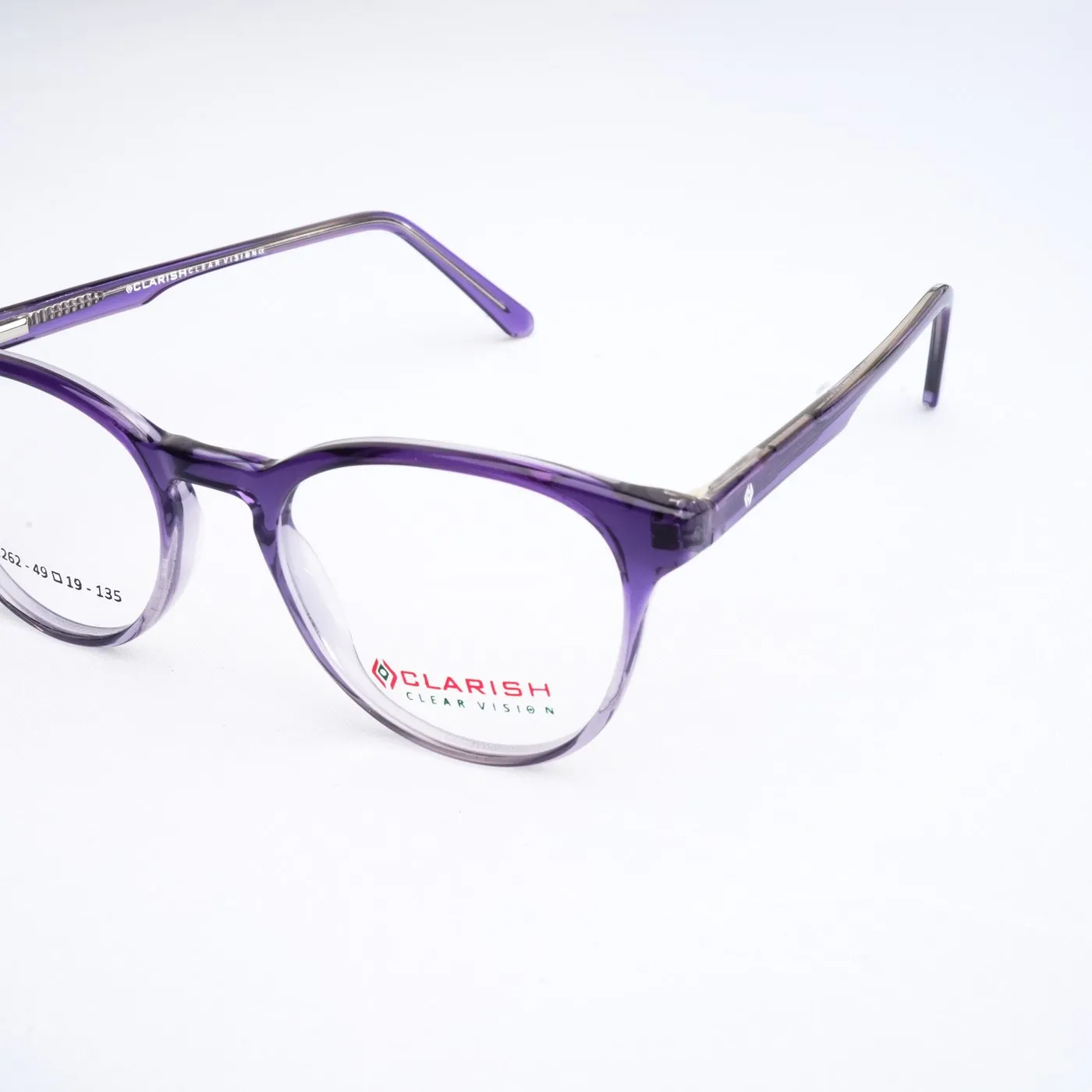 Pantoscopic Round
49 mm eye, 19 mm bridge, 135 mm temple
Timeless retro round geometry designed for unisex retail appeal. Ergonomic keyhole bridge balances nose bridge load without requiring synthetic nose pads.
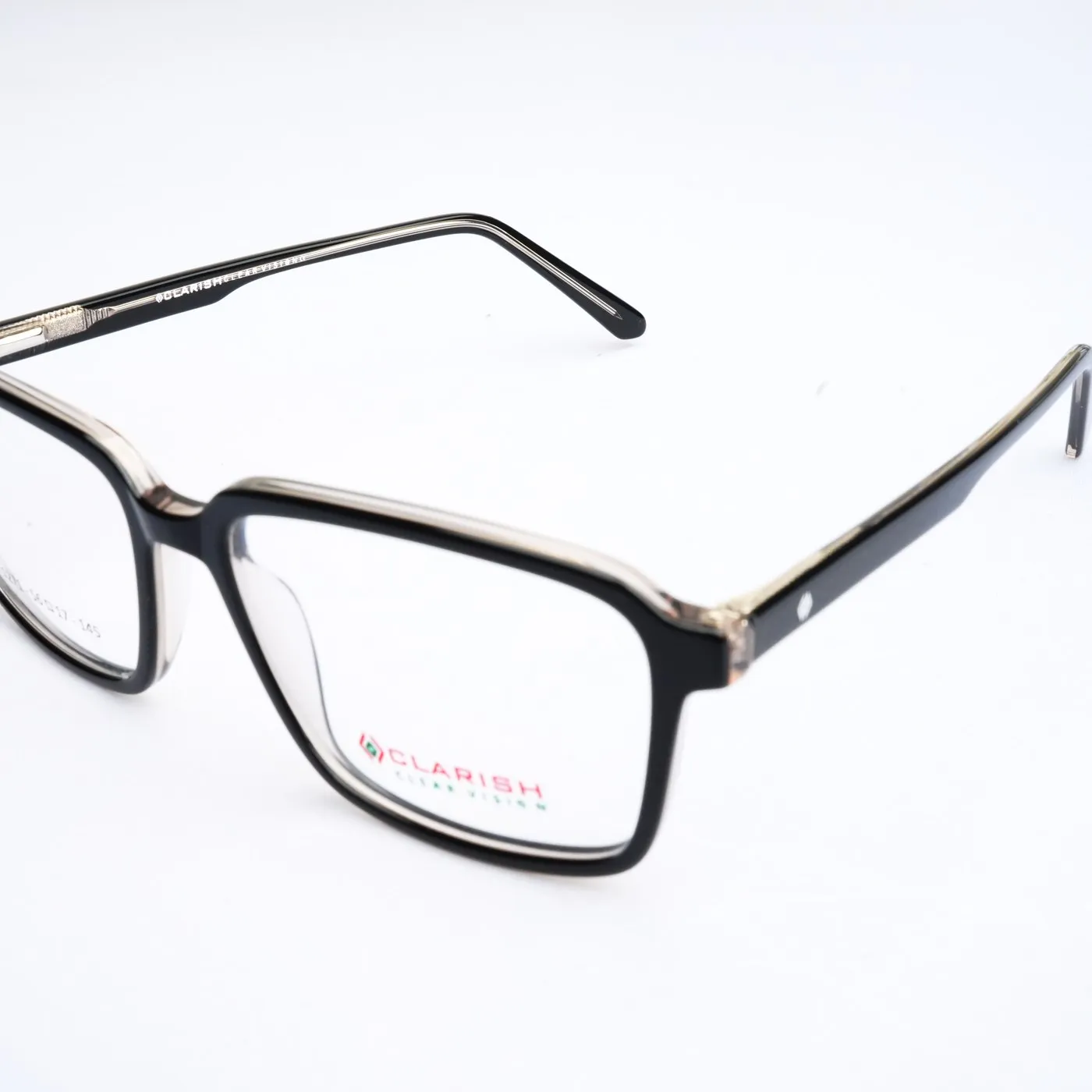
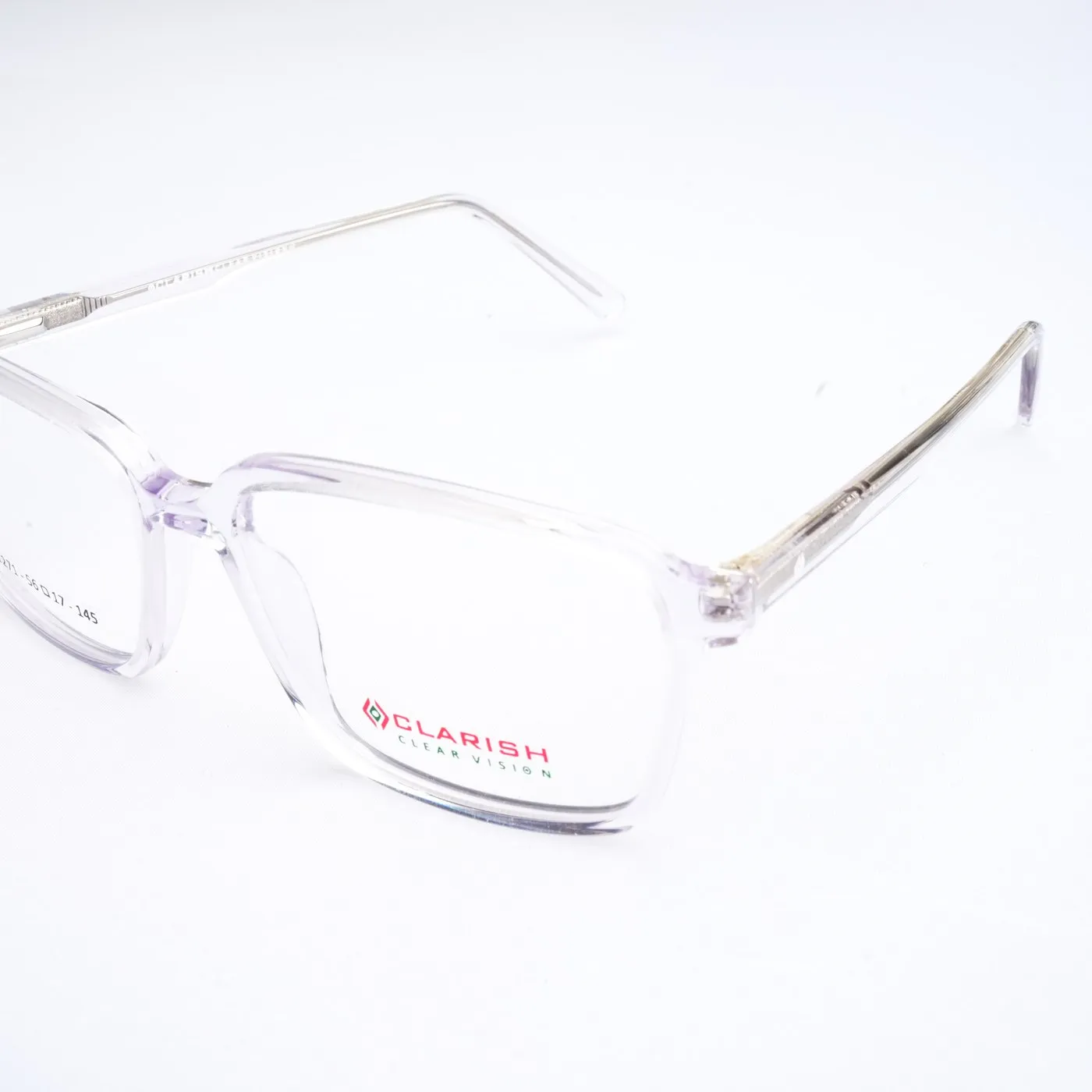 Low Profile Rectangle
56 mm eye, 17 mm bridge, 145 mm temple
Ultra-slender CNC milled rims optimized for lightweight daylong comfort. Highly favored by opticians seeking rapid turnarounds on volume optical dispensaries.
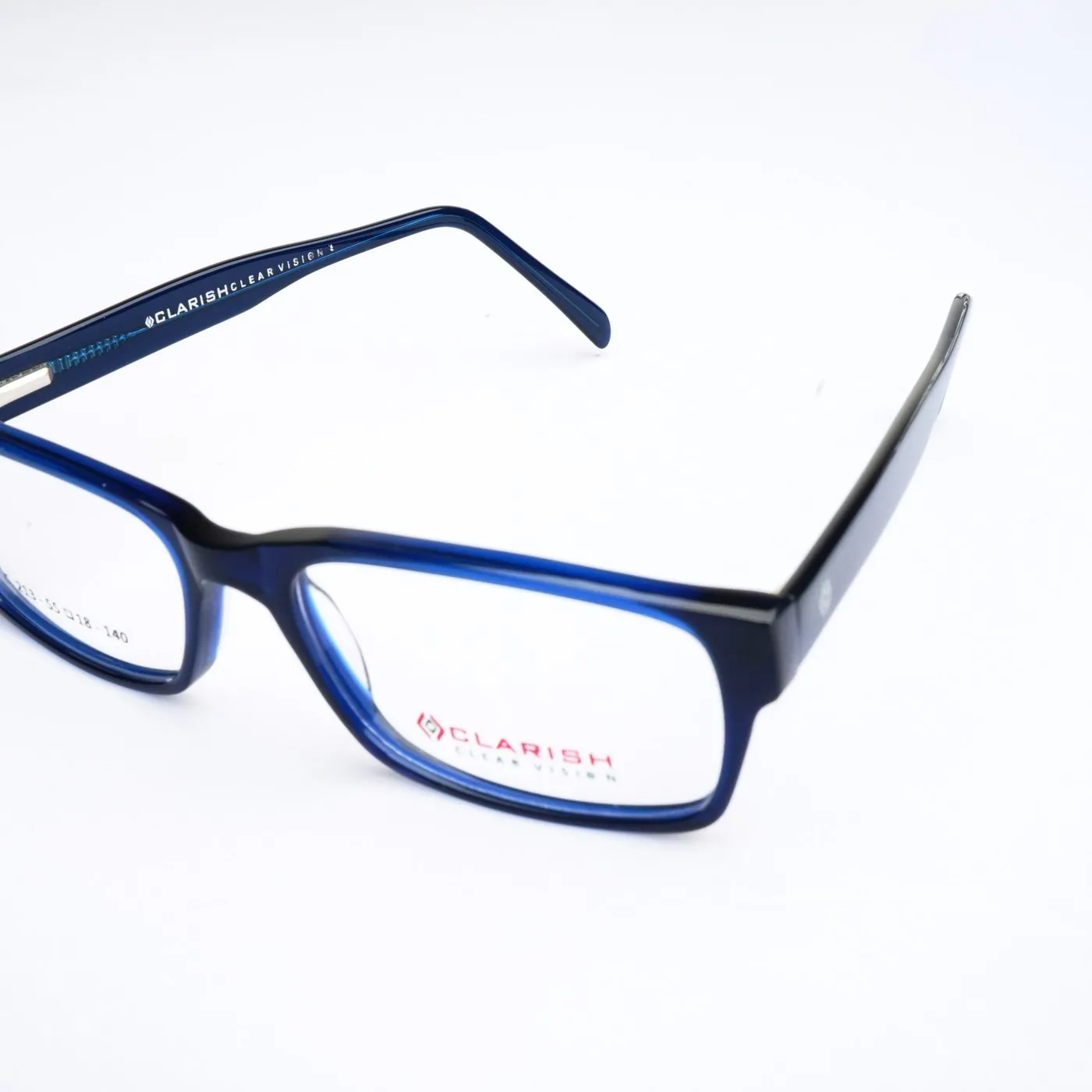
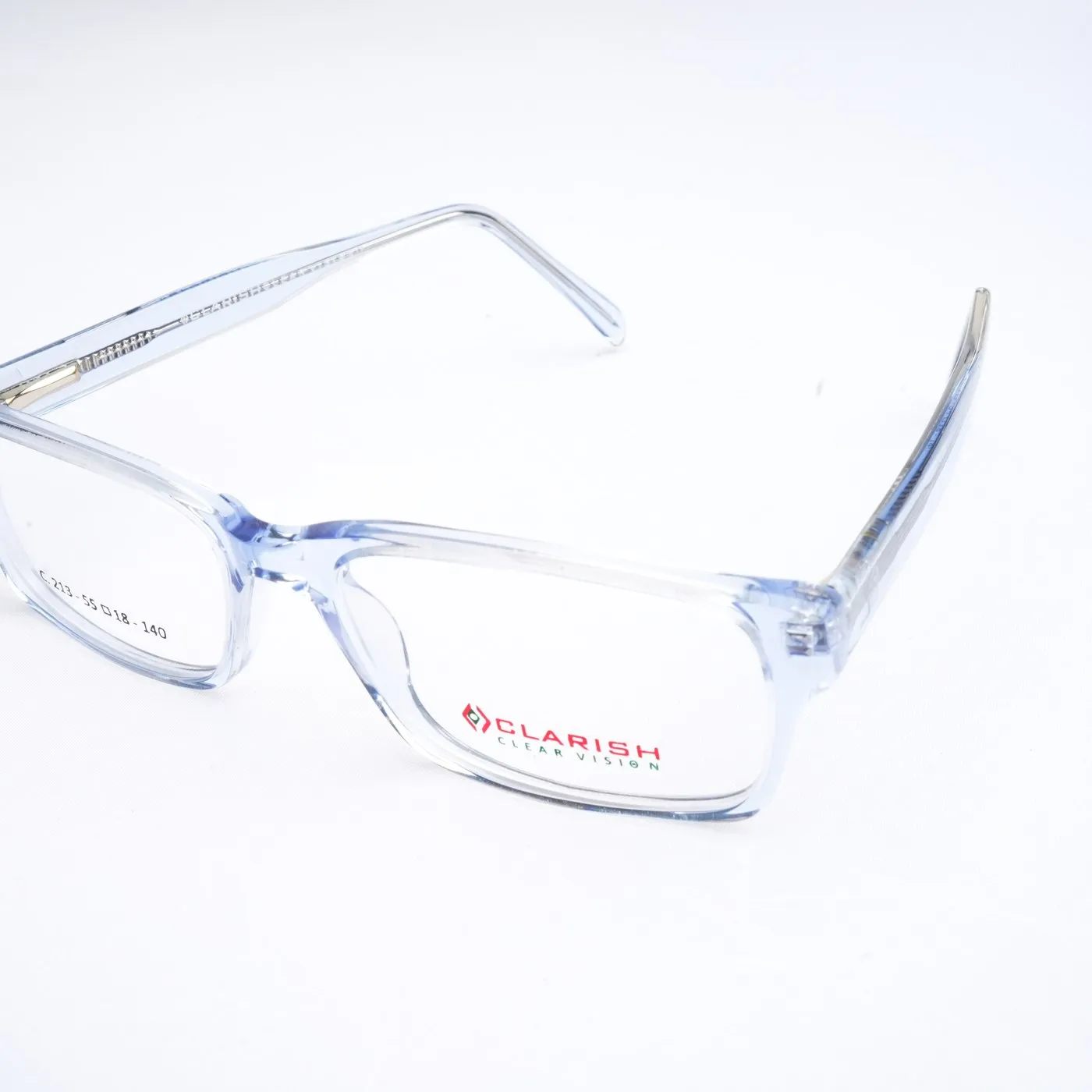 Universal Rectangle
55 mm eye, 18 mm bridge, 140 mm temple
The quintessential workhorse frame. Proven optical geometry suited for standard lens edging equipment and universal demographic anatomical bridge widths.
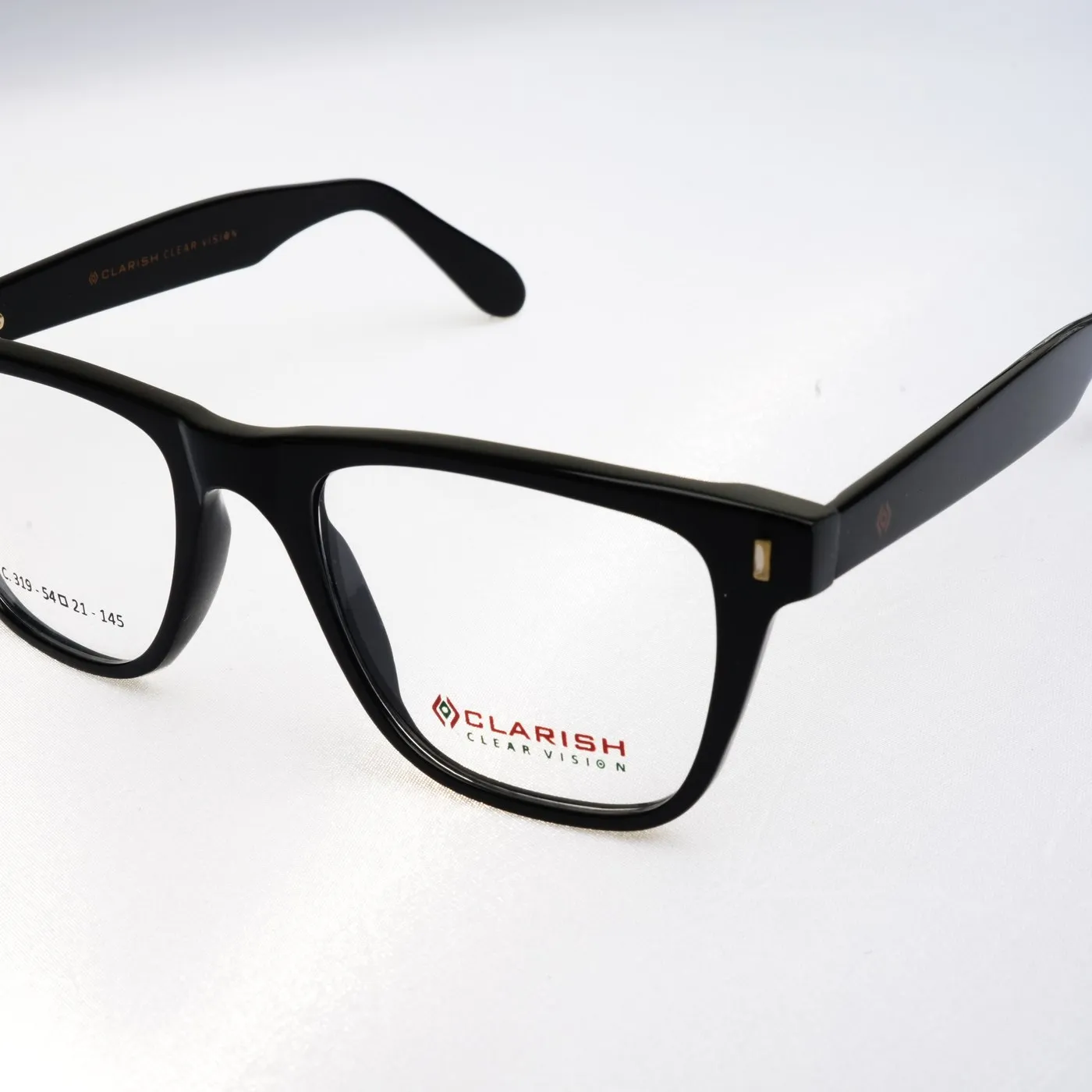 Architectural Square
54 mm eye, 21 mm bridge, 145 mm temple
Substantial 21 mm bridge stance creating an authoritative statement silhouette. Designed with an oversized eye groove suited for multi-focal and computer glasses.
In wholesale spectacle frame procurement, sizing is an engineering tolerance rather than an aesthetic preference. Every frame in our factory is catalogued by standard Boxing System dimensions: Eye Width □ Bridge Width – Temple Length. A specification like 56 □ 18 – 145 dictates edge thickness tolerance in optical beveling and guarantees that pupillary distance (PD) centration falls inside acceptable laboratory thresholds. As part of our OEM/ODM service, we adapt these parameters to match regional anthropometric facial structures.
Macro Sourcing Dynamics
Sourcing strategies in the optical manufacturing sector are undergoing tectonic structural shifts. B2B buyers must navigate these four critical procurement drivers to protect gross margins and satisfy modern retail expectations over the next decade.
Optical conglomerates and mid-sized distributors are actively mitigating supply chain fragility by de-risking away from sole-reliance manufacturing hubs. India has emerged as a premier manufacturing destination, combining established craftsmanship heritage with favorable geopolitical trade relationships, stable export duties, and competitive cost-efficiency in complex multi-step acetate processing.
Consumer demand for circularity has converted sustainability from a niche promotional gimmick into an essential compliance standard. Procurement leads are pivoting toward bio-based cellulose acetate synthesized from FSC-certified cotton seed linter and sustainable wood pulp, plasticized with bio-derived esters rather than petroleum plasticizers, ensuring frames degrade responsibly under industrial composting standards.
The era of committing capital to 5,000-piece single SKU inventory stockpiles has ended. Optical wholesalers and fast-growing direct-to-consumer (D2C) brands demand agile manufacturing pipelines with reduced batch minimums, enabling multi-color seasonal drops that prevent excess stock depreciation while capturing fast-moving micro-fashion trends.
Leading buyers no longer purchase unbranded optical frames in isolation; they procure fully integrated, retail-ready product solutions. Wholesale spectacle frame supply now necessitates turnkey private label integration, incorporating bespoke temple hot-stamping, precision laser engraving, sustainable PET microfiber cloths, and collapsible cardboard secondary packaging engineered for optimized freight volume.
Plan your upcoming seasonal collections around sustainable materials and verified production pipelines. Discover how RTC Eyewear's flexible manufacturing frameworks reduce working capital exposure for wholesale buyers worldwide.
Send an Inquiry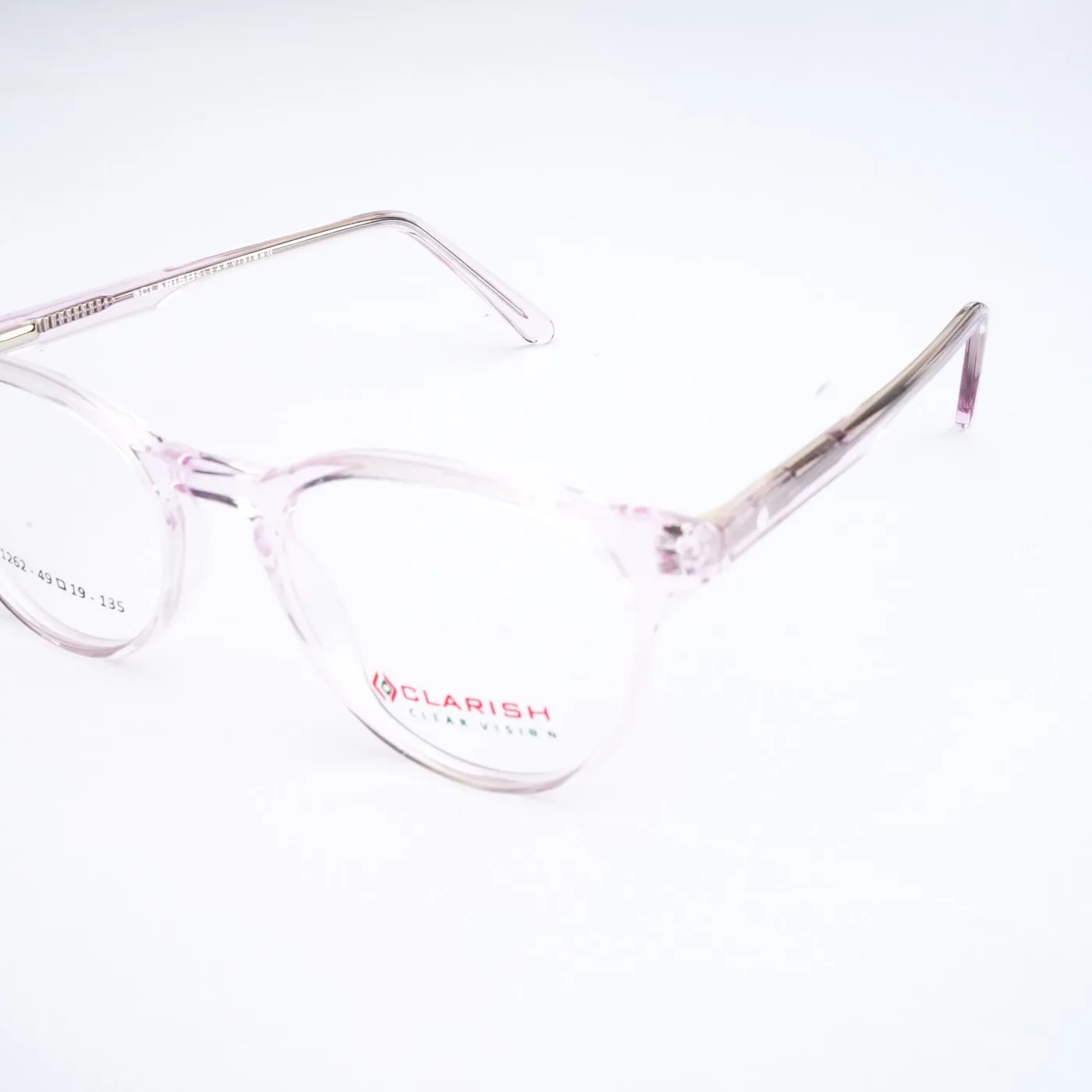
Evolution of Optical Manufacturing
Modern spectacle frame production has transcended generic manual processing. Technological convergence in mechanical engineering and optical ergonomics now dictates which wholesale suppliers sustain enduring commercial partnerships.
Contemporary CNC machining centers now carve complex 3D facets, ergonomic nose rests, and asymmetrical bevels straight out of thick 8mm to 10mm acetate slabs with zero thermal distortion, unlocking architectural silhouettes previously considered impossible to tool cost-effectively.
The contemporary market demands hybrid lightweight durability. Modern frames integrate ultra-thin beta-titanium core wires and Japanese stainless steel wire cores encapsulated within translucent cellulose acetate, achieving feathery lightweight balance alongside infinite bench adjustability.
Replacing toxic solvent polishing dips, state-of-the-art factories employ 72-to-96-hour tumbling cascades utilizing natural beechwood pegs, birch chips, pumice stones, and specialized plant waxes to produce deep, scratch-resistant mechanical glosses that resist epidermal oils.
Global optical distribution demands nose bridge architectures that eliminate frame slippage. Advanced CAD-modeled rim bevels and integrated bridge anatomies accommodate diverse nasal bridge contours across Western, Asian, and Hispanic demographics effortlessly.
Factory Engineering Integrity
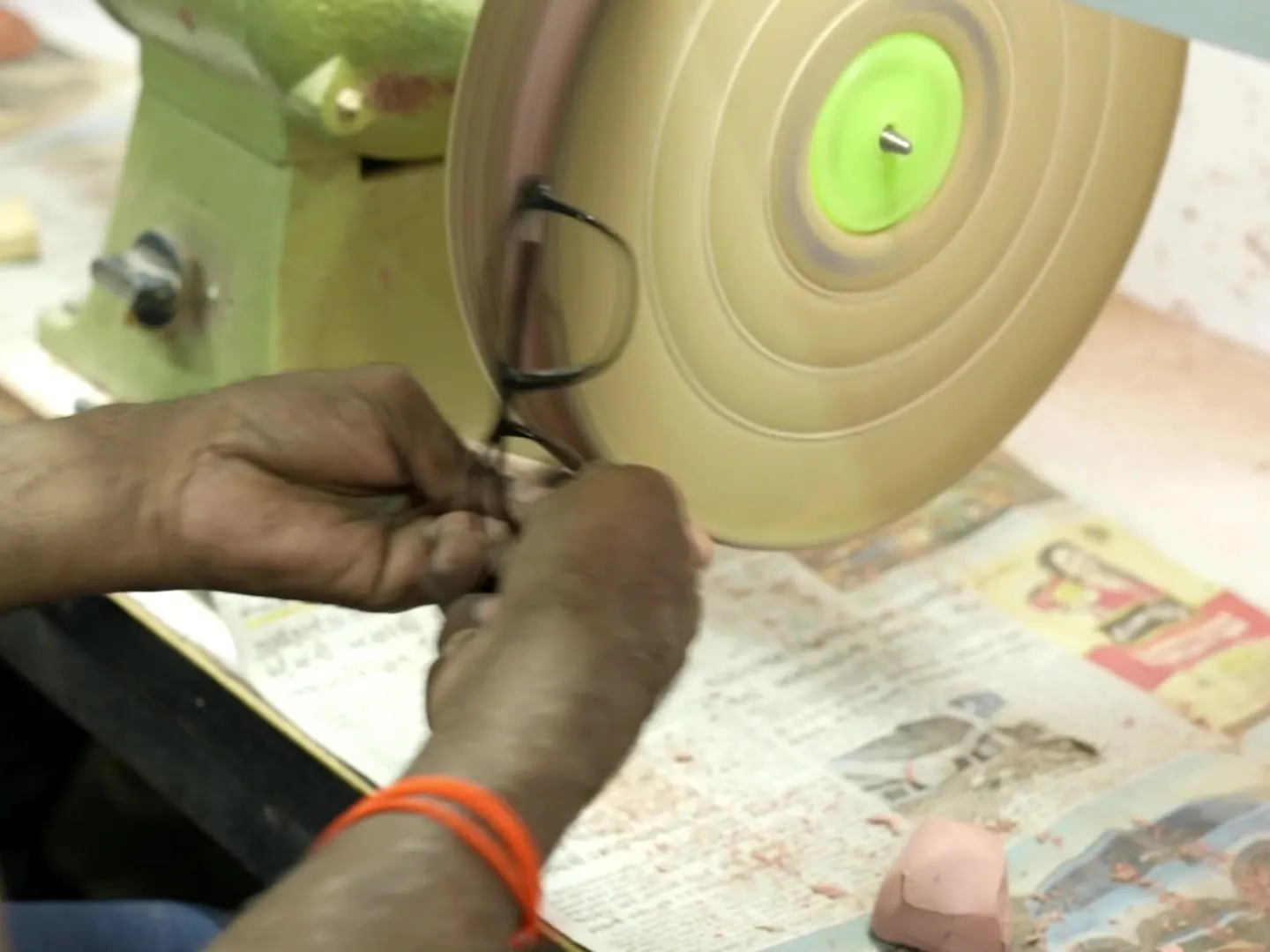
At RTC Eyewear, our Ahmedabad factory maintains an uncompromising balance between digital manufacturing precision and irreplaceable human craftsmanship. A high-precision machine creates the dimensional accuracy; a dedicated craftsman gives the frame comfort, balance, and tactile warmth.
“Tolerances define the lens groove; craftsmanship defines whether a customer keeps wearing the frame all day.”
High-speed computer-controlled routers carve front profiles, stepped eye grooves, and hinge cavities to within ±0.05mm tolerances, ensuring flawless optical lens mounting.
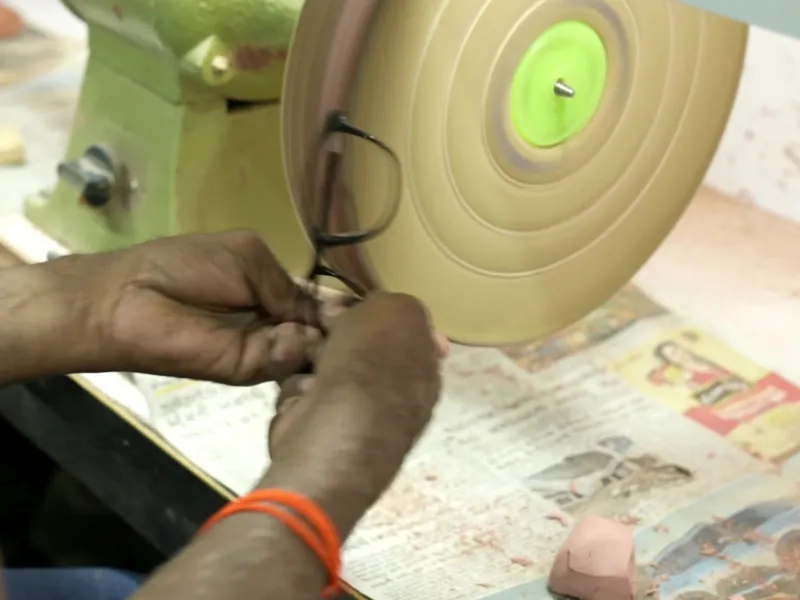
Every rough-cut edge is individually hand-radiused at abrasive cotton mops. Hand inspection guarantees zero sharp edges along the temple tips and bridge rest.
Inspections are executed at incoming raw sheet arrival, post-core wire lamination, and final boxing. Front flatness, pantoscopic tilt, and temple alignment are checked individually.
Frames are enveloped in anti-scratch sleeves, packed in moisture-regulated inner cartons, and palletized to withstand rigorous international sea and air freight.
Need custom technical drawings or specific CAD profiling? Our engineering team works directly with your vector files or physical sample references.
RTC Eyewear B2B Value Proposition
When sourcing wholesale spectacle frames, selecting a manufacturing partner is a fundamental strategic choice. Here is why multinational retail groups, independent distributors, and design labels entrust their supply chains to Rushabh Trading Company.
Operational in Ahmedabad, Gujarat since 1985. Four decades of singular dedication to cellulose acetate processing yields institutional knowledge that completely eliminates downstream manufacturing failures.
Full-spectrum manufacturing capabilities. Transition seamlessly from ready-to-ship Clarish™ catalog models to complete custom tooling built from your private CAD sketches and proprietary styling briefs.
With 22 production-proven silhouettes and 258 curated colorways available, we drastically shorten your product development phase and reduce market lead times for seasonal releases.
Decades of worldwide exporting experience. We manage documentation, Certificate of Origin paperwork, harmonized HS codes, and customs clearances across North America, Europe, Africa, and Asia.
Procurement Intelligence & Due Diligence
Direct, clear answers to the most frequent technical, commercial, and operational questions asked by professional procurement specialists and optical brand managers.
Cellulose acetate is a plant-derived organic thermoplastic made from renewable cotton seed linters and wood pulp, manufactured as dense sheets, cut with CNC machinery, and polished by hand. In contrast, injection-molded plastics (such as TR-90, Grilamid, or cellulose propionate) are petrochemical polymers liquefied and injected into steel molds. Acetate features integral color depth permeating throughout the entire cross-section—meaning minor scratches can be buffed out without exposing base layers. Crucially for prescription optics, cellulose acetate exhibits thermoplastic memory, allowing an optometrist or dispensing optician to heat, curve, and adjust the bridge and temples to match a patient's cranial anatomy precisely, a process impossible with injection-molded frames which continually snap back to their molded shape.
Because RTC Eyewear operates as an agile, vertically integrated manufacturer rather than a rigid mass-market clearing house, our MOQs and lead times are configured directly around your specific program. For catalog models from our existing Clarish™ line (which utilizes pre-tooled CNC programs and in-stock acetate slabs), production runs can commence with accessible, lower minimums across assorted colorways. Completely custom OEM/ODM tooling requires custom prototype milling, master molding, and dedicated sheet curing, leading to program-specific minimums. Production lead times typically range from 45 to 75 working days from golden sample approval, depending on the complexity of acetate layering, custom core wire fabrication, and customized retail packaging requirements.
We implement a strict three-tier quality control protocol. First, all incoming raw cellulose acetate sheets undergo hygrometric stabilization and thickness gauging to prevent post-milling warping. Second, after CNC cutting and wire shooting, frame fronts and temples are measured on precision optical comparators against approved engineering drawings, verifying lens groove depths, eyewire circumferences, and hinge seat tolerances to within ±0.05 mm. Third, every single assembled frame is balanced and bench-adjusted by experienced master craftsmen to confirm coplanar alignment, four-point touch balance, and consistent hinge friction torque before undergoing ultrasonic cleaning and final cleanroom inspection prior to export packing.
We are fully equipped for end-to-end OEM and ODM product development. If you possess finished CAD drawings, 3D surface files (.IGES or .STEP), or physical reference vintage frames, our technical engineering team can convert your ideas into production-ready CAM toolpaths. We manage custom tooling, hinge sourcing (such as German OBE or Italian Visottica-Comotec hinge hardware), custom temple wire core stamping, bespoke acetate sheet laminations, and pilot batch prototyping. Alternatively, through our ODM service, you can leverage our established Clarish™ silhouettes while modifying eye sizes, bridge geometries, temple contours, and unique color combinations.
We deliver complete, shelf-ready private label solutions. Branding options encompass high-precision multi-color silicone pad printing on the inner or outer temples, permanent fiber laser engraving, metal foil hot-stamping, and custom metal logo plaque inlaying. Inner temple markings are rendered precisely according to your house formatting (including model nomenclature, boxing measurements, and CE/UKCA compliance icons). Furthermore, we manufacture coordinated retail secondary packaging, including customized debossed clamshell cases, foldable magnetic boxes, RPET microfiber cleaning cloths, warranty cards, and retail cartons printed with unique barcodes and SKU stickers.
Yes. As a global exporter supplying optical networks across Europe, North America, and beyond, our spectacle frames are manufactured to comply fully with international optical standards, including ISO 12870 (Ophthalmic optics – Spectacle frames – Requirements and test methods), European Regulation (EU) 2017/745 for Class I medical devices, UKCA conformity, and US FDA requirements for non-corrective and corrective optical mountings. Our cellulose acetate materials comply strictly with REACH Annex XVII regulations, guaranteeing the absolute absence of hazardous nickel release, lead, cadmium, and banned toxic phthalates.
Have specific regulatory questions, commercial inquiries, or RFQ specifications? Connect directly with our international export department today.
Send an InquiryDirect Factory Partnership
Empower your optical business with premium, factory-direct cellulose acetate spectacle frames. Share your target specifications, target order volume, and destination port. Our export engineering team will review your brief, formulate an itemized quotation, and arrange physical prototype samples.