Tested for European Medical Device Regulation (MDR 2017/745 Class I) & PPE Regulation (EU) 2016/425 compliance. Available in custom dimensions, bespoke acetate laminations, and tailored temple markings.
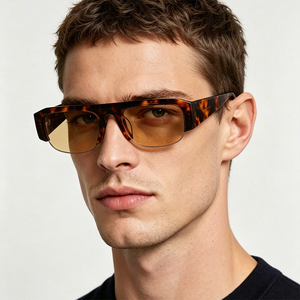
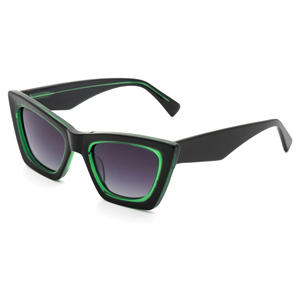
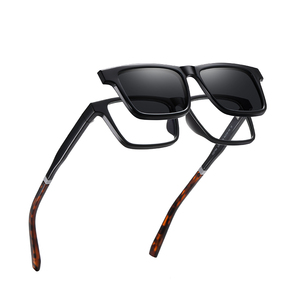
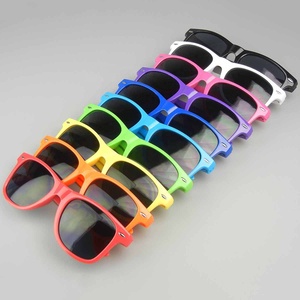
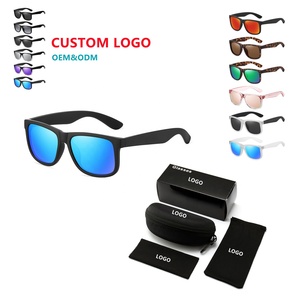
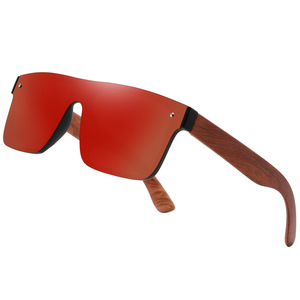
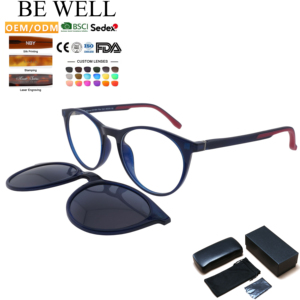
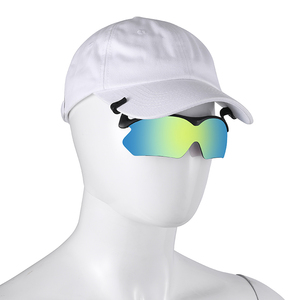
A granular analysis of mechanical durability, chemical compliance, and optical verification required for global distribution across Europe, North America, and Australasia.
In modern optical procurement, procuring CE Certified Custom Brand Eyewear is not merely a bureaucratic checkbox; it is the cornerstone of legal distribution, risk mitigation, and brand preservation. Under the European Union legal infrastructure, ophthalmic spectacle frames intended for corrective lenses fall under Regulation (EU) 2017/745 (Medical Device Regulation - MDR) as Class I medical devices, whereas non-prescription sunglasses and fashion eyewear are governed by Personal Protective Equipment (PPE) Regulation (EU) 2016/425. Meeting these dual frameworks demands a rigorous manufacturing regimen where dimensional stability, physiological compatibility, and optical clarity converge.
Rushabh Trading Company (RTC Eyewear), drawing from continuous factory operations dating back to 1985, executes every optical run under harmonized international specifications. When an optical frame or sunglass front is cut from virgin cellulose acetate sheets in our Ahmedabad production plants, our quality assurance protocol tracks raw batch integrity, thermal behavior, plasticizer migration, and surface finishing down to micrometer tolerances.
Full dimensional tolerance verification, bridge deformation endurance (cycling over 500 flexes without micro-fracture), temple pull testing, and perspiration immersion testing in synthetic sweat solutions over 24-hour cycles to guarantee no discoloration, pitting, or blistering.
Total compliance with REACH Regulation (EC) No 1907/2006, Annex XVII for nickel release rates (tested to EN 16128 below 0.5 μg/cm²/week for skin-contact components), and total absence of banned phthalate plasticizers (DEHP, DBP, BBP, DIBP) in acetate curing.
Lenses certified across Filter Categories 0 through 4 with pristine spectral transmittance, Category 3 UV400 blocking up to 400nm, minimum spherical/astigmatic refractive error (≤ 0.09 dpt), and zero prism imbalance to prevent eye fatigue in retail end users.
Cellulose acetate is a specialized bio-polymer derived from purified cotton linter and sustainable wood pulp flakes, plasticized using triacetin. Unlike conventional injection-molded plastics (polycarbonate or generic copolyesters) that are liquified and shot into steel cavity molds, cellulose acetate sheets are pressed, aged, and cured over months. This creates an unoriented, isotropic molecular structure that provides distinct technical advantages to premium eyewear brands:
Deep Color Depth vs. Surface Printing: The colorants and custom tortoiseshell patterns permeate the entire mechanical section of the sheet. When wearers inevitably scuff or scratch their frames during extended use, the chromatic appearance remains uniform. There is no white plastic core or painted coating to peel away.
Thermo-Elastic Memory for In-Store Customization: In ophthalmic dispensaries, dispensing opticians must curve temples, adjust pantoscopic tilt, and fit nose bridges to individual facial anatomies. Cellulose acetate softens predictably between 60°C and 70°C without bubbling, enabling seamless clinical adjustments before springing back into shape as it cools.
Understanding material parameters is pivotal for brand directors balancing retail price positioning, perceived luxury weight, and clinical prescription glazing capability.
| Material Type | Specific Density | Rx Glazing Suitability | Finishing Method |
|---|---|---|---|
| Cellulose Acetate (RTC) | 1.28 - 1.32 g/cm³ | Exceptional (Bevel V-Groove) | 72h Barrel Tumbling & Hand Buffing |
| TR-90 (Grilamid Polyamide) | 1.02 - 1.05 g/cm³ | Moderate (Cold Snap-In) | Coated / Surface Painted |
| Polycarbonate (PC) | 1.20 - 1.22 g/cm³ | Poor (High Stress Cracking) | Mold Polish / Spray Finish |
| SustainBio Acetate (Eco) | 1.27 - 1.30 g/cm³ | Exceptional (ISO Compliant) | Organic Wax Mechanical Polishing |
Every production model engineered in our facility carries stamped boxing measurements (e.g., 56 &Empty; 18 – 145 mm) ensuring total compatibility with computerized lens edgers worldwide:
How forward-thinking independent brands and optical retail networks are adjusting their vendor sourcing architectures to build resilient, sustainable supply chains.
Global optical importers are mitigating geopolitical and tariff exposures by diversifying beyond traditional East Asian hubs. India's established 40+ year manufacturing corridor in Ahmedabad offers duty-optimized, English-speaking OEM/ODM capacity with direct maritime access.
Regulatory mandates (such as the EU Corporate Sustainability Due Diligence Directive) require measurable carbon reductions. Buyers are transitioning to certified bio-based acetates (certified >68% bio-based carbon per ASTM D6866) using phthalate-free, non-fossil plasticizers.
Spectacle lines now demand dual-utility. The convergence of prescription frontals with magnetic modular clip-ons—such as FL-41 therapeutic migraine filtering and gaming blue-light blocking—allows brands to target specialized health niches at elevated retail price points.
Gone are the days of rigid 5,000-piece minimums. Modern procurement prioritizes rapid prototyping (physical sample verification in 10 working days) backed by phased scaling, preserving brand capital while reacting in real-time to trending runway aesthetics.
Combining modern 5-axis computer numerical control with time-honored bench craftsmanship in Ahmedabad, India.
Since its inception in 1985, Rushabh Trading Company has adhered to a singular manufacturing philosophy: a computer numerical machine guarantees micro-metric geometric consistency, but only hand-finishing delivers all-day ocular comfort. Generic mass production often cuts corners by truncating the tumbling cycle or utilizing flash chemical dips that yield an artificial, ephemeral gloss. At RTC Eyewear, our 8-stage manufacturing cycle remains uncompromised:
Direct answers addressing MOQs, technical tooling, private label branding, international regulatory paperwork, and supply agreements.
Consult with our senior technical engineering team in Ahmedabad. Review current material swatches, request physical sample frames, or benchmark your existing OEM production costs against an experienced manufacturer active since 1985.

