

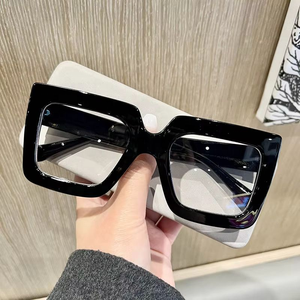
Engineered for global eyewear distributors, optical retail networks, and independent private labels. Explore our precision-tooled acetate and multi-material architectures.
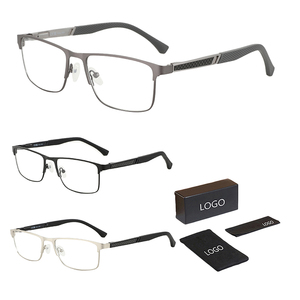
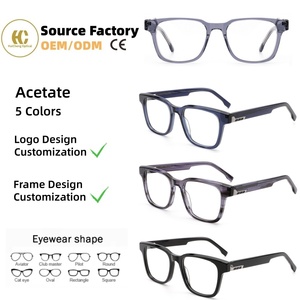

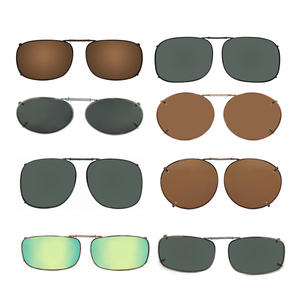
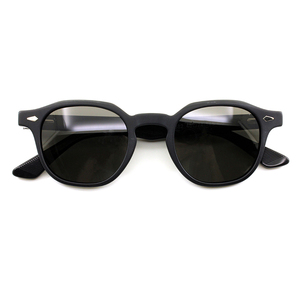
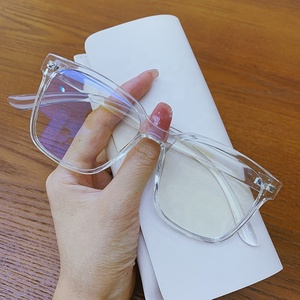
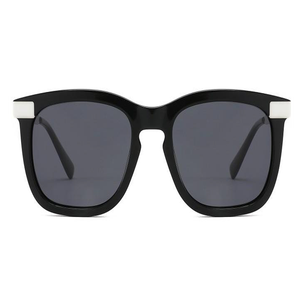
Rushabh Trading Company combines 40+ years of cellulose acetate manipulation with tight CNC engineering tolerances to ensure zero-defect production runs.
Every frame assembly is rigorously audited against European Medical Device standards. We execute in-line mechanical resilience tests, temple pull tests, and nickel release checks according to EN 16128, safeguarding your brand across international border customs.
The failure of spring hinge eyewear consistently traces to imprecise hinge seats. Our 5-axis CNC machining centers rout internal pocket geometries with +/-0.02mm accuracy, eliminating temple wobble and providing smooth spring engagement.
Unlike sprayed chemical gloss coats that degrade, our organic cellulose acetate undergoes a multi-stage, 72-hour mechanical barrel finishing process using beechwood chips and specialized pumice pastes, yielding deep tactile luster that lasts indefinitely.
We serve strictly brand owners, corporate distributors, and eyewear retail groups. We manage the documentation matrix—including Declarations of Conformity, technical design files, full customs manifests, and drop-ship logistics seamlessly.
Frame shrinkage and post-assembly deformation stem from raw material volatility. RTC utilizes aged, dried cellulose acetate blocks containing strictly certified bio-based plasticizers, completely eliminating spontaneous hinge detachment.
From high-definition laser temple etching and pad-printed serial numbering to bespoke core-wire stamping and customized eco-packaging solutions, our agile engineering team turns concept CAD sketches into market-ready boxed SKUs.
Unlike trading entities that outsource critical operations, RTC maintains an unbroken line of accountability within our Ahmedabad manufacturing hub. Our in-house chemistry labs test sheet durometer hardness, moisture saturation, and internal wire core integration prior to production clearance. When your brand partners with us, you are contracting guaranteed mechanical consistency, reliable delivery lead times, and professional engineering consultation.
Data-backed perspectives on engineering transitions, supply chain resilience, and material adaptations shaping wholesale optical investments.
Traditional soldered spring hinge boxes are giving way to micro-screwed, modular internal cartridges. Optical retailers require components that allow immediate in-clinic serviceability without requiring heat ovens or frame swaps.
Strict corporate ESG reporting requirements across Europe (CSRD) are accelerating migrations away from standard diethyl phthalate binders toward certified bio-based, circular cellulose polymer sheets harvested from sustainable wood pulp.
Market demand is expanding for composite architecture: high-density acetate rims structurally coupled with beta-titanium or woven carbon fiber temples to reduce nose-bridge loading by up to 35% without sacrificing durability.
| Quality Metric / Parameter | Conventional Market Grade | RTC Factory Whitepaper Standard | Procurement Impact |
|---|---|---|---|
| Spring Core Mechanical Fatigue | 5,000 – 10,000 Open/Close Cycles | > 25,000 Verified Cycles (Zero Play) | Reduces retailer return rates below 0.3% |
| Raw Acetate Conditioning | Flash air-dried (Risk of warping) | Controlled Hot-Room Cured (> 45 Days) | Prevents post-glazing lens pop-out |
| Corrosion Resistance Testing | 24-hour basic salt spray test | 96-Hour Neutral Salt Fog Test (ISO 9227) | Withstands extreme skin acidity and humidity |
| CNC Tooling Tolerance | +/- 0.15 mm | +/- 0.02 mm Micro-Milled | Ensures precise hinge flushness |
Direct technical answers addressing engineering tolerances, regulatory certifications, production capacities, and ordering processes.
Our complete optical frames and sunglasses adhere to EN ISO 12870 (Ophthalmic optics – Spectacle frames) and Regulation (EU) 2017/745 for Class I Medical Devices. We maintain continuous material testing records verifying mechanical robustness, dimensional stability at elevated temperatures, resistance to perspiration, and non-nickel release under EN 16128.
Premature failure occurs when the internal spring box housing allows lateral play, causing the coil to bind or strip out of its mounting pocket. RTC uses dual-rivet anchor plates or high-frequency heat-staked anchors inserted into dense, fully stabilized acetate. Our stainless steel spring capsules are sealed against moisture and debris infiltration.
Because we run dedicated CNC machining routines rather than injection mold runs, our minimum order quantities (MOQs) are practical for scaling brands. Typical custom runs start at 300 to 500 units per model, broken into multiple customized colorways. For catalog private-label selections, lower thresholds apply based on stock inventory availability.
Yes. We routinely develop regional-specific fit architectures—including Asian fit, European universal fit, and wide-bridge bridges. Our in-house CAD tooling department modifies pad heights, pantoscopic tilt angles (typically between 8° to 12°), and temple curvature to meet your target demographic specifications.
We believe in absolute physical verification: "Sample First, Then Scale." After sign-off on 2D technical drawings and 3D CAD files, we produce physical functional engineering samples within 15–20 working days. Production line tooling is locked only after your team approves fit, finish, hinge spring tension, and pad prints.
All consignments are packed ready for global import clearance. We supply Commercial Invoices, itemized Packing Lists, Certificates of Origin (COO), CE Declarations of Conformity, and specific laboratory reports (e.g., FDA Drop Ball impact test certifications for the US market or UKCA documentation for the UK).
Consult with our engineering directors, request our complete 2026/2027 technical model catalog, or submit your bespoke CAD drawings for an accurate OEM manufacturing quote.
Send an Inquiry