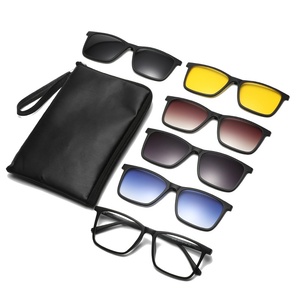
Engineered for commercial resilience, optical prescription glazing, and supreme ergonomic fit. Available for rapid low-MOQ branding and large-scale contract fabrication.
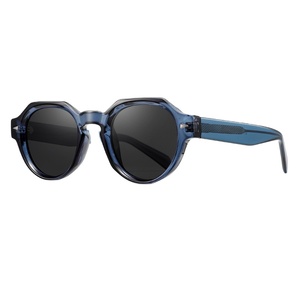
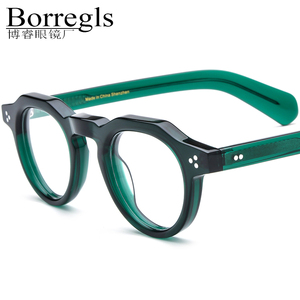
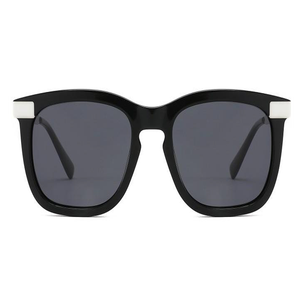
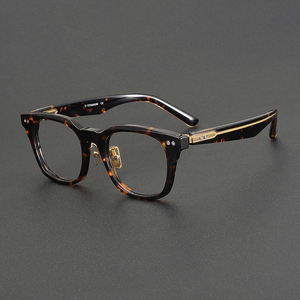
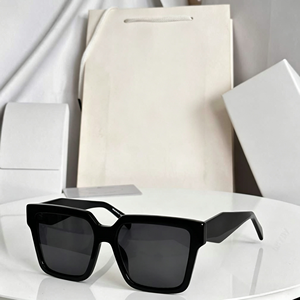
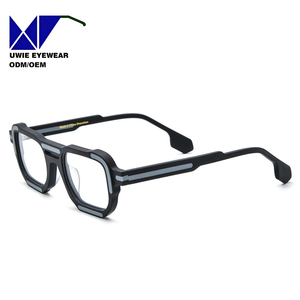
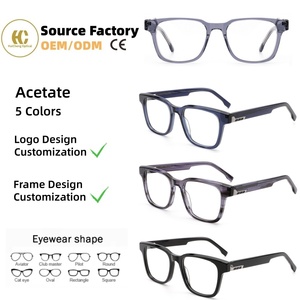
As a tier-one manufacturing powerhouse and direct exporter, we eliminate supply intermediaries by integrating sheet formulation, 5-axis computer numerical milling, metal core lamination, and triple-stage barrel burnishing under one rigorous ISO9001 and CE/FDA audited roof.
We utilize high-density cellulose acetate derived exclusively from organic wood pulp and cotton lint. Unlike cheap injection-molded plastics, our sheet stock maintains deep optical clarity, skin biocompatibility, and non-allergenic comfort.
Precision counts where lens retention and hinge anchoring intersect. Our automated multi-axis milling cells maintain 0.02 mm tolerances across all bevel angles, base curves (Base 2 through Base 8), and temple hinge pockets.
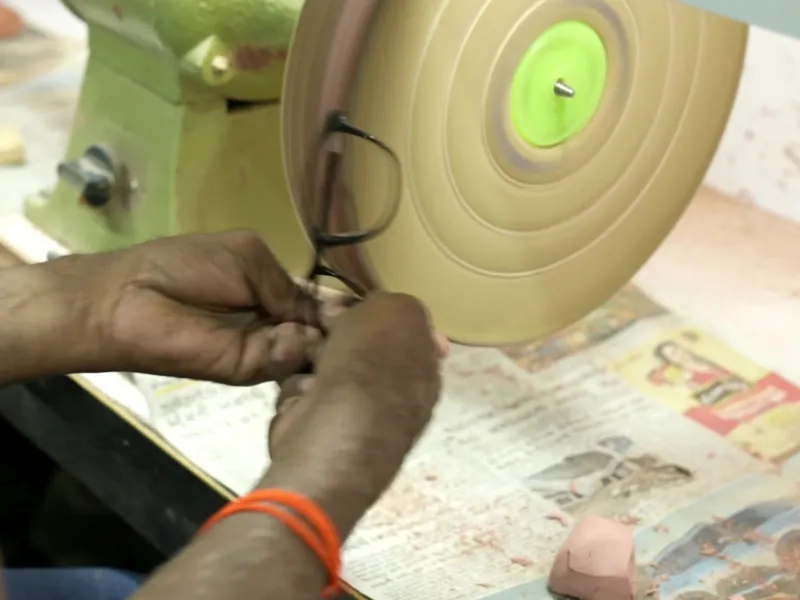
Mirror luster in acetate cannot be sprayed; it must be brought forth mechanically. Our artisanal tumbler regimen subjects milled fronts to dry beechwood pegs, pumice granules, and organic wax emulsions over four successive cycles.

Cellulose acetate represents a distinct class of renewable biopolymer originating from refined cotton seed fluff and wood pulp flake. Unlike injection-molded Grilamid (TR90) or polycarbonate frames which rely on petroleum resins poured into chilled molds, sheet acetate allows continuous molecular orientation.
This structural orientation endows the finished spectacle frame with exceptional tensile yield strength, elasticity, and isothermal stability. When an optician mounts progressive ophthalmic lenses, an acetate frame can be warmed to 60°C (140°F) to softly expand without embrittlement, snapping into place with permanent structural retention.
At our export production hubs in China, each batch of extruded and block-cured acetate is aged for a mandatory 45 to 90 days in humidity-controlled kilns to eliminate internal solvent volatiles, preventing frame warp, temple curvature creep, or shrinkage during overseas freight transport.
While computer-controlled CNC mills dictate symmetry and boxing parameters (such as the international ISO standard boxing system A □ B – DBL – Temple), mechanical tooling unavoidably leaves tool marks across temple shoulders and nose pad junctions.
Every frame exported through our trade lines undergoes multi-stage hand truing and rotary cloth wheel buffing. Skilled craftsmen guide each frame against rotating muslin disks coated with custom tripoli polishing pastes, polishing inner eyewires, end pieces, and nasal contact points to anatomical perfection.
This artisanal bridge between German tooling precision and manual touch ensures our frames meet strict European (EN ISO 12870), American (ANSI Z80.5), and Australian eye health compliance standards before bulk packaging.
Evaluating physical properties, optical glazing suitability, and commercial retail margins across major optical framing materials.
| Evaluation Parameter | Cellulose Acetate (Block Cut) | Injection TR90 (Grilamid) | Ultem (PEI Resin) | Titanium / Acetate Hybrid |
|---|---|---|---|---|
| Raw Material Origin | Renewable Wood & Cotton Cellulose | Petroleum Polyamide Polymer | Polyetherimide Synthetic | Grade 4 Pure Titanium + Acetate |
| Color Depth & Layering | Infinite Lamination / 3D Patterns | Surface Painted / Basic Tinting | Monochrome / Spray Finish | Ion Plating + Stratified Acetate |
| In-Clinic Adjustability | Thermo-Formable with Heat Pan | Difficult (Snaps back to memory) | Rigid (Unadjustable temples) | High (Pliable core wire & temple) |
| High-Rx Lens Compatibility | Superior Rim Thickness Concealment | Moderate | Thin Profiles (Low Rx only) | Excellent |
| Skin Biocompatibility | Hypoallergenic & Warm to the Touch | Inert & Non-toxic | Inert | 100% Bio-compatible & Nickel Free |
| Wholesale Commercial Margin | High Retail Markup (600% - 900%) | Low to Mid Volume Pricing | Economy / Budget Segments | Luxury & Bespoke Designer Tiers |
Stay ahead of global optical market shifts by preparing your inventory and OEM custom tooling for evolving consumer values and technical shifts.
European and North American regulatory bodies are ratifying extended producer responsibility rules. Procurement programs are aggressively transitioning toward Bio-based Acetate utilizing bio-plasticizers derived from vegetable starches instead of phthalates. Certified biodegradable under ISO 14855 standards, our bio-acetate satisfies global ESG compliance without losing gloss or stability.
The era of "one bridge fits all" is obsolete. Top international importers now procure differentiated bridge anatomies: Asian / Universal Fit with deepened, built-out acetate nasal contact pads and relaxed pantoscopic angles; and Standard European Fit engineered for elevated nasal bridges. Our tooling libraries cover both configurations across all core silhouette designs.
Consumer preferences in high-end eyewear have transitioned toward dramatic, bold aesthetic volumes paired with featherweight balance. This is achieved via 8mm-to-10mm thick raw front plates sculpted with diamond-tool chamfered facets, multi-layer color sandwich laminations, and exposed custom filigree wire cores inside crystal-clear temples.
A predictable, sample-approved, step-by-step methodology built over decades to eliminate dimensional inaccuracies and secure market launch deadlines.
We review your vector files, physical samples, or sketches, confirming boxing parameters, groove bevels, and hinge seat angles.
Precision CNC-cut or 3D SLA physical resin mockups delivered within 5–7 working days for physical face fitting and optometric review.
Crafted in authentic production acetate sheet with real barrel hinges, custom wire cores, and laser logo mockups for client sign-off.
Multi-axis milling followed by barrel tumbling, artisanal wheel finishing, ultrasonic cleaning, and drop-ball impact testing.
Barcoding, branded clamshell packaging, drop-tested master cartons, and complete customs documentation for DDP/FOB clearance.
Optical retailers cannot afford frames that fracture during hot-air lens insertion or hinges that lose tension after short wear periods. We protect our importers' reputation through four stringent testing gates:
Our facility holds active certifications for ISO 9001 quality management, CE conformity declarations for the European Economic Area, and FDA registration for the United States medical eyewear sector.
Clear, direct commercial and technical responses addressing minimums, lead schedules, custom tooling, and compliance documentation.
For our ready-production catalog models, our MOQ starts at 100 to 300 pieces per model, with flexible distribution across 2 to 4 stock acetate colorways. For fully custom bespoke OEM shapes requiring unique 5-axis tooling programs or proprietary sheet laminations, our typical production run starts at 500 to 1,200 pieces across your chosen color assortment.
Rapid CAD engineering and 3D visual proofs take 3 to 5 business days. Physical CNC master samples in genuine acetate are delivered in 15 to 25 days. Once the golden counter-sample receives final sign-off, mass production lead times run between 45 and 65 days, depending on order volume and whether specialized tumbling or layered laminations are specified.
Yes. Every export shipment can be supplied with complete test declarations and compliance documentation. For the EU, we comply with Regulation (EU) 2017/745 (MDR) for Class I optical frames and EN ISO 12870 / EN ISO 12312-1 for sunglasses. For the USA, we provide FDA Device Listing registration, Drop Ball Impact Test compliance (21 CFR 801.410), and California Proposition 65 non-toxic verification.
We provide comprehensive private label engineering. Branding techniques include high-definition pad printing, permanent laser etching, metallic foil hot stamping, and custom cast-metal end tip inserts. Additionally, we manufacture customized retail presentation boxes, vegan leather clamshell cases, microfiber lint-free cleaning cloths, and barcode shipping sleeves ready for automated logistics fulfillment.
We machine all eyewires with an industry-standard 110° to 120° V-profile bevel groove at uniform depths of 0.8 mm to 1.1 mm, engineered to accept CR-39, polycarbonate, Trivex, and high-index 1.67/1.74 digital lenses. Front curvatures are standardized to Base 4 or Base 6, ensuring automated edging equipment at optical labs can glaze lenses without frame distortion or push-out.
Yes. Many international brands and optometric retail groups supply physical vintage samples or 2D vector sketches. Our metrology department utilizes 3D optical coordinate measuring scanners to digitize the frame geometry down to ±0.01 mm, optimizing bridge comfort, hinge geometry, and material thickness balance before running pilot tooling.
Whether you are launching a boutique private-label optical line or optimizing container-load procurement for an established retail chain, our engineering team is ready to evaluate your bill of materials, provide rapid sample estimates, and guarantee export-grade optical quality.