Precision-Engineered Cellulose Acetate, TR90, & Titanium Prescription Frames for Global Optometric Brands and High-Volume Importers
Engineered specifically for optometric laboratories and wholesale distribution. Each silhouette is tested for prescription bevel integrity, barrel-tumbling luster, and structural fatigue resistance.
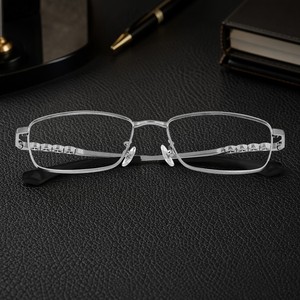
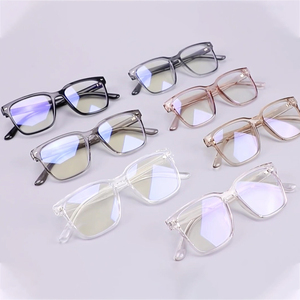
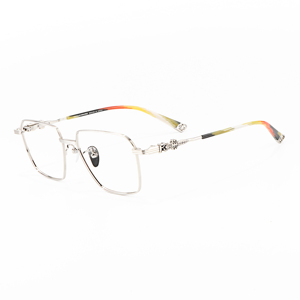
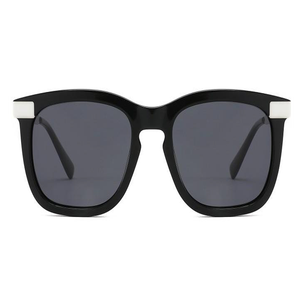
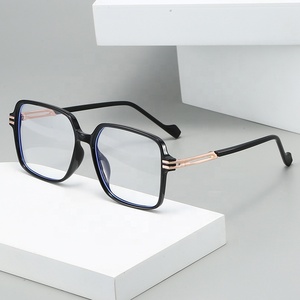
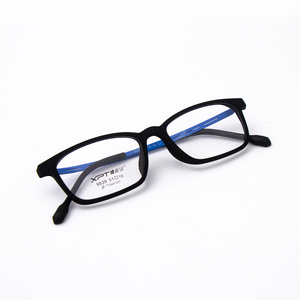
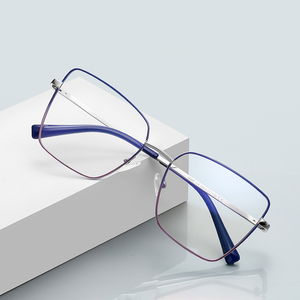
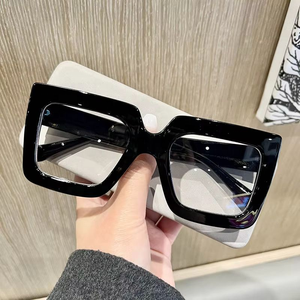
Square optical frames remain an evergreen commercial staple across European, North American, and Asian dispensing practices. However, from a structural engineering standpoint, the square profile presents unique technical hurdles compared to round or oval geometries. The stress concentration at the four cardinal corners of a square eye wire requires precise CAD-engineered bevel depth and bevel angling (typically set between 110° to 125° depending on base curvature) to prevent cold-crack propagation during high-cylinder prescription lens edging.
When producing cellulose acetate square frames, dimensional stability is heavily dictated by sheet curing and residual plasticizer equilibrium. Our production utilizes multi-stage oven annealing at controlled humidity, reducing internal stress within the high-density acetate blocks before CNC multi-axis milling begins. In hybrid titanium-acetate architectures, galvanic corrosion isolation and precision wire-core insertion ensure that temple elasticity remains unaltered even after hundreds of hours of optometric heat-gun adjustments.
Decades of specialized manufacturing focus guarantee repeatable dimensional consistency, rapid OEM turnarounds, and compliance with the world's most rigorous medical device regulations.
Established manufacturing footprint dedicated solely to optical-grade eyewear production. Zero dilution of focus ensures deep technical mastery across raw sheet sourcing and cutter tolerances.
Through-the-section pigmentation guarantees that scuffs or mechanical abrasions never expose secondary substrate layers. We combine cotton-derived bio-acetate with corrosion-resistant beta-titanium.
A CNC machine creates accuracy, but skilled hands achieve everyday wearing comfort. Every square frame completes extensive tumbling polishing followed by hand-buffed bridge radiuses.
Fully certified and audited documentation pipelines customized to EU MDR Class I, FDA 21 CFR 801.410 impact standards, and regional packaging localization requirements.
Strategic insights for brand managers, optical chains, and supply chain directors navigating raw material volatility, regulatory shifts, and consumer demographic movements.
Global optical retail chains are actively phasing out petroleum-dominant injection polymers in favor of certified Global Recycled Standard (GRS) thermoplastics and phthalate-free bio-cellulose acetate. Procurement contracts across the EU and North America increasingly stipulate minimum 40% bio-based or recycled content, requiring OEM factories to offer rigorous chain-of-custody documentation without sacrificing refractive stability or color vibrancy.
Rather than committing to rigid high-volume single-size production runs, tier-one optical distributors are shifting toward modular platform architecture. By keeping the core square front chassis standardized (e.g., standard 54□18 boxing), brands can interchange temple wire-cores, hinge architectures (standard 5-barrel vs. flex OBE spring hinges), and clip-on polarized sun attachments, effectively quadrupling their retail assortment with optimized working capital.
Geopolitical tariffs, freight re-routing, and compliance demands have made sole-source procurement a major operational risk. Enterprise eyewear brands are deploying dual-sourcing strategies, actively pairing East Asian components with specialized Indian manufacturing hubs. This balances cost efficiencies with enhanced duty preferences under GSP and bilateral free trade frameworks.
How aesthetic lines and mechanical advancements are redefining classic geometric silhouettes for contemporary clinical dispensing.
The marketplace has moved definitively beyond thin, flat slab acetate. Current high-end collections feature deep 6.0mm to 8.0mm milled brow-lines paired with precision 45-degree corner beveling. This structural sculpting creates dynamic light reflection across the square profile while strategically concealing the edge thickness of high-minus prescription lenses (e.g., -4.00D to -8.00D), dramatically expanding dispensing eligibility.
The union of high-density cellulose acetate with Japanese or German beta-titanium wire elements represents the fastest-growing design segment. By replacing dense acetate temples with micro-milled titanium temples featuring silicone-sleeved tips, the overall center of gravity moves closer to the wearer's ear, virtually eliminating bridge slippage during extended computer or office use.
With the surge in digital eye strain and early-onset presbyopia, modern square silhouettes are engineered with minimum vertical B-measurements (lens heights) of 38mm to 42mm. This generous vertical clearance ensures adequate corridor progression for free-form digital progressive addition lenses (PALs) and office occupational lenses without truncating intermediate viewing channels.
Transparent commercial and technical clarifications directly addressing tooling, quality assurance, sizing standards, and customization protocols.
We employ custom carbide cutting bits calibrated specifically for the refractive index and hardness of the target acetate or metal rim. Our five-axis CNC milling centers cut the 115° standard optical bevel with a tolerance of ±0.02mm, ensuring that retail optical labs can auto-edge standard polycarbonate, CR-39, or high-index 1.67/1.74 blanks without lens popping or frame distortion.
OEM: You supply 2D technical drawings, 3D STEP files, or a physical master sample; we engineer custom molds, tooling, and execute manufacturing exclusively for your label. ODM: You select proven models from our catalog and customize colorways, nose pads, and eye-boxing dimensions. Private Label: You choose frames currently in production and apply your custom pad-printed logo, custom foil stamping, and bespoke retail packaging.
Frame boxing parameters must align with regional facial morphology. For North American and Northern European wearers, a wider bridge (18–20mm) and longer temples (145–150mm) prevent temporal pinching. For Asian and diverse markets, we engineer alternative-fit bridges (16–18mm) with built-in or adjustable titanium pad arms to maintain adequate vertex distance (12mm) and prevent the square lower rims from resting on cheekbones.
For existing catalog models with stocked acetate sheets, our private label MOQ starts at 300 pieces per model (split across 2 to 3 colorways). Bespoke OEM projects with custom-ordered acetate sheet patterns typically require 600 to 1,200 pieces. Pre-production counter-samples take 15 to 25 days, while full bulk production runs ship within 45 to 60 days following physical sample approval.
We utilize German-engineered OBE flex hinges or high-yield Japanese 5-barrel/7-barrel joints secured with nylon-sleeved micro-screws or thread-locking adhesives. Every batch undergoes 20,000-cycle mechanical fatigue testing under spring tension to verify that hinge tension remains firm throughout the multi-year optical lifecycle.
Yes. We provide complete end-to-end unboxing solutions including FSC-certified rigid boxes, embossed genuine or vegan leather hard cases, microfiber cleaning cloths with digital transfer artwork, serialized barcode stickers, and product specification cards configured to your domestic compliance requirements.
Consult with our optometric engineering team to review 3D files, match acetate color swatches, or request physical pre-production samples. We respond with complete cost breakdowns within 24 business hours.

