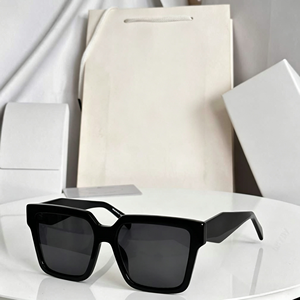
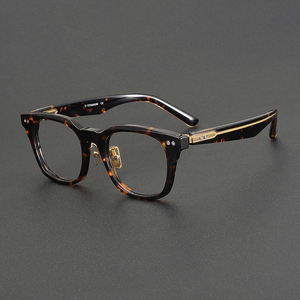
Explore high-velocity frames, magnetic multi-functional clip-ons, custom luxury acetate cuts, and OEM structural hardware built to ISO 12870 & ANSI Z80.3 optical tolerances.
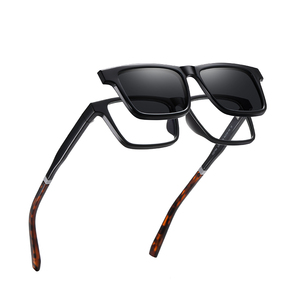
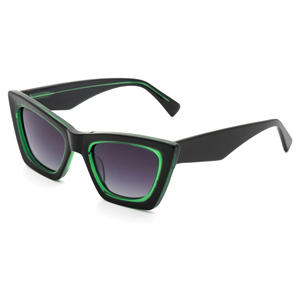
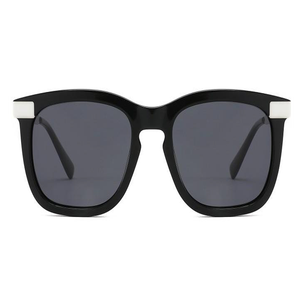

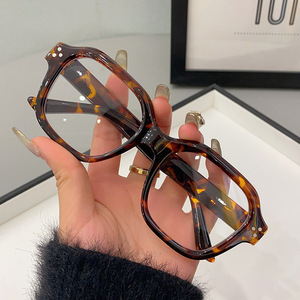
In global B2B procurement, choosing an eyewear manufacturing partner requires vetting far beyond surface catalogue aesthetics. Procurement directors must audit five core competencies: raw material polymer stability, CNC multi-axis tooling, barrel hinge anchorage, optical polarimetric integrity, and export compliance.
Tier-1 manufacturers do not mill fresh extruded sheets immediately. Raw acetate requires dry-kiln curing at controlled 45°C–55°C cycles for 60 to 90 days to release trapped solvents, preventing post-shipment temple shrinkage and rim warpage.
Premium eyewear requires multi-axis digital cutting centers. Tooling paths define face-form wrap angles, dual-bevel lens grooves, and accurate pantoscopic tilt, assuring optical lenses snap into place without peripheral tension stress.
Optical sunglass performance relies on the alignment of polyvinyl alcohol (PVA) polarizing film. Premium manufacturers guarantee a polarization efficiency exceeding 99% and strictly control prismatic deviation under ANSI Z80.3 and EN ISO 12312-1.
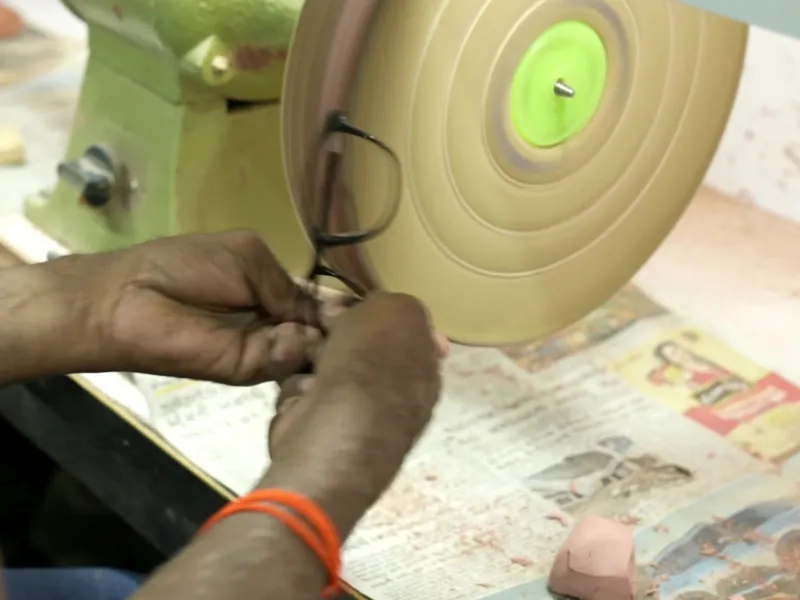
Rushabh Trading Company (RTC Eyewear) has spent four decades operating out of Ahmedabad, Gujarat, India, dedicated entirely to a single product category: premium cellulose acetate optical frames and sunglasses. By uniting computerized multi-axis milling with time-honored artisanal hand finishing, we deliver custom private-label solutions for optical chains and international lifestyle labels across North America, Europe, and the APAC region.
Selecting your partnership tier determines design ownership, tooling investment, prototyping velocity, and delivery predictability. Review our engineering matrix below.
| Production Model | Technical Scope | Tooling / Mold Lead Time | Colorway Flexibility | Ideal Procurement Strategy |
|---|---|---|---|---|
| OEM Engineering | 100% bespoke CAD/CAM from technical sketches, bespoke rim dies, custom-extruded acetate patterns. | 25 - 35 Days | Unlimited (Custom lamination, bi-color acetate sheets) | Established luxury labels, flagship seasonal collections, distinctive proprietary silhouettes. |
| ODM Development | Adaptation of in-house Clarish™ archive shapes; modifications to bridge width, temple drop, pantoscopic tilt. | 10 - 15 Days | 258+ catalog colourways + custom core-wire stampings | Fast-growing independent brands requiring swift market entry with zero design failure risks. |
| Private Label | Existing high-volume production fronts with buyer’s tampo pad printing, laser temple engraving, bespoke packaging. | 3 - 7 Days | Factory batch runs across seasonal trending pigments | Optical retail chains, retail department stores, corporate lifestyle merch, promotional projects. |
| Hybrid Magnetic Eyewear | Combination optical frame with polarized magnetic sun-clips utilizing micro Neodymium NdFeB rare-earth magnets. | 20 - 30 Days | Dual finish (Matte/Gloss fronts + metallic clip-ons) | Modern hybrid retail collections addressing both optical prescription wearers and sunglass users. |
The global eyewear supply chain is pivoting rapidly toward circular sustainability, structural lightweighting, ergonomic inclusivity, and regional manufacturing diversification.
Traditional cellulose acetate synthesizes wood pulp or cotton linters with petroleum-based phthalate plasticizers. Next-generation procurement mandates bio-plasticizers derived from renewable vegetable sources. Sourcing directors must verify ISO 14855 biodegradation certificates and ensure recycled-scrap content achieves a minimum of 28% without degrading mechanical tensile strength or clouding transparency.
Post-minimalism has driven resurgence in heavy 8.0mm to 12.0mm frontal acetate profiles. However, solid 10mm acetate often produces excessive nose-bridge pressure. Leading manufacturers resolve this using internal weight-relief routing—hollowing the inner upper eyewire while preserving the bold external slab profile to maintain all-day wearer comfort.
Consumer demand for 2-in-1 convenience has elevated magnetic clip-on sunglasses from clunky clip accessories to sleek, flush-fitting lifestyle pieces. By embedding sub-millimeter Neodymium permanent magnets directly into the acetate rim corner cores, manufacturers create modular polarized sunglass clips that withstand 65 km/h wind shear while maintaining pristine optical aesthetics.
Historic reliance on static European fitting standards (e.g., standard 18mm high bridge) causes extensive fitting drop-off in diverse global markets. Modern custom suppliers offer built-in multi-fit variants: deep-seated saddle bridges for low nasal bridges, elevated pantoscopic angles, and extended temple ergonomic drops to eliminate slippage across broad demographic profiles.
Concentrating total production volume within single manufacturing corridors poses extreme tariff, logistical, and geopolitical vulnerabilities. Major global optical buying groups are diversifying purchase orders toward legacy centers like Ahmedabad, India. With 40+ years of domestic acetate production, established metal hardware ecosystems, and English-speaking engineering teams, India offers a dependable, highly compliant production base.
While manual wheel polishing is essential for sculptural finishing, early-stage smoothing requires precision multi-stage barrel tumbling. Frames undergo 72 consecutive hours of rotation inside hardwood octagonal barrels lined with untreated Italian beechwood chips, pumice stone granulometry, and botanical carnuba wax pastes to achieve a liquid-like mirror polish that will never flake or delaminate.
Clear, direct technical answers addressing Minimum Order Quantities (MOQs), quality assurance, drop-ball impact testing, and private-label branding execution.
Minimum order quantities depend on sheet availability. For stock acetate colors in our Clarish™ archive (over 258 colourways), MOQs start as low as 300 pieces per model (divided across 2–3 colorways). For entirely custom-formulated or multi-layer laminated acetate sheets, MOQs typically range from 600 to 1,200 pieces to satisfy raw material batch extrusion minimums.
Every lens batch is certified to international optical criteria, including US FDA 21 CFR 801.410 (drop-ball impact test with a 5/8-inch steel ball dropped from 50 inches), ANSI Z80.3, and European standard EN ISO 12312-1. Our TAC and CR-39 polarizers provide certified UV400 protection, blocking 99.9% of UVA/UVB wavelengths up to 400nm without visual chromatic distortion.
We offer an array of branding options: high-adhesion tampo pad printing, computer-guided laser engraving with metallic enamel backfilling, hot-foil metallic stamping, photo-etched core-wire patterning visible through crystal acetate, and custom cast metal end-tip monogram inlays. Custom branded retail packaging (hard cases, micro-fiber pouches, lens cloths, gift cartons) is also supplied.
The complete product development cycle follows a reliable, transparent schedule: CAD drawings and 2D technical specifications are generated within 3–5 working days. Physical CNC prototype samples require 10–14 days for dimensional and fit evaluation. Once physical samples are formally signed off, mass production typically takes 40–55 calendar days, followed by export batch inspections.
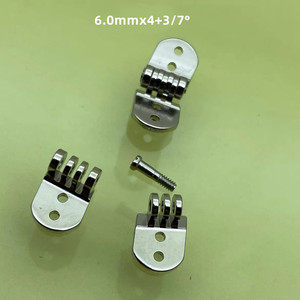
We utilize high-grade nickel-silver 3-barrel, 5-barrel, and 7-barrel hinges, along with precision spring hinges sourced from specialized hardware makers. Hinges are anchored into the acetate body via heat-staking or authentic dual-rivet pinned construction. To prevent loosening, our assembly incorporates Nyloc-coated or thread-locked screws that withstand over 20,000 opening-and-closing test cycles.
Yes. Every acetate sunglass frame we produce features high-precision CNC V-grooves cut at standardized optical bevel angles (usually 110° to 115°). This ensures optical laboratories and optometrists can easily trace the frame, heat the acetate rim, remove tint lenses, and glaze custom prescription single-vision or progressive corrective lenses without risk of frame fractures.
Connect directly with our optical engineering and export team in Ahmedabad, India. We will review your 2D/3D design files or physical reference frames, present acetate material swatches, and deliver a detailed sampling roadmap.