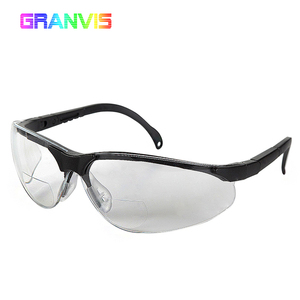
As the epicenter of Asia's contemporary design movements and technological forward-engineering, Seoul has evolved into the high-benchmark proving ground for premium eyewear manufacturing. Custom acetate spectacle manufacturing requires a meticulous union of chemical material stabilization, multi-axis CNC tolerance carving, and artisan-level hand burnishing. Whether serving the avant-garde design houses of Seongsu-dong, high-end ophthalmic chains across Gangnam-gu, or fast-scaling international collections expanding throughout North America and Europe, our industrial manufacturing framework bridges four decades of material pedigree with agile Korean market adaptation.
Review our high-demand baseline designs, combination frames, and structural components engineered for private label branding, low-MOQ rapid sampling, and export-grade volume fulfillment.
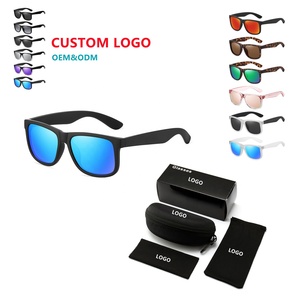
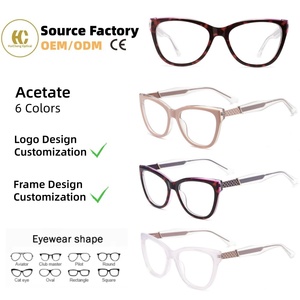
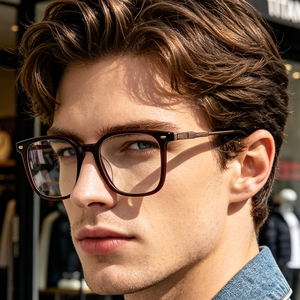
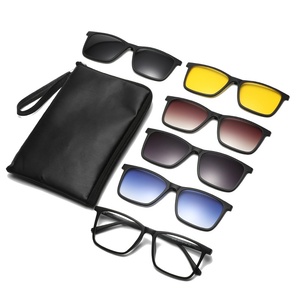
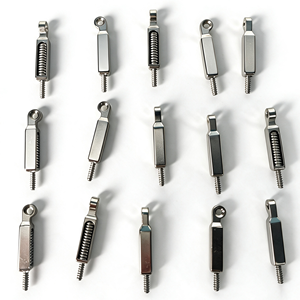
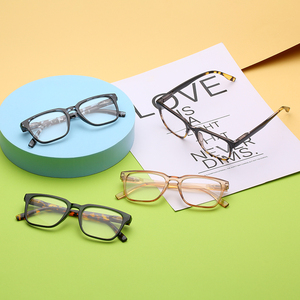
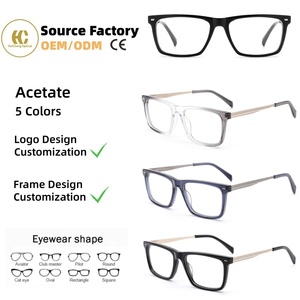
In South Korea, spectacles transcend basic vision correction; they are architectural expressions of identity, digital lifestyle accessories, and precision medical tools. Our manufacturing programs directly support specific localized ecosystems across the Seoul Capital Area and metropolitan markets.
Known as the Brooklyn of Seoul, Seongsu-dong houses Korea’s most influential independent eyewear disruptors and streetwear labels. These brands demand ultra-thick 8mm to 10mm organic cellulose acetate profiles, geometric faceted chamfers, and bespoke translucent gradient laminations.
Surrounding the premier vision care clinics of Apgujeong and Cheongdam-dong, high-net-worth prescription patients require ultra-lightweight, hypoallergenic frames capable of holding high-index diopter lenses without visual rim warping.
As Asia’s historical eyewear trade nexus, the Namdaemun optical market requires turnkey reliability, high stock turnover, standardized boxing measurements, and instant compatibility with high-volume domestic retail dispensing.
Analyzing ergonomic data, cultural shift vectors, and raw material advancements dominating modern Korean eyewear procurement.
Standard European eyewear dimensions fail in the Korean market due to lower nasal root heights, wider zygomatic arches, and prominent cheekbones. Our Seoul-tailored manufacturing features widened 18-21mm keyhole bridges, 12mm elevated integrated acetate pads, and custom metal-arm pad retrofits that prevent ocular slippage and frame-to-cheek contact.
The Ministry of Environment of Korea and eco-conscious youth demographics are accelerating the phase-out of traditional petroleum phthalate plasticizers. We machine biodegradable cellulose acetate synthesized from FSC-certified cotton seed fluff and wood pulp, cured for over 90 days to achieve rock-solid mechanical stability.
Pure acetate frames can generate user fatigue over long working days in corporate Teheran-ro offices. Our factory integrates featherlight Grade 5 Japanese titanium chassis within 4.0mm micro-profile cellulose acetate rims, providing the bold tactile presence of acetate with the featherweight performance of metal.
Detailed mechanical metrics applied during factory CNC toolpath mapping and injection mold tooling.
| Engineering Parameter | Standard Western Export | Seoul Asian-Fit Specification | Functional Clinical Advantage |
|---|---|---|---|
| Nose Pad Projection | 5.5 mm – 7.0 mm | 10.5 mm – 13.0 mm (S-Flange) | Lifts frame clear of cheekbones; optimizes vertex distance |
| Bridge Clearance (DBL) | 16 mm – 18 mm narrow | 19 mm – 22 mm wide saddle/keyhole | Distributes load evenly across broader, flatter nasal bridges |
| Pantoscopic Tilt Angle | 10° – 12° steep downward | 5° – 7° flattened vertical pitch | Prevents rim bottom touching facial cheeks during expression |
| Face-Form Wrap Angle | 4.0° – 5.5° convex curve | 0.5° – 2.0° nearly flat profile | Eliminates peripheral optical prism distortion in high diopters |
| Temple Flare & Curvature | Straight taper inwards | Lateral bow outwards with skull wrap | Eliminates cranial temple-pinch behind temporal bone |
Originating our dedicated manufacturing operations in 1985, we have devoted over 41 continuous years to mastering a single industrial material: high-molecular cellulose acetate. Unlike commercial injection molded polycarbonate or cheap TR90 plastics, premium acetate requires organic aging, specialized milling speed management, and intensive multi-step mechanical tumbling.
Our state-of-the-art facility pairs heavy-duty 5-axis CNC cutters with traditional artisan hand-finishing. We calibrate high-tolerance lens grooves that dispense flawlessly in ophthalmic laboratories, wire-core reinforce every temple for lifelong heat-adjustability, and tumble frames through a meticulous 72-hour cycle with Bavarian beechwood chips and micro-crystalline polishing pastes.
From raw organic acetate sheet seasoning to precision laser branding and final destination compliance packaging.
Raw acetate sheets undergo controlled thermal conditioning for up to 90 days to vaporize residual solvent traces, completely preventing post-production frame shrinkage or structural twisting.
Diamond tooling cuts front ocular curves, bevel depths, and hinge pockets within ±0.05mm tolerances, guaranteeing consistent base-curve conformity across high-volume production runs.
Temples are heated gently to precisely 75°C before high-tensile nickel-silver or stainless steel decorative core wires are hydraulically injected down the longitudinal axis.
Flat milled fronts are clamped into precision curvature dies under calibrated infrared heating elements, permanently establishing 4.0-base to 6.0-base ergonomic orbital wrap profiles.
Frames rotate through three distinct tumbling phases: coarse pumice smoothing, medium pumice blending, and fine walnut-shell luster coating to banish all milling knife step-marks.
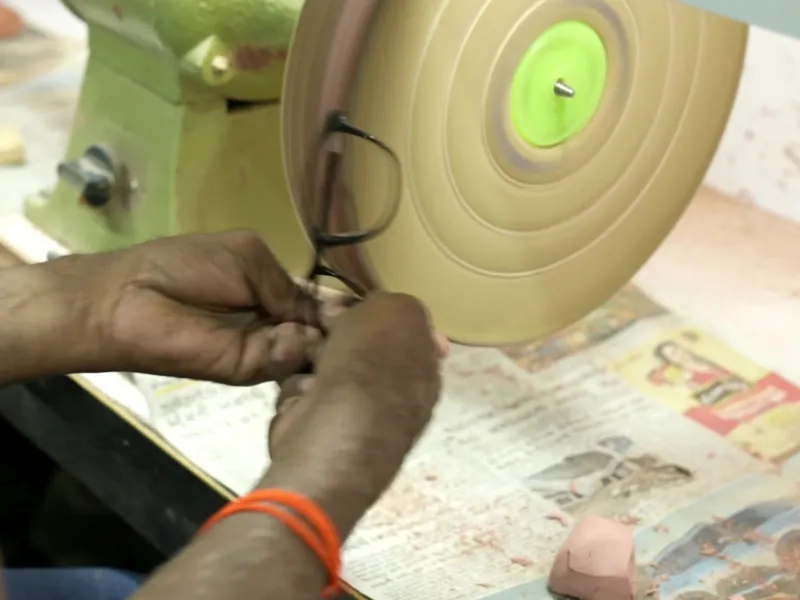
Experienced master polishers finish the bridge, nasal crest, and temple end-tips against cotton buffing wheels with bespoke rouge wax, achieving a signature liquid glass luster.
Five-barrel and seven-barrel functional or decorative hinge systems are pinned through the acetate front and temples using traditional hydraulic rivet staking for lasting durability.
High-resolution fiber lasers permanently engrave temple sizing, batch serials, and private label logos, followed by South Korea KC optical safety inspection and cleanroom boxing.
100% cosmetic visual inspection under 5000K daylight-balanced LED task lamps, 20,000-cycle mechanical spring-hinge fatigue testing, and cross-hatch ink adhesion verification.
Clear, direct answers regarding production capacities, sampling timelines, custom tooling, and legal South Korean regulatory compliance.
For custom private label orders utilizing our active library of 22 in-production base models and 258 sheet colorways, our minimum order quantity starts at 300 pairs per model, divided across up to 3 color variants (100 pairs per color). Completely bespoke tooling and custom proprietary CNC frame profiles start at 600 pairs per design.
Yes. Eyewear products entering the South Korean retail market must comply with the Electrical Appliances and Consumer Products Safety Control Act (Safety Confirmation for Sunglasses and Spectacle Frames). We supply full raw material MSDS documentation, phthalate-free lab test reports, and non-nickel release certifications required by the Korean Agency for Technology and Standards (KATS).
We specifically configure custom nose bridge geometries for our East Asian export programs. Our molds feature increased inner-rim acetate thickness allowing our CNC cutters to carve out steep 11.5mm to 13mm elevated nose pads. Alternatively, we embed German-engineered titanium pad arms directly into the acetate front for micro-adjustable three-dimensional fitting.
Once your vector 2D blueprint or 3D STEP file is finalized, our prototyping department machines physical acetate prototypes within 10 to 14 business days. Bulk production lead times generally range between 45 and 60 days following physical counter-sample sign-off, depending on sheet curing requirements and custom laser engraving complexities.
Cellulose acetate is a plant-derived organic polymer capable of absorbing heat without losing structural memory. Opticians can gently heat an acetate frame to adjust temple bowing, temple tips, and frame wrap around an individual wearer's cranium. Injected plastics like TR90 or polycarbonates cannot be custom-shaped in store and lack the deep, lustrous tactile density of hand-polished sheet acetate.
Yes. We provide complete bespoke packaging ecosystems including hard-shell collapsible vegan leather cases, microfiber cleaning cloths (200-250 GSM) debossed or printed with your branding, rigid presentation boxes, barcoded outer cartons, and custom authenticity guarantee cards suited for direct retail shelf deployment.
Whether you need to scale production on an existing design, optimize fit geometry for the East Asian optical demographic, or develop a proprietary acetate colorway from scratch, our optical engineering team is available for real-time technical consultation.