

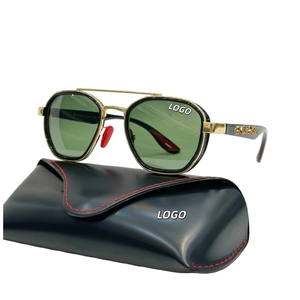
Precision-milled from cured, high-density cellulose acetate sheets and reinforced composite alloys. Engineered specifically for rapid warm-air bead pan adjustments and permanent ergonomic fitting.
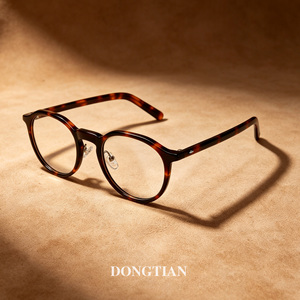
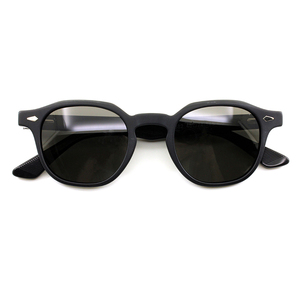
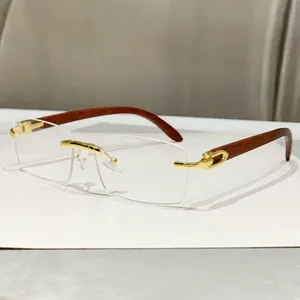
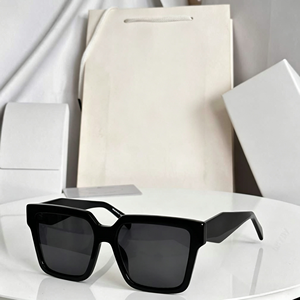
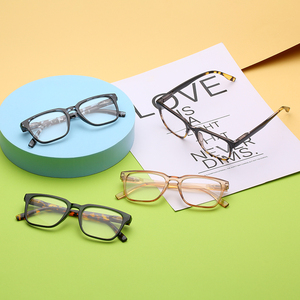
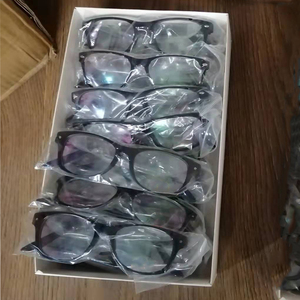

In high-end vision care, the tactile interaction between an optician and a frame defines client retention. Generic injection-molded plastics (such as standard polycarbonate or lower-tier polyamides) exhibit severe thermodynamic limitations: they either lack elastic memory or undergo crystalline fractures when subjected to standard localized thermal manipulation. True heat-adjustable optical frames depend intrinsically on bio-based cellulose acetate—a semi-synthetic biopolymer synthesized from purified cotton linters and softwood pulp reacted with acetic anhydride.
Cellulose acetate exhibits a distinct glass transition temperature (Tg) window typically spanning between 55°C and 70°C (131°F to 158°F). Within this precise thermodynamic threshold, the intermolecular bonds relax into a pliable, viscoelastic state without melting, blistering, or causing plasticizer migration. This allows clinical dispensaries in Boston's optical corridors to modify pantoscopic tilt, bridge splay, temple contouring, and mastoid bends using standard hot-air bench warmers or glass-bead baths in under twenty seconds.
Once cooled back below its transition threshold, cellulose acetate locks into its new morphological matrix via rigid intermolecular rebinding. Unlike thermoplastic injection materials that snap back to an extruded mold memory under body heat, properly cured cellulose acetate preserves its personalized, anatomical contours indefinitely. This eliminates chronic slippage, temple pinching, and uneven nasal bridge distribution.
The Greater Boston metropolitan area represents a distinct, discerning demographic characterized by high-density academic institutions, biotechnology corporate campuses, coastal maritime microclimates, and historic brick-and-mortar retail enclaves. Sourcing optical frames for this region requires acute attention to three distinct localized purchasing scenarios:
Across Cambridge (Kendall Square, Harvard Square) and Boston’s Seaport Innovation District, consumer demand leans heavily toward tailored, intellectual retro profiles—such as classic round tortoise silhouettes and sculpted keyhole bridges. These users spend upwards of 10 hours daily under high-luminosity blue light screens, necessitating precise pantoscopic adjustments that keep customized anti-reflective and therapeutic lenses centered precisely along visual axes.
Boston experiences severe seasonal thermal cycling—from freezing, sub-zero winter winds off Massachusetts Bay to humid, high-UV midsummer conditions. Cheap injection-molded frames become intensely brittle below freezing, leading to hinge shear failures during simple prescription adjustments. Premium cured acetate, integrated with corrosion-resistant nickel-silver or stainless steel wire cores, retains its physical tensile strength and impact resilience through extreme temperature differentials.
From Newbury Street in Back Bay to independent optometry clinics in Brookline, Newton, and Wellesley, optical buyers avoid mass-market commoditized eyewear. They require low-MOQ, private-label bespoke collections with authentic barrel-tumbled polish, rich three-dimensional tortoise layering, and hand-finished temple tips that express old-world artisanal luxury with modern mechanical consistency.
B2B optical procurement in Massachusetts is currently navigating fundamental structural shifts driven by supply chain diversification, sustainability mandates, and precision manufacturing expectations:
US optical brands are transitioning away from high-tariff, sole-source dependencies, systematically establishing manufacturing partnerships with proven Indian industrial centers like Ahmedabad that offer robust metallurgical and polymer heritage dating back decades.
Environmental compliance regulations throughout New England institutions heavily favor biodegradable cellulose formulations utilizing eco-friendly bio-plasticizers derived from renewable sources rather than synthetic diethyl phthalates.
Contemporary Boston fashion preferences combine architectural cellulose acetate rims with ultralight beta-titanium or stainless steel browbars and temples, delivering featherweight all-day comfort with distinct vintage volume.
Independent optical distributors reject inflexible mega-batch minimums. Sourcing programs that provide low initial sampling thresholds (OEM/ODM) allow boutique owners to test custom brand variants across targeted local store footprints.
For more than 41 continuous years, our production facility in Ahmedabad has focused exclusively on one specialized engineering discipline: high-grade cellulose acetate optical frames and sunglasses. We do not manufacture disposable plastic novelties. Every optical chassis destined for export to the US East Coast passes through a comprehensive 8-stage manufacturing architecture:
Raw cellulose acetate blocks are cured and stabilized in humidity-controlled kilns to eliminate internal molecular shear stresses before physical cutting commences.
High-speed multi-axis computer numeric controlled cutters sculpt the rim geometry, rear bevel recesses, and complex custom lens retention grooves with 0.05mm fidelity.
Temples receive extruded internal wire armatures featuring custom decorative embossing, locking in structural memory while allowing precise optometric ear bends.
Components undergo 72 hours of tumbling inside untreated birchwood barrels with pumice and specialized organic walnut granules to polish every radius to seamless comfort.
Technical, logistical, and compliance guidance for procurement officers and retail buyers evaluating custom production runs.
Our frames utilize pure, non-recycled cellulose acetate sheet stock containing regulated plasticizers. When warmed between 55°C and 70°C, the frame yields smoothly to optometric adjustments without surface hazing, chalking, or delamination commonly seen in low-grade plastics.
We provide full OEM and ODM services. Custom temple pad-printing, permanent diamond laser engraving of serial numbers and logos, bespoke metallic core embossing, and custom-branded cases and microfiber cloths are executed precisely to your corporate identity standards.
Physical pre-production prototypes are dispatched within 10–14 days. Production runs typically finalize within 30 to 45 days post-approval. Shipments are consolidated and dispatched via air freight directly into Boston Logan (BOS) or sea freight via New York/New Jersey ports with full export documentation.
Yes. Lens grooves are cut using calibrated CNC profiling tools tailored to standard 4-base and 6-base curves. This ensures uniform bevel depth and width, preventing lens push-out or frame twisting when edging complex high-minus or progressive prescription lenses.
All optical spectacle frames shipped to the United States comply fully with FDA requirements (21 CFR Part 801.410 drop-ball impact resistance testing), complete with formal manufacturer certificates of conformance, commercial packing slips, and standardized international HS codes.
Absolutely. While our standard Clarish™ catalogue features 22 models and over 258 colorways, bridge widths (16mm to 22mm), lens widths (48mm to 58mm), and temple lengths (135mm to 150mm) can be re-engineered at the CAD stage to match your target regional demographic.
Partner directly with Rushabh Trading Company. Access four decades of cellulose acetate engineering, fully customizable low-MOQ programs, and dedicated trade support tailored to your retail market.
Get a Quote