

Diamond-Bevel
For boutique eyewear owners, commercial optical chains, and luxury vision clinics throughout Hanoi—from the historic optical enclaves of Hoàn Kiếm and Đống Đa to high-traffic retail malls in Cầu Giấy and Hai Bà Trưng—procuring authentic Italian-grade Mazzucchelli 1849 cellulose acetate frames represents the peak of retail differentiation. As international trade regulations expand and consumer discernment surges, wholesale importers require verified manufacturing provenance, climatic stability, and responsive production agile enough to meet Vietnam's growing demand for artisanal eyewear.
Engineered to bridge classical European luxury aesthetics with Southeast Asian ergonomic fittings. Each model incorporates hardened core wire channels, barrel-tumbled tactile polish, and multi-barrel pinned hinges suited for professional Rx glazing.
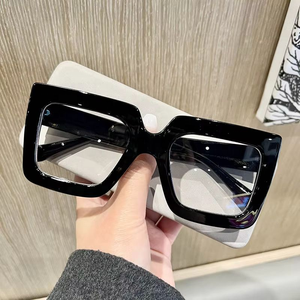
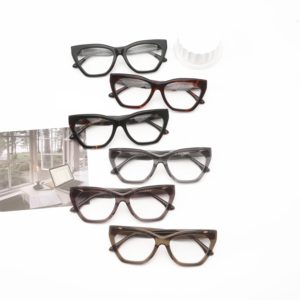
Designing and supplying optical frames for North Vietnam demands profound technical adjustments beyond off-the-shelf catalog selections. Hanoi’s intense seasonal humidity shifts, motorcycle-heavy urban mobility, and regional craniofacial morphologies directly influence polymer performance and optical retention.
Hanoi experiences prolonged relative humidity levels above 85% during springtime "Nồm" weather. Low-grade commercial acetates leach diethyl phthalate plasticizers under these conditions, causing milky surface clouding and temple embrittlement. Our curated Mazzucchelli-standard cellulose sheets utilize bonded organic triethyl citrate stabilization, preventing moisture absorption and ensuring crystal-clear gloss retention indefinitely across Red River Delta seasons.
Standard European bridge arches (18–21mm width with flat nasal pads) slip on shallower nasal roots, resting improperly on cheekbones in humid conditions. Our Hanoi export catalog utilizes modified saddle and keyhole bridge designs (16–18mm bridge splay, 4.5mm–6.0mm pad build-ups) created through multi-axis CNC nose pad contouring. This ensures weight-distributed, slip-free resting points compatible with Vietnamese facial structures.
Two-wheeler transport dominates urban Hanoi commuting along congested thoroughfares like Kim Mã and Giải Phóng. Standard hook-curved temples press painfully under tight motorcycle helmet linings. We configure frames with tapered paddle temples and reinforced, heat-adjustable nickel-silver wire cores that slide cleanly into helmet padding while maintaining firm mastoid anchoring.
A direct technical comparison highlighting why authentic block-machined cellulose acetate remains the definitive standard for premium optical practices in Hanoi compared to injection polymers.
| Performance Attribute | Mazzucchelli Block Acetate | Injection Molded TR90 / Grilamid | Standard Injection Polycarbonate (PC) |
|---|---|---|---|
| Base Composition | Plant-derived cellulose acetate (cotton/wood flake) | Petrochemical polyamide thermoplastic | Bisphenol-A derived synthetic thermoplastic |
| Color Depth & Patterning | Multi-Layer Laminate Intrinsic deep strata, tortoiseshell, organic crystal | Surface-applied film or pigment wash; uniform appearance | Surface painted or spray lacquered; prone to scratch reveal |
| Thermal Glazing Adjustability | Exceptional Malleable at 60°C–70°C; opticians can bend cold or hot | Difficult; returns to memory mold; poor bench adjustment | Zero Adjustability Snaps under thermal adjustment strain |
| High-Diopter Rx Retention | Machined 0.05mm V-groove grips thick, high-minus lenses solidly | Tends to buckle or bow under strong prescription tension | Brittle bevel walls prone to edge chipping over time |
| Refinishing Potential | 100% Buffable Scuffs can be polished back to factory luster | None; damaged surface cannot be tumbled or refinished | None; scratches permanently penetrate structural coat |
Vietnam's optical sector is undergoing rapid transformation, fueled by middle-class expansion, increased digital screen exposure, and a shift toward heritage luxury accessories.
Consumers in Hanoi’s central districts no longer treat eyeglasses purely as corrective medical appliances; eyewear has evolved into a primary fashion signature. Optometry retail boutiques around Tràng Tiền and Vincom Bà Triệu report increased demand for thick-gauge (6mm–8mm) acetate profiles, classical havana tortoiseshells, and architectural beveling, moving away from generic frameless metal units.
As tropical contact dermatitis remains a frequent clinical complaint during North Vietnam's hot, humid summer season, opticians face scrutiny regarding frame composition. Dermatologically tested cellulose acetate contains non-petroleum plasticizers, rendering it inert, hypoallergenic, and impervious to reactive skin perspiration—a major selling proposition for clinics in Ba Đình and Tây Hồ.
With Hanoi's booming tech startup sector in Cầu Giấy and university corridors, over 65% of optical clients specify prescription blue-block or photochromic transitions. Acetate frames must feature precision-cut optical grooves capable of accepting premium 1.67 and 1.74 ultra-high-index lenses without front-face chassis distortion or rim stretching.
Young creative entrepreneurs across Hanoi are establishing independent local eyewear labels. Rather than stocking mass-market branded inventory with razor-thin margins, they partner with manufacturing exporters to engineer bespoke house-brand capsule collections in smaller, agile batches (100–300 units per sku) with customized Vietnamese packaging.
Every piece exported to North Vietnam undergoes eight rigorous manufacturing stages, pairing state-of-the-art multi-axis CNC machinery with time-tested manual bench artisanship.
Premium acetate slabs rest in controlled drying kilns to relieve internal molecular stress and eliminate shrinkage risk prior to cutting.
Diamond-tipped tooling mills lens eyewires, perimeter chamfers, and temple core profiles with micrometer precision (±0.05mm).
Frame blanks undergo 72 consecutive hours of dry tumbling across graded birchwood pegs, pumice chips, and polishing pastes.
Master artisans hand-buff frame faces and bridge contours on rotating cotton wheels, producing deep, glass-like light refraction.
Clear, definitive operational guidance covering customs clearance, minimum orders, climatic compatibility, and technical customizations.
Backing every shipment is four decades of manufacturing focus. Founded in 1985, our facility has maintained dedicated specialization in one material class: premium cellulose acetate eyewear.
With over 40 years of continuous eyewear production, our tooling libraries, craftsman polishing mastery, and engineering standards are established directly within the industrial capital of Ahmedabad, ensuring dependable cost structures and scalable bulk outputs for fast-growing global markets.
Our workshop houses computer-numeric-controlled milling centers dedicated to tight structural margins: precision-milled hinge pockets, stable core wire insertion, and consistent optical rim contours that ensure optical lenses seat cleanly on the first try without bench refitting.
From initial sheet thickness verification and wire embed alignment checks to 3-point barrel hinge tension testing and drop-ball optical impact resistance, every export production run is fully documented and pre-approved by sample reference before final dispatch.
Plan your next seasonal collection, request technical spec sheets, or order physical acetate material swatches calibrated for the Hanoi and wider Vietnam optical market. Our export team coordinates design files, customs documentation, and sampling runs directly with your procurement department.