

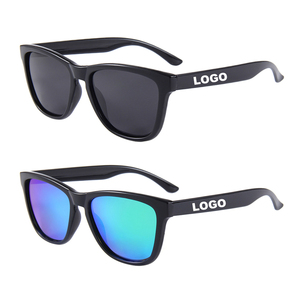
Precision Optical Frames Ready for Private Label Pad Printing
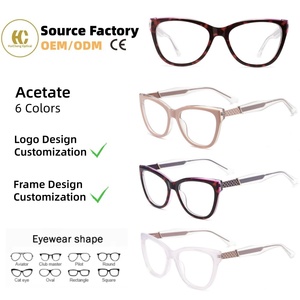
Every model features high-density cellulose acetate, CNC-contoured temple sections, and engineered pad printing contact surfaces tailored for lasting cosmetic adhesion and Japanese market acceptance.
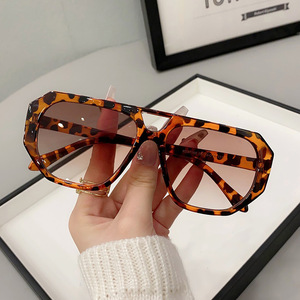
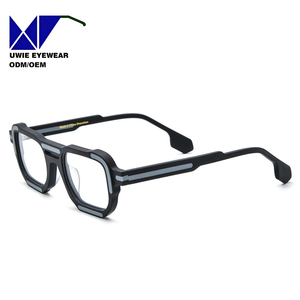
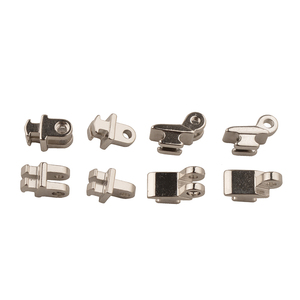
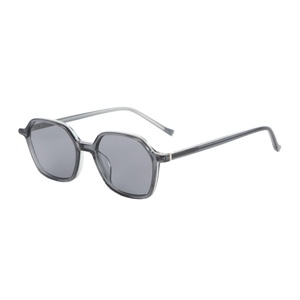
Technical Whitepaper
Engineering Structural Reliability & High-Definition Pad Printing for Nagoya's Eyewear Supply Chain
In modern optical manufacturing, achieving sharp, smudge-free, and chemical-resistant pad printing (tampography) across cellulose acetate and high-performance polycarbonates represents a pinnacle challenge. For eyewear brand houses and optical distribution partners across Nagoya, Sakae, and the broader Chūbu region, consumer expectations do not tolerate aesthetic defects. Markings on inner temples, including boxing sizing metrics (e.g., 54 □ 18 – 145), CE/JIS compliance indicators, and delicate brand typography, must remain crisp throughout thousands of abrasive hinge cycles and constant skin-lipid exposure.
41+
Years Manufacturing (Est. 1985)
±0.02mm
Tampography Plate Registration
258
Master Cellulose Colourways
100%
Batch Cross-Hatch Adhesion Tested
Micro-Molecular Ink Adhesion on Organic Cellulose Acetate
Unlike standard injection-molded plastics that accept generic solvent-based inks, high-density cellulose acetate is a plant-derived biopolymer that breathes and flexes under thermal changes. RTC Eyewear deploys specialized two-component polyurethane and epoxy-based pad inks formulated with reactive cross-linking hardeners. Prior to stamping, the acetate substrate undergoes microscopic surface de-greasing and, where specified, controlled corona discharge or mild flame pretreatment. This increases surface energy from below 34 dynes/cm to above 42 dynes/cm, enabling deep molecular wetting. As a result, the cured pad-printed logo resists artificial perspiration (acidic and alkaline tests according to ISO 12870 protocols), ethanol sterilization wipes, and ultrasonic optical bath cleaning without flaking or edge bleed.
Multi-Axis Silicone Pad Dynamics for Ergonomic Curved Temples
Nagoya's eyewear consumers favor ergonomic temple tapers designed for Asian fit geometries—featuring dynamic temple curves, custom bridge setbacks, and optimized pantoscopic tilt. Printing on non-planar surfaces leads conventional suppliers to suffer optical distortion, ink squidge, and incomplete character transfers. We counteract this using customized elasticity-rated silicone pads (ranging from 6 Shore A to 18 Shore A) molded with parabolic profiles. Combined with ultra-fine chemical-etched steel cliché plates (depth regulated precisely between 18 and 24 microns), our pad printing process deposits uniform 4-micron ink layers with razor-sharp edge fidelity, allowing miniscule fonts down to 0.45mm cap height to print legibly on both inner curved temples and high-relief acetate hinges.
Localized Optical Applications across Nagoya & Aichi Prefecture
Our engineering and export logistics are meticulously matched to meet the operational demands of the Japanese eyecare retail infrastructure and regional brand distribution models.
High-Density Retail Chains (Sakae & Meieki)
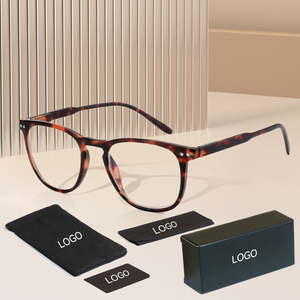
For high-traffic retail boutiques around Nagoya Station and Sakae, turnaround speed and flawless private branding on clear reading glasses and blue-light computer eyewear allow optical chains to introduce proprietary seasonal SKUs with minimal tooling lead times.
Automotive & Industrial Optical Safety Lines
Aichi is Japan’s manufacturing heartland. We engineer durable pad-printed technical indicators, batch traceability coding, and scratch-resistant coatings for optical safety frames and polarized driving glasses deployed across Toyota-affiliated corporate supplier teams.
Independent Heritage Boutiques & Ophthalmic Clinics
Independent practitioners in urban Nagoya require bespoke low-batch private label lines with Asian-fit nose pads, barrel spring hinges, and subtle matte metallic tampography markings that communicate luxury and optical prescription integrity.
Emerging Eyewear & Surface Finishing Trends in Japan
Strategic product development for the Chūbu metropolitan zone requires forward-looking adherence to design evolutions, material sustainability, and regional regulatory compliance.
Eco-Acetate & Low-VOC Inks
Japanese procurement mandates increasingly specify bio-cellulose acetates containing non-phthalate plasticizers paired with low-VOC, heavy-metal-free inks compliant with strict Ministry of Health regulations.
Minimalist Tone-on-Tone Pad Marks
Nagoya consumers lean toward discreet luxury. High-contrast white markings are shifting toward translucent gloss varnishes or subtle warm metallic foils applied to matte-finished acetate surfaces.
Hybrid Laser-Tampography Workflows
Combining deep micro-laser etching with secondary pad print ink infill delivers permanent physical recess protection against facial oils while maintaining vibrant, high-pigment typography.
Traceability & Data Matrix Printing
With increasing direct-to-consumer digital verification, high-resolution micro-QR and serial numbering pad printing enable end-to-end provenance mapping from the export dock to the dispensary.
Factory-Direct Engineering Prowess & Four Decades of Heritage
Established in 1985, Rushabh Trading Company (RTC Eyewear) bridges advanced CNC manufacturing precision with artisan hand-finishing to satisfy the planet's most stringent quality inspectors.
Since 1985: Single-Category Focus
Over 41 years dedicated exclusively to cellulose acetate and optical framing. Our depth of institutional knowledge resides directly in raw material curing, sheet selection, and cutter RPM calibration.
CNC Machining & Artisan Buffing
Machines provide micrometer precision for lens grooves and multi-barrel hinge seats; experienced craftsmen provide the comfort through extended barrel pumice tumbling and manual buffing wheel finishing.
Pre-Production Sample Approval
We enforce a rigorous "Sample First, Scale Second" protocol. Golden samples with finalized pad-printed logos, boxing measurements, and custom packaging must be physically countersigned before bulk extrusion begins.
Export-Compliant Packaging
End-to-end export administration: compliant Japanese customs invoicing, bilateral tariff classification assistance, master carton moisture barriers, and retail-ready custom barcode labeling.
Frequently Asked Questions for Nagoya Importers
Answers to common operational, technical, and logistics inquiries from purchasing departments, OEM brand owners, and wholesale trading entities.
What ink systems are utilized for acetate pad printing, and do they meet Japanese environmental standards?
We utilize premium two-component polyurethane and epoxy pad inks blended with non-toxic curing agents. Formulations are fully compliant with Japan's Food Sanitation Act and Household Goods Quality Labeling Act where applicable, completely free of restricted heavy metals (lead, cadmium, hexavalent chromium), and formulated with low VOCs to ensure safety against long-term dermal contact.
How do you guarantee pad print alignment consistency across large bulk runs?
Consistency is assured through custom CNC-machined aluminum nesting jigs dedicated to each specific temple model profile. By stabilizing the organic curves of the frame within ±0.02mm, our pneumatic multi-axis pad printers transfer ink without parallax shift or angular deviation across runs of tens of thousands of units.
Can your factory accommodate private label temple marking in standard Japanese boxing formats?
Yes. We regularly execute complete temple marking layouts following international boxing systems (Lens Width □ Bridge Width – Temple Length, e.g., 55 □ 19 – 145) alongside your specific model numbering, custom Japanese katakana/kanji typography, brand logotypes, and CE/UKCA certification emblems.
What are the typical sample lead times and MOQ requirements for Nagoya-bound shipments?
Physical countersamples with customized pad printing are typically dispatched within 7 to 14 working days following cliché vector sign-off. Bulk order production lead times generally range from 30 to 45 days, depending on material complexity and sheet curing states. Minimum order quantities (MOQs) are structured flexibly per SKU to assist brand development programs.
How does pad printing compare with laser engraving for optical frame branding?
Pad printing offers superior chromatic versatility, enabling exact Pantone and DIC color matching, metallic pigments (gold, silver, bronze), and high contrast on darker acetates. Laser engraving physically cuts into the material, creating permanence without color addition. For top-tier projects, we combine both: laser recessing followed by precision pad ink infill.
Architect Your Custom Eyewear Line for Nagoya Today
Consult directly with our engineering and export team. Send your technical drawings, reference styles, or brand concepts to receive material samples, pad printing cliché specs, and transparent manufacturing estimates.
Inquire Now