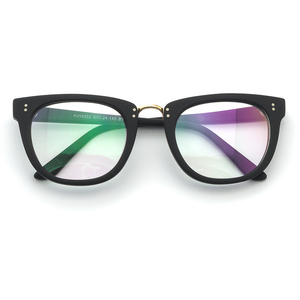
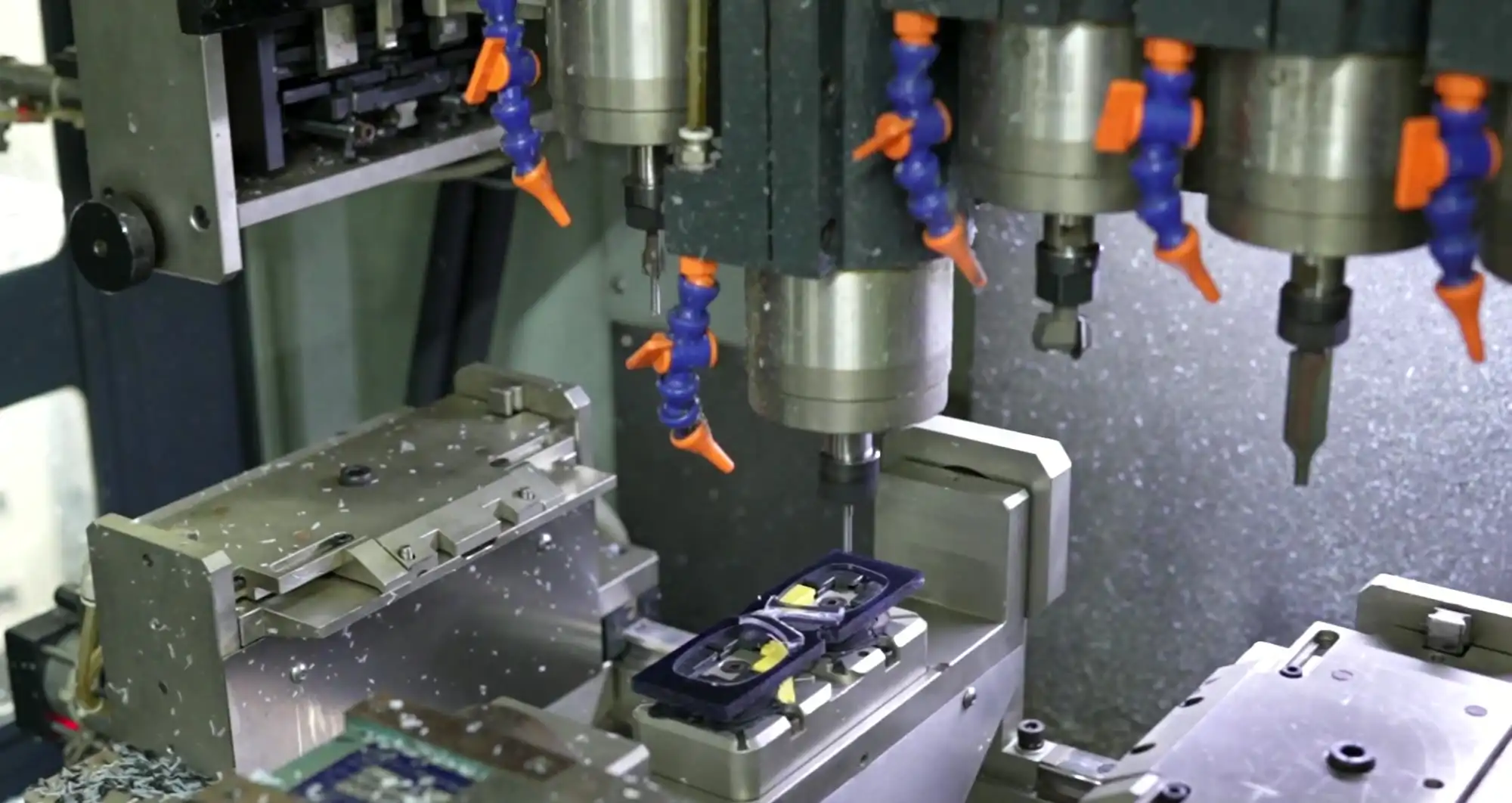
Engineered specifically to satisfy German DIN EN ISO standards and European CE Class I medical/PPE guidelines. CNC precision milled fronts paired with multi-layer vacuum blue-attenuation optics.
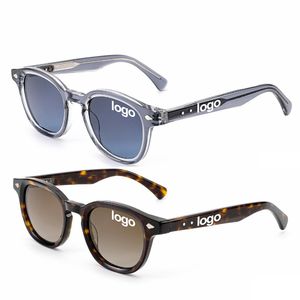 Handmade Acetate
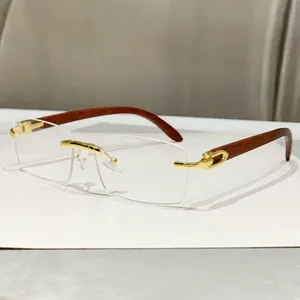 Architectural Rimless
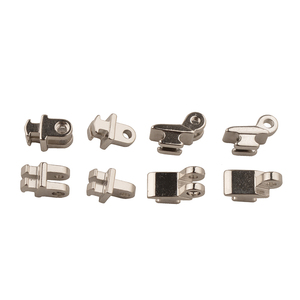 Precision Hardware
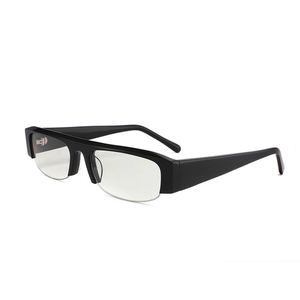 Executive Half-Rim
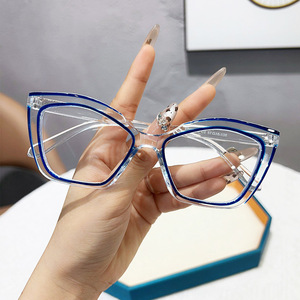 Optometrist Lab Ready
 High-Fashion Ergonomics
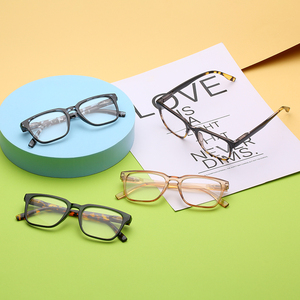 Screen & Reading
Sourcing computer and blue light blocking eyewear for the Federal Republic of Germany requires an understanding of technical norms, occupational workplace directives, and meticulous quality management.
The German eyewear market is one of the most discerning commercial arenas globally. Unlike markets characterized by rapid disposable fashion turnover, buyers across Hamburg, Munich, Frankfurt, and Berlin evaluate eyewear imports primarily through the dual lenses of Werkstoffqualität (material integrity) and Normenkonformität (regulatory compliance).
With statutory occupational safety bodies like the Deutsche Gesetzliche Unfallversicherung (DGUV) publishing stringent guidelines on visual ergonomics at video display terminals (under DGUV Grundsatz 250-008 and DGUV Information 212-016), commercial buyers no longer treat blue light glasses as novelty accessories. They are deployed as certified ergonomic work equipment (Bildschirmarbeitsplatzbrille).
For global factories supplying German distributors, every parameter matters: the exact spectral attenuation cutoff (blocking harmful High-Energy Visible radiation between 415 nm and 455 nm while allowing beneficial circadian frequencies between 465 nm and 495 nm), hypoallergenic acetate formulation without diethyl phthalate plasticizers, and microscopic mechanical tolerances that ensure effortless lens glazing in local optical workshops.
An objective evaluation of the leading OEM/ODM manufacturing ecosystems serving German optical chains, corporate procurement groups, and private label innovators.
| Rank / Manufacturer Hub | Core Specialization | Material Benchmark | EU/DIN Regulatory Standard | Lead Time & Scalability | German Sourcing Rating |
|---|---|---|---|---|---|
| 01. Rushabh Trading Co. (RTC Eyewear) | Full-Spectrum Acetate OEM/ODM & Private Label | Plant-Based Cellulose Acetate (41+ yrs heritage) | DIN EN ISO 12870, CE MDR Cat I, REACH compliant | 35–45 Days (Batch-controlled sampling) | Tier-1 Exemplary |
| 02. Belluno Optical Consortium Hubs | Luxury Artisanal Crafting | Mazzucchelli 1849 Extruded Acetate | CE PPE Cat I, UNI EN ISO 8980-3 | 75–90 Days (High tooling premium) | Tier-1 High-End |
| 03. Wenzhou High-Volume Industrial Cluster | Rapid Commercial High-Volume Runs | Injected TR90, CP & Basic Acetate | Standard CE Marking, Generic EN 166 | 30–40 Days (Mass production focus) | Tier-2 Commercial |
| 04. Shenzhen Precision Optical Parks | Advanced CNC Titanium & Hybrid Frames | Beta-Titanium with Acetate Inlays | ISO 9001, RoHS, REACH Annex XVII | 45–60 Days (Tech-specialized) | Tier-1 Tech Grade |
| 05. Rathenow Optical Manufacturing Hub | Domestic German Finishing & Glazing | Pre-machined Blanks & Mineral Glass | DIN 58165, DIN EN ISO 9241 Ergonomics | 14–21 Days (Local assembly only) | Tier-1 Domestic |
| 06. Danyang Lens & Optics Concentrated Base | Coated Monomer Optical Lens Blanks | CR-39 (1.56, 1.60, 1.67) + Blue-Cut Dip | DIN EN ISO 8980-1, EN ISO 12312-1 | 25–35 Days (Lens specialist) | Tier-2 Component |
| 07. Sabae Artisanal Guild Workshops | Master Polishing & Celluloid Engineering | Hand-cured Japanese Celluloid & Acetate | JIS T 7333, ISO 12870 High Artistry | 90–120 Days (Very low batch capacity) | Tier-1 Boutique |
| 08. Ahmedabad Cellulose Engineering Works | Sustainable Cotton-Fibre Bio-Acetate | Eco-grade Plasticizer-Free Cellulose Flakes | REACH SVHC Free, EN 14139 Reading Standard | 35–50 Days (Balanced ESG profile) | Tier-1 ESG Ready |
| 09. Jura Valley Micro-Precision Plants | Mechanical Spring Hinges & Rimless Hardware | Surgical Stainless & German Silver Wire | DIN EN 1811 Nickel Release Safe | 60–75 Days (Hardware precision) | Tier-1 Ancillary |
| 10. Xiamen Injection Moulding Facilities | Cost-Optimized Ergonomic Safety Frames | Polycarbonate & Grilamid TR90 | EN 166 F High-Velocity Impact | 20–30 Days (Industrial safety focus) | Tier-2 Utility |
How customized blue light blocking frames solve visual ergonomic, operational, and commercial compliance challenges across distinct German enterprise and consumer touchpoints.
Under the German Arbeitsschutzgesetz (ArbSchG) and Bildschirmarbeitsverordnung, German employers are legally obligated to evaluate workplace eye strain. Mid-to-large enterprises in financial centers like Frankfurt and Stuttgart provide customized, non-prescription and prescription blue light glasses as subsidized preventive health equipment.
Over 11,000 independent optical shops in Germany demand frames that respect traditional glazing craft. Milled cellulose acetate allows German opticians to easily heat the eyewire on bench air warmers, securely seat high-index prescription lenses without stress cracking, and manually adjust temple curves.
Fast-scaling lifestyle eyewear startups in Berlin and Zurich require boutique aesthetics coupled with reliable B2B drop-shipping and bulk fulfillment capabilities. They prioritize sustainable storytelling, distinct European color profiles, and ready-to-retail luxury packaging.
The German optical trade is experiencing a massive pivot toward Circular Materiality (Kreislaufwirtschaft). With stringent packaging laws (VerpackG) and EU supply chain due diligence mandates (Lieferkettensorgfaltspflichtengesetz), distributors favor manufacturers who manage scrap acetate recovery, maintain transparent supply chains, and eliminate fossil-fuel injection plastics.
Simultaneously, the technical definition of "Blue Light Protection" has matured. Sophisticated German optometry professionals discard lenses with generic yellow tints or reflective purple glares that distort natural chromatic perception. The standard of 2026 is Clear HEV 420 Shielding: monomer-embedded pigments absorbing high-energy violet-blue photons (400–420 nm) with 95%+ luminous transmittance in the 480–780 nm spectrum.
Furthermore, hybrid functional eyewear—combining anti-blue-light filters with prescription reading segments or photochromic transitions—now constitutes over 38% of new private label inquiries across Central Europe.
Founded in 1985, RTC Eyewear pairs 41 years of cellulose acetate manufacturing expertise with modernized multi-axis CNC tooling, offering an uninterrupted bridge between raw sheet material and European distribution.
We source ultra-dense plant-cellulose sheets, aged in climate-controlled curing chambers to release internal residual stress, preventing post-production frame warping or shrinkage.
Custom 5-axis routers cut internal bridge facets, lens rim bevels, and recessed hinge beds directly according to your CAD drawings with zero heat deformation.
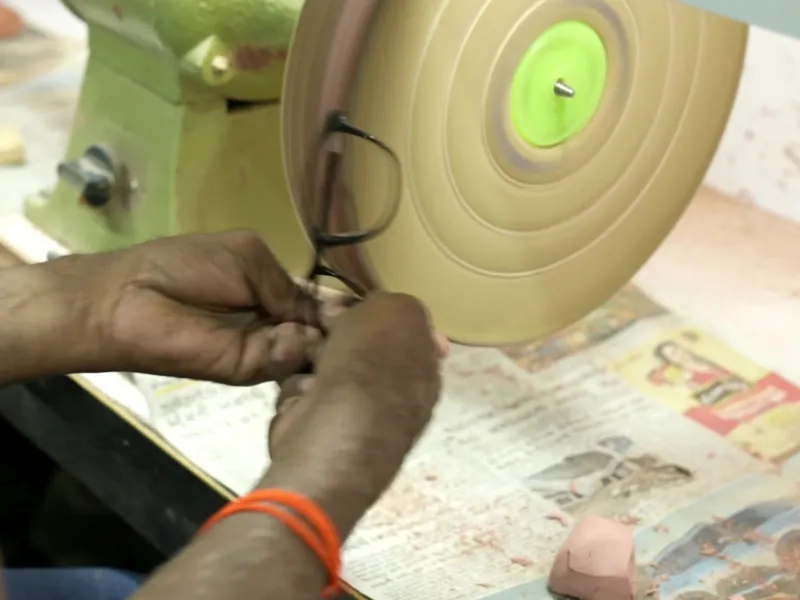
Frames undergo 72 hours of multi-stage dry and wet barrel tumbling in German beechwood granules infused with pumice, rounding edges organically without eroding sharp design lines.
Every batch shipped to Hamburg or Rotterdam includes complete material test reports (MTR), nickel release verification, UV400/HEV spectrophotometer graphs, and CE conformity docs.
Direct answers to the regulatory, material, logistical, and commercial questions raised by German purchasing directors and optical importers.
Connect directly with our engineering and export team. Request our complete 2026 technical catalog, material swatches, CE/REACH compliance files, or schedule a custom sampling run for your brand.
Contact Us