Precision-milled optical spectacle frames and fashion sunglasses built for Polish private labels, boutique opticians, and e-commerce brands.
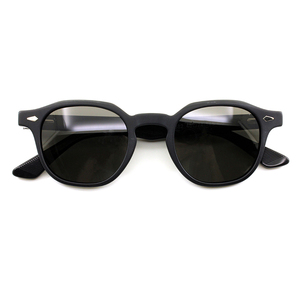

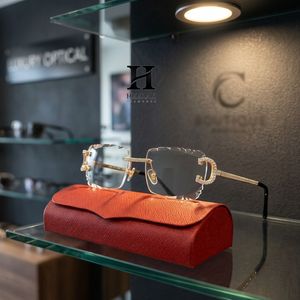
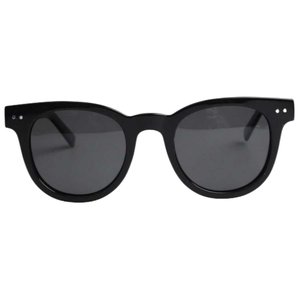
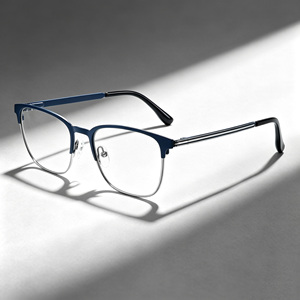
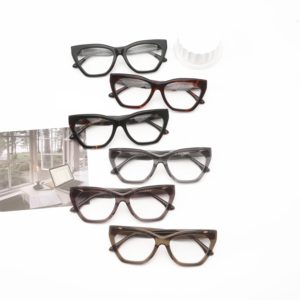
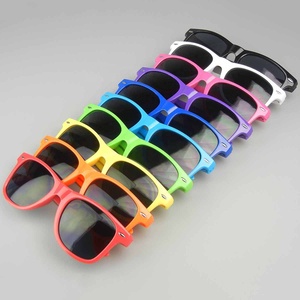
The Polish eyewear and optical dispensary ecosystem—anchored across major commercial hubs such as Warsaw (Mazovia), Kraków (Lesser Poland), Poznań (Greater Poland), and Wrocław (Lower Silesia)—is experiencing an aggressive transition from generic mass-market imports toward personalized, high-value acetate collections and ultra-lightweight titanium frames. Driven by changing reimbursement policies under the National Health Fund (Narodowy Fundusz Zdrowia - NFZ) and an increasingly design-conscious demographic, Polish optical chains and independent boutiques are redefining their procurement criteria.
In modern eyewear manufacturing, laser engraving is no longer merely a decorative flourish. Under European Union Regulation (EU) 2017/745 on Medical Devices (MDR), corrective optical frames imported into Poland must carry unalterable, legible, and non-toxic identification markings. These include the CE mark, European model nomenclature, international boxing system dimensions (such as 54 □ 18 – 145), traceability batch numbers, and manufacturer or authorized representative identification (EC REP). Traditional silk-screen or pad printing degrades prematurely under contact with human perspiration, sebum, cosmetics, and ultrasonic cleaning baths, failing durability benchmarks codified in EN ISO 12870:2018.
Consequently, optical procurement teams across Poland are turning to specialized original equipment manufacturers (OEM) and private-label partners capable of delivering cold UV laser photo-ablation and fiber laser annealing directly on the factory floor prior to final export boxing.
Evaluating wavelength, heat-affected zone (HAZ), and structural integrity across optical materials.
Operates via photochemical ablation rather than thermal burning. By breaking chemical bonds at a molecular level without heat generation, it prevents yellowing, carbonization, or micro-cracks on premium cellulose acetate sheets and nylon lenses.
Indispensable for Grade 2 pure titanium and beta-titanium spectacle temples. Allows calibrated pulse duration control to achieve permanent titanium annealing (oxidation colors) without vaporizing protective IP (ion plating) anti-corrosion layers.
Optimized for rapid surface serialization and carton marking on wooden cases, microfiber cleaning cloths, and injection-molded polycarbonate promotional sunglasses. Highly cost-effective for large-volume retail campaign runs.
A benchmark evaluation of verified eyewear manufacturing and laser engraving facilities capable of handling B2B supply contracts, DDP logistics into Polish logistics centers (Warsaw, Gdańsk, Katowice), and full compliance with European consumer safety mandates.
| Rank & Manufacturer | Core Manufacturing Hub | Specialization & Materials | Laser Engraving Capabilities | EU / Polish Certification | Recommended Buyer Profile |
|---|---|---|---|---|---|
| 01. RTC Eyewear (Rushabh Trading Co.) | Ahmedabad, India | Cellulose Acetate, Titanium, Custom Hinges | Cold UV 355nm, Sub-micron Core Etching | CE, ISO 12870, EU MDR | Boutique brands, Private Label Chains, High-tier Opticians |
| 02. Wenzhou Gaodeng Optical Co. | Zhejiang, China | Metal wire frames, Acetate laminates | Dual-head Fiber Laser, Rotary Pad Transfer | CE, FDA, ISO 9001 | High-volume mass retail, discount chains |
| 03. Belluno Precision Optics S.r.l. | Veneto, Italy | Bespoke luxury acetate, horn, wood | 3D Dynamic Laser Sculpting & Micro-Inlay | CE, REACH Annex XVII | Ultra-luxury couture, niche opticians |
| 04. Shenzhen Yikang Eyewear Ltd. | Guangdong, China | Pure Titanium, Memory Metal, Acetate | MOPA Laser Surface Annealing | CE, ISO 13485 | Mid-to-high corporate private label |
| 05. Danyang Brightview Optical | Jiangsu, China | Injection TR90, Polycarbonate, PC Sun | High-speed CO2 marking on temple surfaces | CE, ANSI Z80.3 | Promotional eyewear, sports event distributors |
| 06. Jura Spectacle Manufactory | Bourgogne-Franche-Comté, France | Handcrafted cellulose acetate, vintage riveted hinges | Artisan Pantographic Laser Etching | CE, Origine France Garantie | Heritage European boutique brands |
| 07. Xiamen Better Vision Co. | Fujian, China | Sports polarized sunglasses, TR90 frames | Precision Lens Watermark Laser Micro-Etching | CE, ISO 12312-1 | Athletic & outdoor retail lines in Poland |
| 08. Sabaudia Eyewear Tech | Kraków Logistics Hub / PRC Plant | Hybrid acetate-metal optical frames | Localized Laser Customization in Poland | CE, Polish NFZ Ready | Domestic fast-turnaround optical distributors |
| 09. Taizhou Optical Industrial Group | Zhejiang, China | PC sunglasses, reading glasses | Automated conveyor CO2 laser numbering | CE, BSCI Audited | Supermarket chains, e-commerce dropshippers |
| 10. Fukui Precision Titanium Labs | Fukui Prefecture, Japan | Aero-grade Beta Titanium, Gold Plated | Femtosecond Laser Nano-Structuring | JIS, CE, ISO 12870 | Premium clinical ophthalmology boutiques |
1. Independent Boutiques in Historic City Centers: In metropolitan hubs like Warsaw (Nowy Świat, Mokotów), Kraków (Stare Miasto), and Wrocław (Rynek), consumer demand tilts toward organic, tactile acetate with bespoke personalized inner-temple engravings (e.g., localized brand stories or serial numbering for limited batches of 100 to 300 units).
2. Optical Retail Chains (Sieci Optyczne): Major domestic chains demand strict compliance with warehouse barcoding and anti-counterfeit micro-datamatrix laser engraving on the bridge underside to streamline automated inventory management across dozens of physical branches across Poland.
3. Climatic Resilience in Central/Eastern Europe: With cold continental winters and humid summers, frames imported to Poland experience extreme thermal cycling. Poorly executed hot-stamp foil printing cracks or peels within 6 months. Cold UV laser engraving cuts directly into cured cellulose acetate sheets, preserving pristine typographic edge definition regardless of ambient temperature or humidity shifts.
Importing prescription frames and sunwear into the Polish customs territory (Urząd Celno-Skarbowy) requires verifiable compliance documentation. A failure in laser marking or structural standard conformity can lead to customs retention at Port of Gdynia or Warsaw Chopin Airport. Key parameters include:
Founded in 1985 in Ahmedabad, India, Rushabh Trading Company (RTC Eyewear) has dedicated more than four decades to perfecting a single material discipline: high-density cellulose acetate eyewear manufacturing. Unlike multi-category trading conglomerates, RTC unites multi-axis CNC milling accuracy with time-honored manual buffing and German-engineered laser marking stations.
From custom sheet ageing to tension-free blank cutting, we understand how acetate behaves under mechanical and laser toolpaths, eliminating thermal deformation.
Before launching a production run for the Polish market, physical pre-production prototypes featuring exact laser temple markings are created, measured, and courier-approved.
Our dedicated laser-marking cells feature localized fume extraction and temperature control, ensuring optical clarity on demo lenses and sharp lettering on acetate.
Complete private-label custom cases, microfiber cloths, customized CE declaration leaflets in Polish (Polski język), and master export cartons packed to prevent maritime moisture ingress.
Addressing duties, minimum order quantities, logistics, and prototyping timelines.
Under EU TARIC classifications, spectacle frames of plastic (cellulose acetate/TR90) fall under HS Code 9003.11.00, while frames of other materials (such as titanium or stainless steel) fall under 9003.19.00. Conventional third-country duty stands at 2.2% plus standard Polish Value Added Tax (VAT / Podatek od towarów i usług) of 23%, though corrective prescription spectacles may qualify for preferential medical tax treatment under appropriate domestic documentation.
Yes. Two primary engineering methods are used: (1) Laser-cut micro-channels followed by manual two-part lacquer fill (available in gold, silver, pantone enamels) with subsequent buffing; or (2) Laser-activated foil fusion. For subtle minimalist aesthetics, direct UV cold laser creates an elegant, tactile frosted finish on polished acetate.
While industry standard run sizes in Far East mega-factories frequently exceed 1,200 pieces per shape, RTC Eyewear accommodates agile optical boutique programmes starting at 300 pieces per model divided across 2 to 3 tailored colourways, providing Polish brands rapid inventory turnover without bloated balance sheets.
To ensure 0.01mm vector fidelity, our engineering department accepts Adobe Illustrator (.AI), Encapsulated PostScript (.EPS), or Vector .DXF files with all fonts converted to outlines. Our technicians optimize the toolpath kerf to match the exact curvature of the spectacle temple.
Standard sea freight shipments from Indian ports directly to Gdynia or Gdańsk average 28–35 days transit. For fast-turn seasonal product launches or urgent restocks, air cargo consolidations into Warsaw Chopin Airport (WAW) deliver in 4 to 6 business days with full DDP (Delivered Duty Paid) clearance services.
Consult with our technical eyewear specialists today. Receive material swatch cards, technical CAD drawings, and prototype samples customized with your private label laser branding.
Contact Us
