

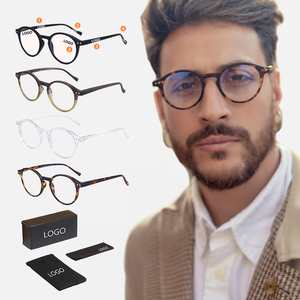
Engineered Tortoise Shell & Specialty Eyewear Lines
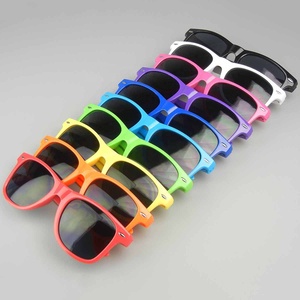
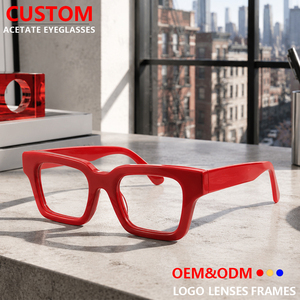
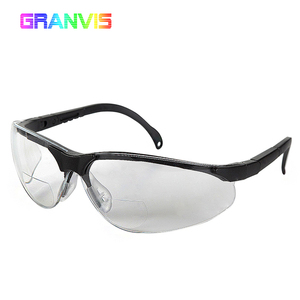
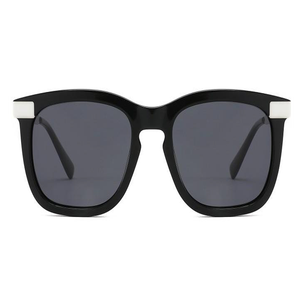
Explore high-yield silhouettes spanning vintage Havana tortoiseshell, architectural geometric profiles, ergonomic safety reading wear, and bespoke optical acetates.
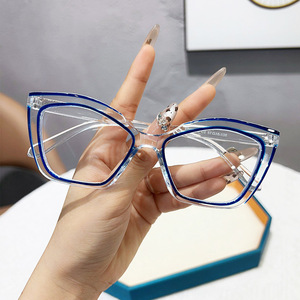
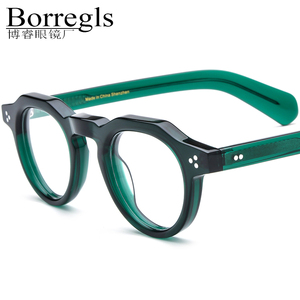
Technical Analysis: Engineering High-Density Cellulose Acetate Tortoise Shell Eyewear
Tortoise shell eyewear—historically crafted from the shell of the hawksbill sea turtle prior to CITES trade bans in the late 20th century—remains one of the most commercially resilient, visually complex product lines in the optical sector. Modern high-tier eyewear brands rely entirely on bio-based cellulose acetate (synthesized through the esterification of cotton linter flakes and wood pulp) to replicate the amber, honey, dark brown, and olive crystalline matrices of authentic natural tortoiseshell.
Technical Specification Note: True tortoiseshell patterns cannot be achieved through surface screen prints or cheap injection mold lacquers. Superior chromatic depth demands authentic block-lamination compounding and cured multi-layer sheeting, where hand-arranged pigment granules melt under controlled hydraulic heat to create deep, translucent marbling throughout the entire cross-section of the frame.
Why Depth of Color Determines Luxury Value
In lower-tier optical manufacturing, suppliers frequently spray a faux-tortoise finish onto petroleum-based polycarbonates. Over several months of human handling, dermal perspiration and natural face oils degrade the superficial resin, causing premature peeling and discoloration. Conversely, our manufacturing facility processes high-molecular-weight cellulose acetate sheets. Because the pattern permeates the entire material depth, subsequent edge profiling, chamfering, and manual wheel polishing expose organic variations of tone that never fade, crack, or flake over years of everyday use.
Milling Tolerances & Hinge Seat Integrity
A premium optical frame depends entirely on mechanical stability. Our manufacturing floor combines multi-axis high-speed CNC milling cutters running at 24,000 RPM with specialized micro-carbide drill bits. We cut the eye wire groove to standard optical boxing specs (e.g., 54 □ 18 – 145 mm) within an uncompromising tolerance band of ±0.05 mm. This precision guarantees that prescription lenses—whether high-index progressive blanks, high-cylinder astigmatism lenses, or polarized sunwear tints—seat securely into the bevel without stress birefringence or perimeter distortion.
Strategic Procurement & Sourcing Trends (2025–2030)
Industry-level market insights to guide global optical chain procurement directors and independent eyewear brands in optimizing their bill of materials (BOM).
🌿
Eco-Bio Acetate & Phthalate-Free Plasticizers
Regulatory frameworks (including EU REACH updates and Prop 65 enforcement) are accelerating the obsolescence of diethyl phthalate (DEP). Sourcing shifts toward certified biodegradable cellulose acetate formulated with bio-triethyl citrate, yielding cradle-to-grave biodegradability within 180 days under industrial compost conditions without sacrificing tensile frame strength.
📐
Oversized Geometric Slabs & 8mm Faceting
Consumer runway demand has departed from slender 4mm wire rims in favor of bold, sculptural 8mm to 10mm slab acetate fronts. Achieving structural balance without excessive nose ridge weight requires internal hollow chamfering, weight-relief bevels, and integrated ergonomic silicone or titanium core wire distribution engineered during technical CAD staging.
⚙️
Embedded Hingeless & 7-Barrel Custom Joints
High-end boutique collections increasingly abandon generic 3-barrel stamped hinges. Procurement directives focus on rivet-fixed 5-barrel and 7-barrel German engineered OBIS hinges or custom wire cores laser-etched with brand emblems, securing long-term temple tension through repeated laboratory open-close testing exceeding 20,000 continuous cycles.
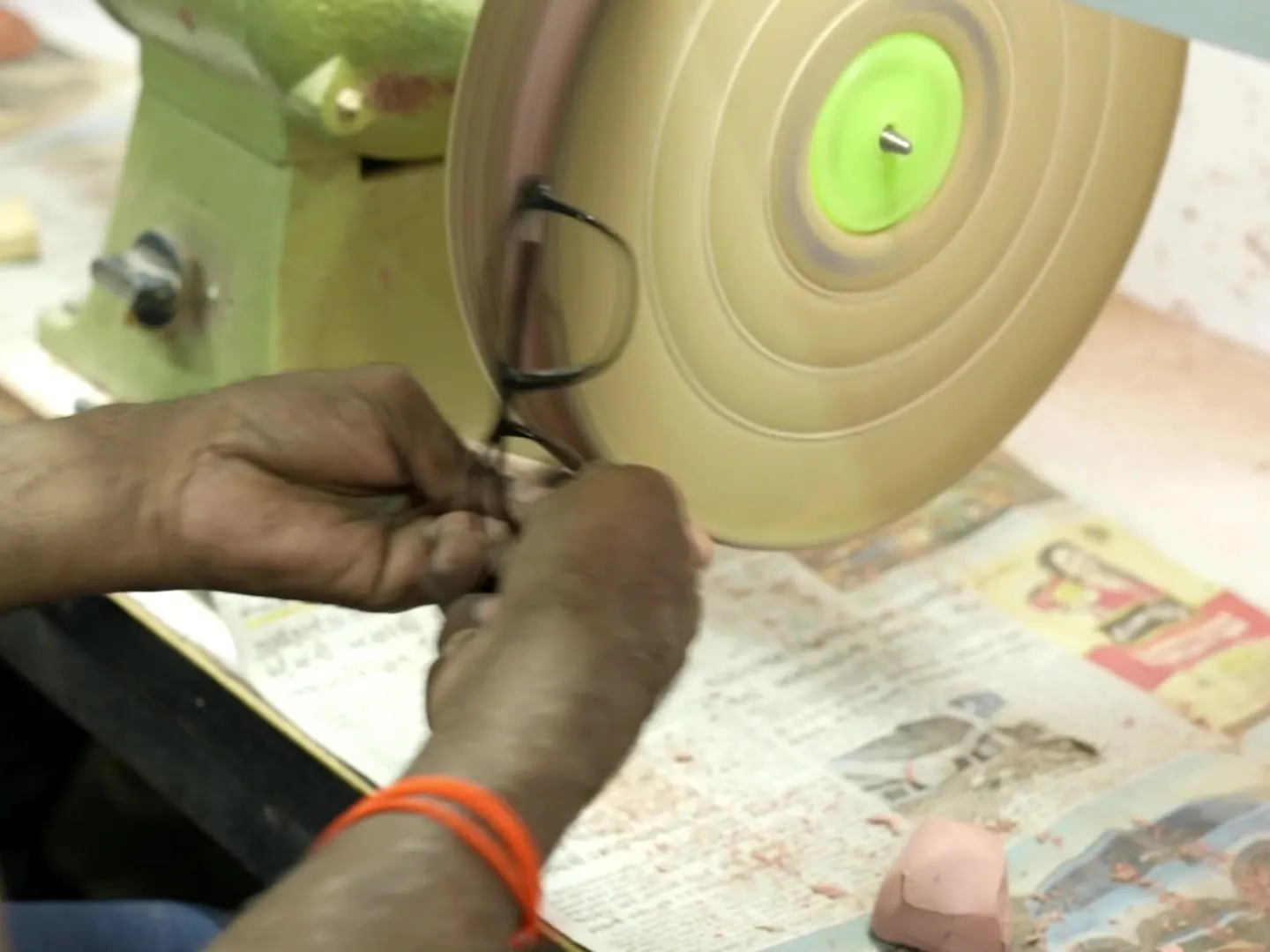
Craft Meets Automation
Over 72 hours of beechwood barrel tumbling & hand buffing
Why Tier-1 Importers Consolidate Orders with Our Facilities
Founded on four decades of dedicated optical material synthesis, our enterprise eliminates the friction typically encountered in cross-border OEM/ODM supply chains. We operate a fully integrated industrial model: from raw sheet curing and 5-axis CNC routing to multi-stage barrel polishing, hot-wire temple core insertion, and laser serialization.
- Zero Surface Spray Compromise: 100% layered block-color sheet extrusion prevents pattern peeling and skin-contact degradation.
- Master Tumbling Protocols: Frames undergo a 4-phase tumbling regime lasting up to 72 continuous hours using selected Italian birch and pumice aggregates.
- Low Risk Sampling Gate: High-precision rapid prototyped pre-production samples delivered in 10-14 days before tooling deployment.
- Comprehensive Global Compliance: Compliant with CE EN ISO 12870, ANSI Z80.3, FDA Registration, and drop-ball shatter resistance testing.
Frequently Asked Questions: Global Sourcing & Manufacturing
Direct technical answers addressing minimum production runs, material tolerances, optical sizing, and private label execution.
What is the core distinction between OEM, ODM, and Private Label production runs?
+
OEM (Original Equipment Manufacturing): You provide CAD files, technical drawings, or physical reference samples; our engineers generate the tooling, tooling fixtures, and machine files for exclusive production under your brand.
ODM (Original Design Manufacturing): You choose our battle-tested baseline geometries (such as our Clarish™ chassis) and customize the acetate coloration, wire core details, and temple tips.
Private Label: You select existing in-production models and apply custom pad-printed or laser-engraved logos, serialized temple boxing markings, and bespoke retail packaging.
How does boxing size notation (e.g., 55 □ 19 – 145 mm) impact regional fit?
+
The international boxing system defines lens diameter (55mm), distance between lenses/bridge width (19mm), and temple length (145mm). Western fit models typically utilize narrower bridges (16-18mm) with deep lens profiles, whereas Asian-fit/Universal-fit variations incorporate built-up, hand-cemented acetate nose pads and broader bridge geometries (19-21mm) to prevent cheek contact and temple pinching.
What is the typical Minimum Order Quantity (MOQ) and production turnaround?
+
For standard catalog acetate colors in our continuous rotation, baseline MOQs start as low as 300 to 500 pieces per SKU (split across 2 to 3 tortoiseshell shades). For custom-extruded, proprietary colorways from specialized sheet suppliers, batch minimums generally require 1,200 pieces. Turnaround for custom tooling samples ranges from 12 to 18 days, with full-scale production completing in 45 to 60 days.
How do you prevent warping in thick acetate frames during transit?
+
Cellulose acetate retains residual internal stresses after raw cutting. Our manufacturing process mandates an intermediate thermal annealing stage: cut frame fronts and temples are held in climate-controlled curing chambers at 50°C to 55°C for 24 to 48 hours. This stabilizes the molecular structure, preventing post-packaging bridge warping during ocean shipping and varying warehouse ambient temperatures.
Can your facility deliver retail-ready turnkey packaging under confidentiality agreements (NDA)?
+
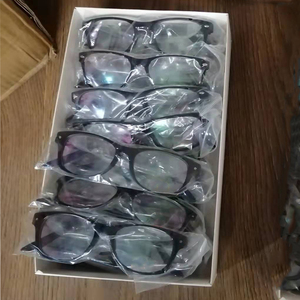
Yes. Over 85% of our international output is manufactured under strict Non-Disclosure Agreements for optical boutiques, department chains, and e-commerce labels. We coordinate full retail kits: hot-stamped leatherette cases, microfiber cleaning cloths with digital transfer artwork, barcoded rigid gift boxes, and anti-counterfeit QR code certification inserts.
Initiate Your Eyewear Development Programme
Consult with our lead engineering team to review 2D drawings, request acetate sample ring swatches, or configure an exclusive private label production run.